Design Insight Group
Where technologists and communities work together to explore and build new solutions for New Yorkers
150 Court St Brooklyn, NY 11201

To make this work financially and sustainably, designers are utilizing a variety of for-profit and nonprofit business models.
This thesis is an investigation into sustainable business models and the different evaluation methods utilized in social innovation design. Over the last twenty years, there has been an increase in awareness and desire within the design industry to utilize design as a way to help solve some of the large, systemic social problems facing people all over the world. To make this work financially and sustainably, designers are utilizing a variety of for-profit and nonprofit business models. However, these business models are potentially hindering social innovation designers' access to the resources needed to measure the impact of their work. Social innovation designers are co-designing and developing services, programs, systems, and products with nonprofits and communities that are dealing with these social problems. Social change work of this nature requires designers and their partners to be engaged in measuring the long-term impact of their work in order to truly make lasting change. This has led social innovation designers to turn to evaluation methods used in the parallel fields of social work, community organizing, education, and public health, in order to track the impacts of their work. These evaluation methods also play a key role in helping social innovation designers better communicate the value they bring to their clients and partners. By utilizing and integrating these evaluation methods into their design processes, social innovation designers are leading the way for this field to gain broader acceptance and support.
Jordan A. G. Kauffman
Where technologists and communities work together to explore and build new solutions for New Yorkers
A free seven-week online training programme teaching innovative techniques from the digital world to enhance work and problem-solving abilities.

Studios are nodes of community, design education, and localized impact within university campuses across the U.S.
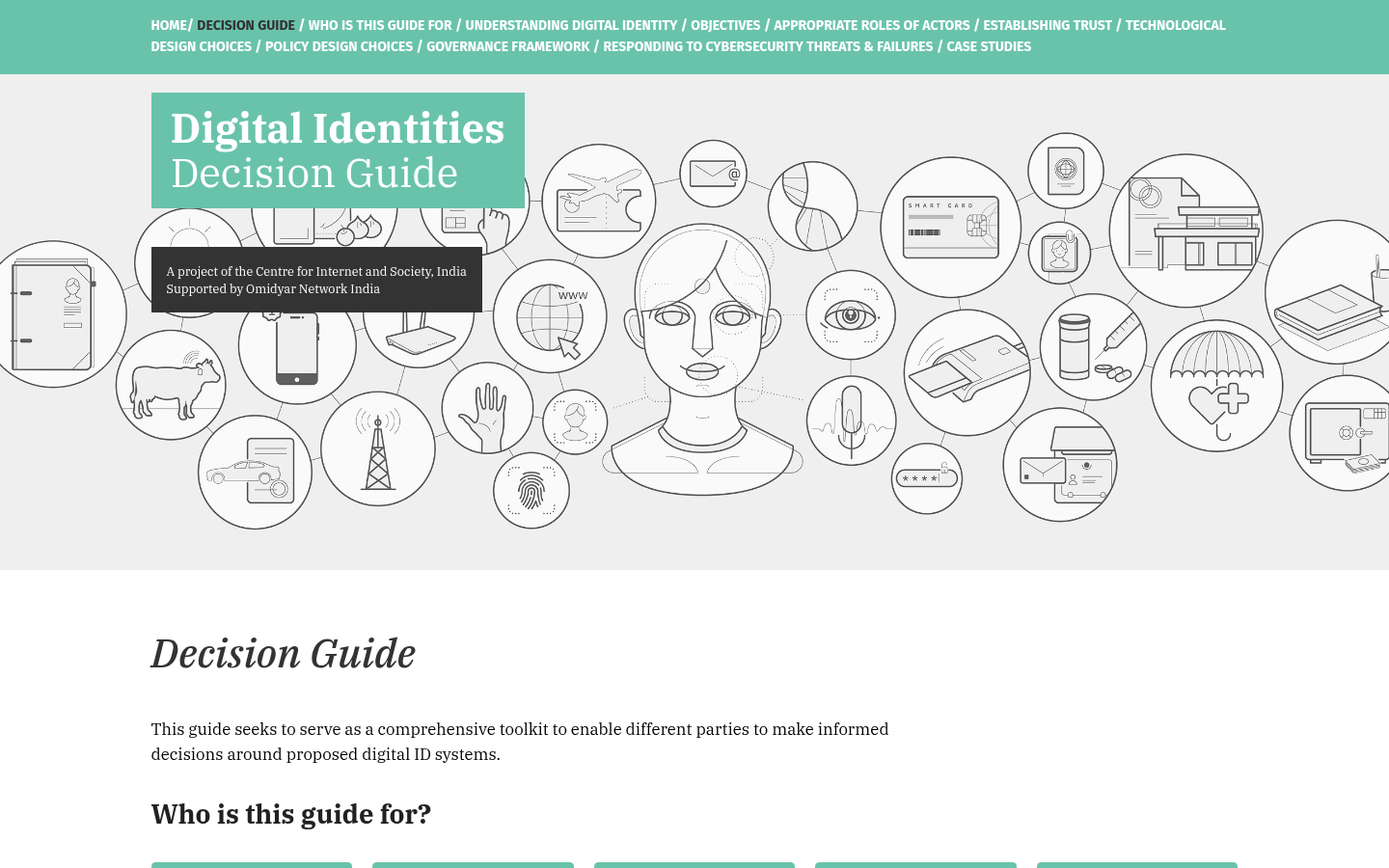
This guide seeks to serve as a comprehensive toolkit to enable different parties to make informed decisions around proposed digital ID systems.
