“Seeing” Neighborhoods through “Big” Data
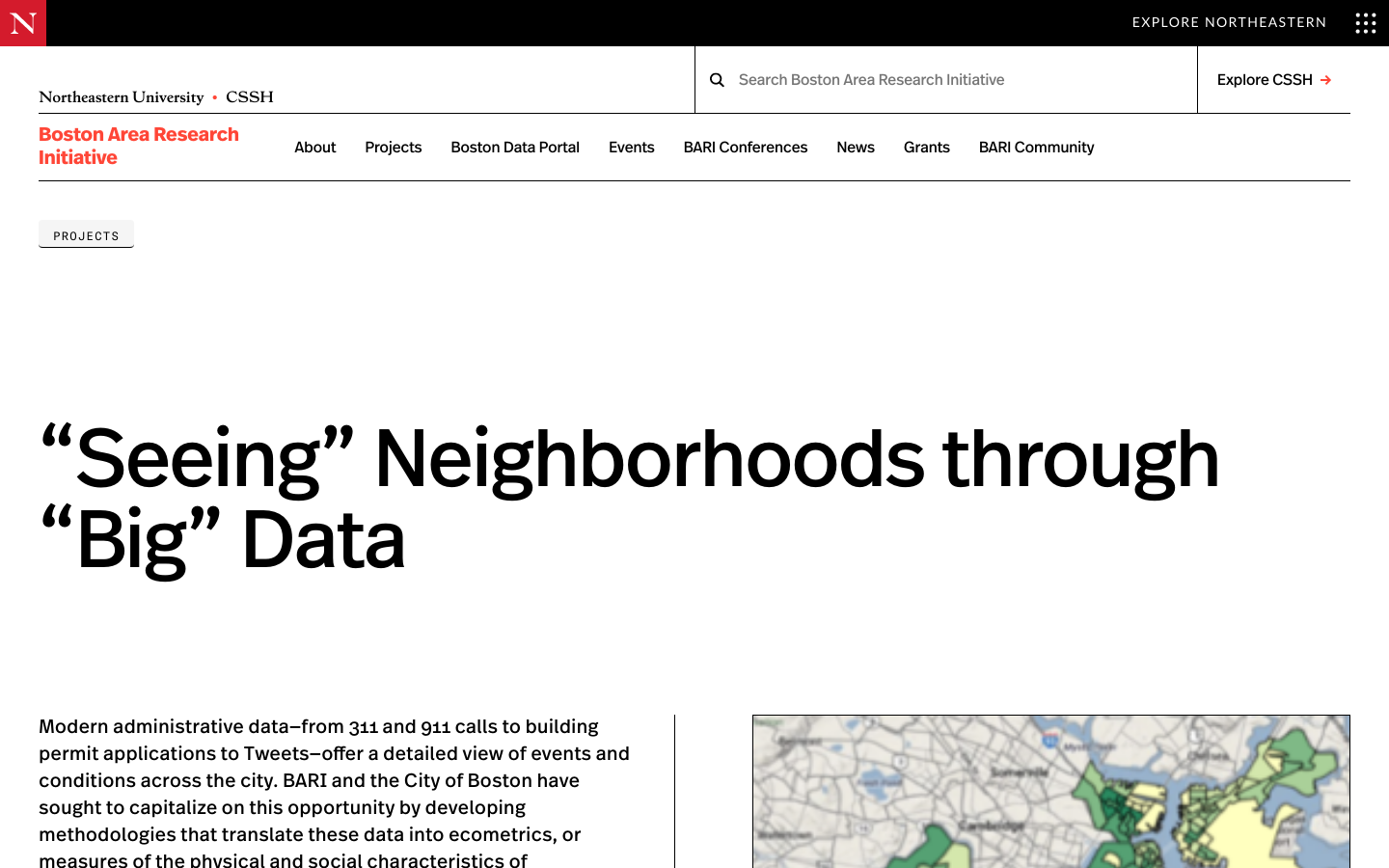
Modern administrative data—from 311 and 911 calls to building permit applications to Tweets—offer a detailed view of events and conditions across the city.
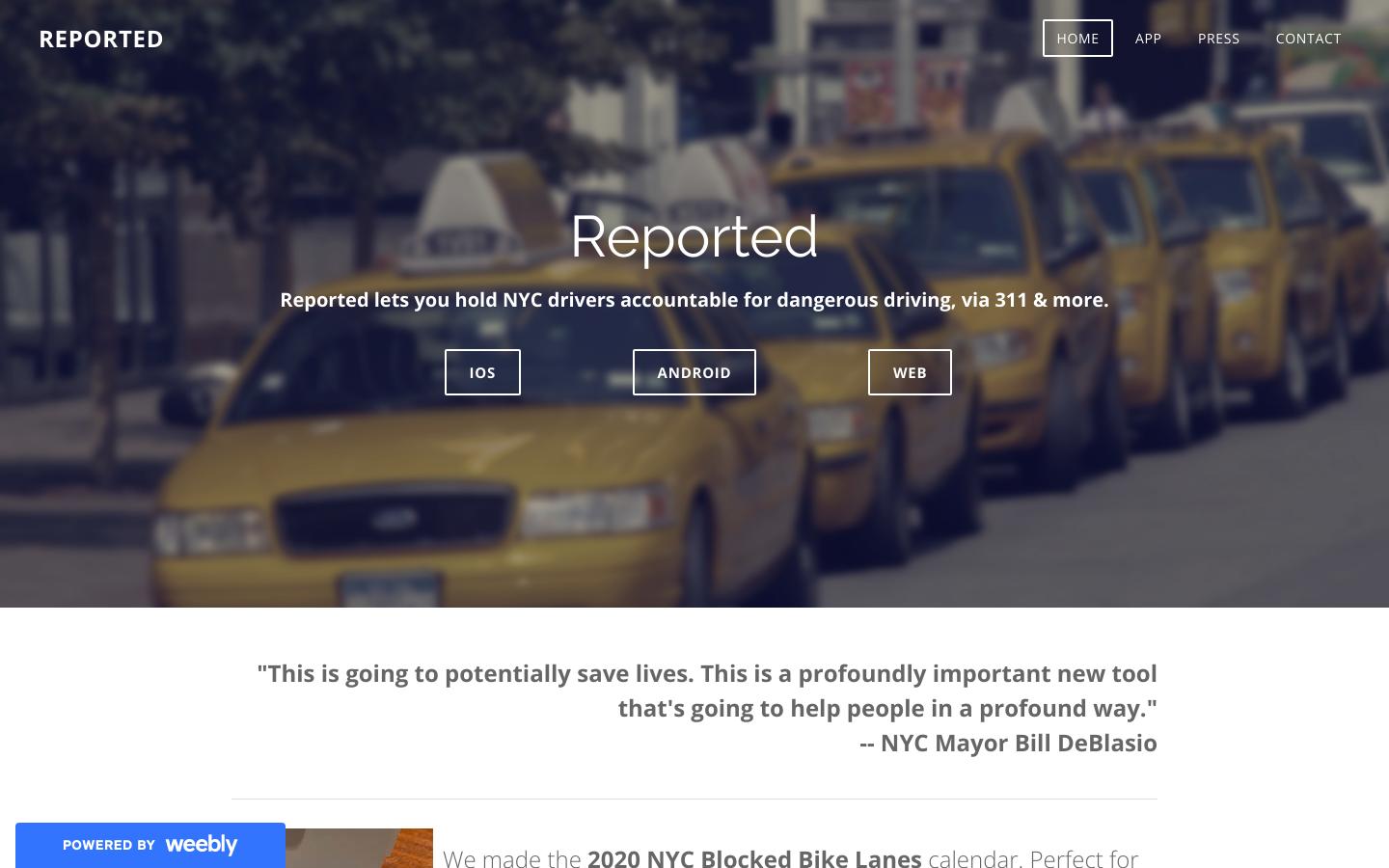
Reported lets you submit feedback about NYC taxis in 30 seconds. Reported submits this feedback directly to NYC's 311 system and the NYC Taxi and Limousine Commission.
Reported has evolved into an easy-to-use collection point for New Yorkers who spot and submit evidence of TLC, commercial, and private vehicles blocking bike and bus lanes. It takes less than a minute to submit a report, making it far quicker than direct 311, and the app keeps each user informed of its status, including the outcome of any TLC court hearings. The app empowers, as Novich puts it, the most vulnerable road users to hold drivers accountable for dangerous behavior.
In 2018, over 4,500 complaints were filed on Reported, which generated approximately $380,000 in revenue for the TLC as the result of fines imposed on drivers. According to Novich, complaints submitted through Reported represent 15 percent of all 311 complaints filed to TLC last year. (Source) — 2019-7


Modern administrative data—from 311 and 911 calls to building permit applications to Tweets—offer a detailed view of events and conditions across the city.

BARI has worked closely with the Mayor’s Office of New urban Mechanics and the 311 system examine how Bostonians contribute to the maintenance of the public spaces and infrastructure of neighborhoods—that is, custodianship in the urban commons.

Bonayo is free user-supported software that helps San Francisco citizens see every 311 call in the City.
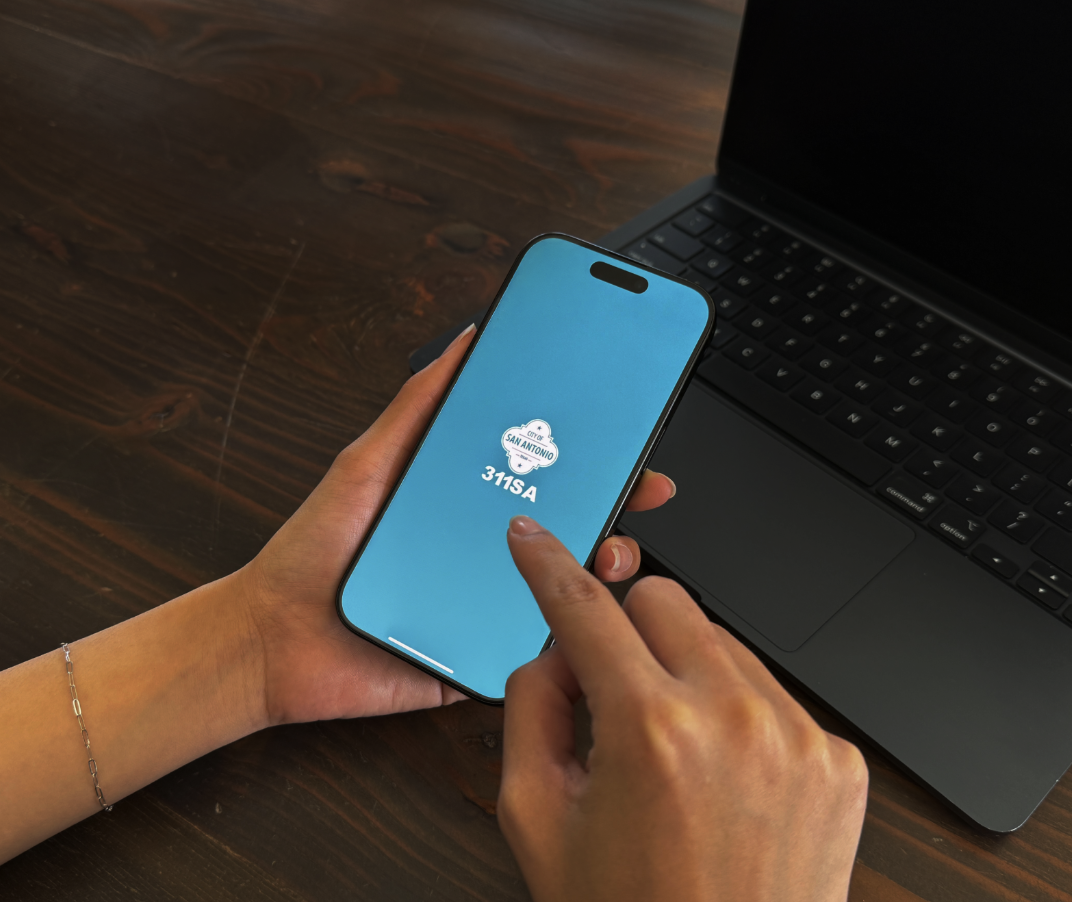
The Better Futures Institute, in collaboration with San Antonio's 311 department, empowers the city's 1.5 million residents via the 311SA mobile app.