World Smart City Awards
The World Smart City Awards seek to recognize pioneering projects, ideas and strategies that promote sustainable urban development around the globe.
Barcelona, Spain
2011
city, Sustainable cities and communities

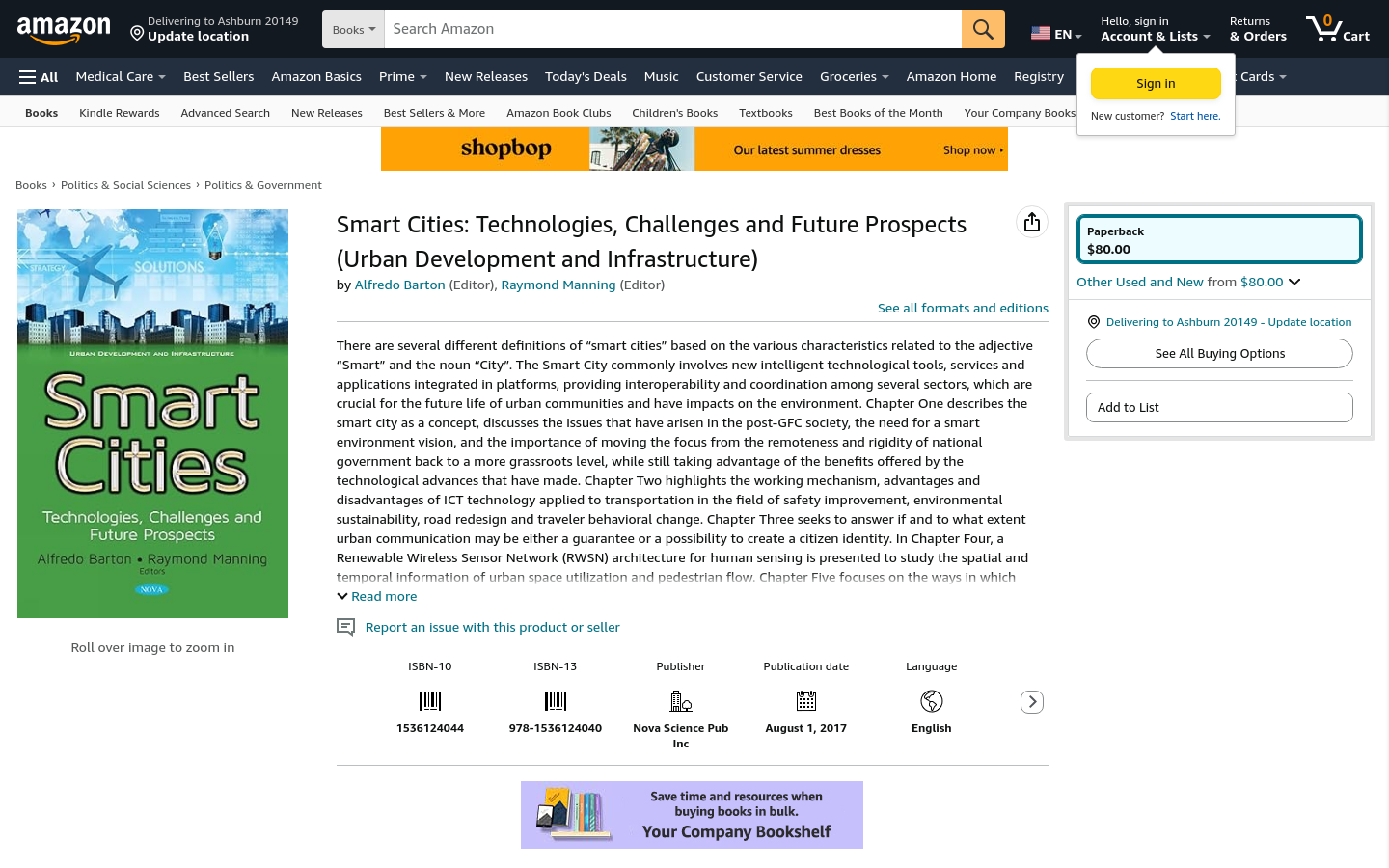
There are several different definitions of smart cities based on the various characteristics related to the adjective Smart and the noun City.
There are several different definitions of smart cities based on the various characteristics related to the adjective Smart and the noun City. The Smart City commonly involves new intelligent technological tools, services and applications integrated in platforms, providing interoperability and coordination among several sectors, which are crucial for the future life of urban communities and have impacts on the environment. Chapter One describes the smart city as a concept, discusses the issues that have arisen in the post-GFC society, the need for a smart environment vision, and the importance of moving the focus from the remoteness and rigidity of national government back to a more grassroots level, while still taking advantage of the benefits offered by the technological advances that have made. Chapter Two highlights the working mechanism, advantages and disadvantages of ICT technology applied to transportation in the field of safety improvement, environmental sustainability, road redesign and traveller behavioural change. Chapter Three seeks to answer if and to what extent urban communication may be either a guarantee or a possibility to create a citizen identity. In Chapter Four, a Renewable Wireless Sensor Network (RWSN) architecture for human sensing is presented to study the spatial and temporal information of urban space utilization and pedestrian flow. Chapter Five focuses on the ways in which specific key concepts, such as those of data collection, syntax and affordance, present a dynamic intervention tool, leading to an instrumental and performative construction of a smarter city.
Alfredo Barton, Raymond Manning
The World Smart City Awards seek to recognize pioneering projects, ideas and strategies that promote sustainable urban development around the globe.

APPLYING THE BLOOMBERG PHILANTHROPIES APPROACH TO DRIVE INNOVATION IN CITIES
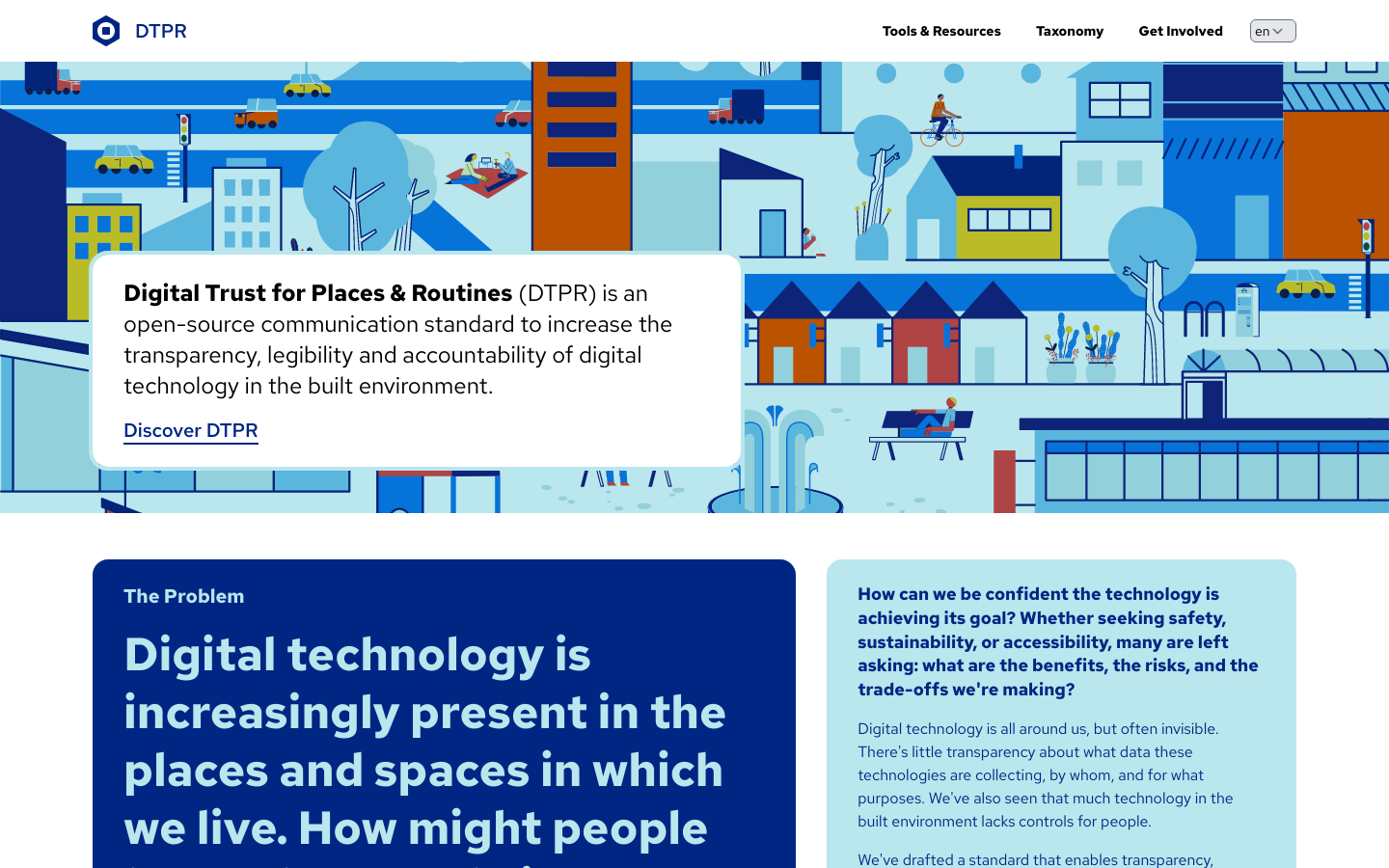
Digital Trust for Places & Routines (DTPR) is an open-source communication standard to increase the transparency, legibility and accountability of digital technology in the built environment.
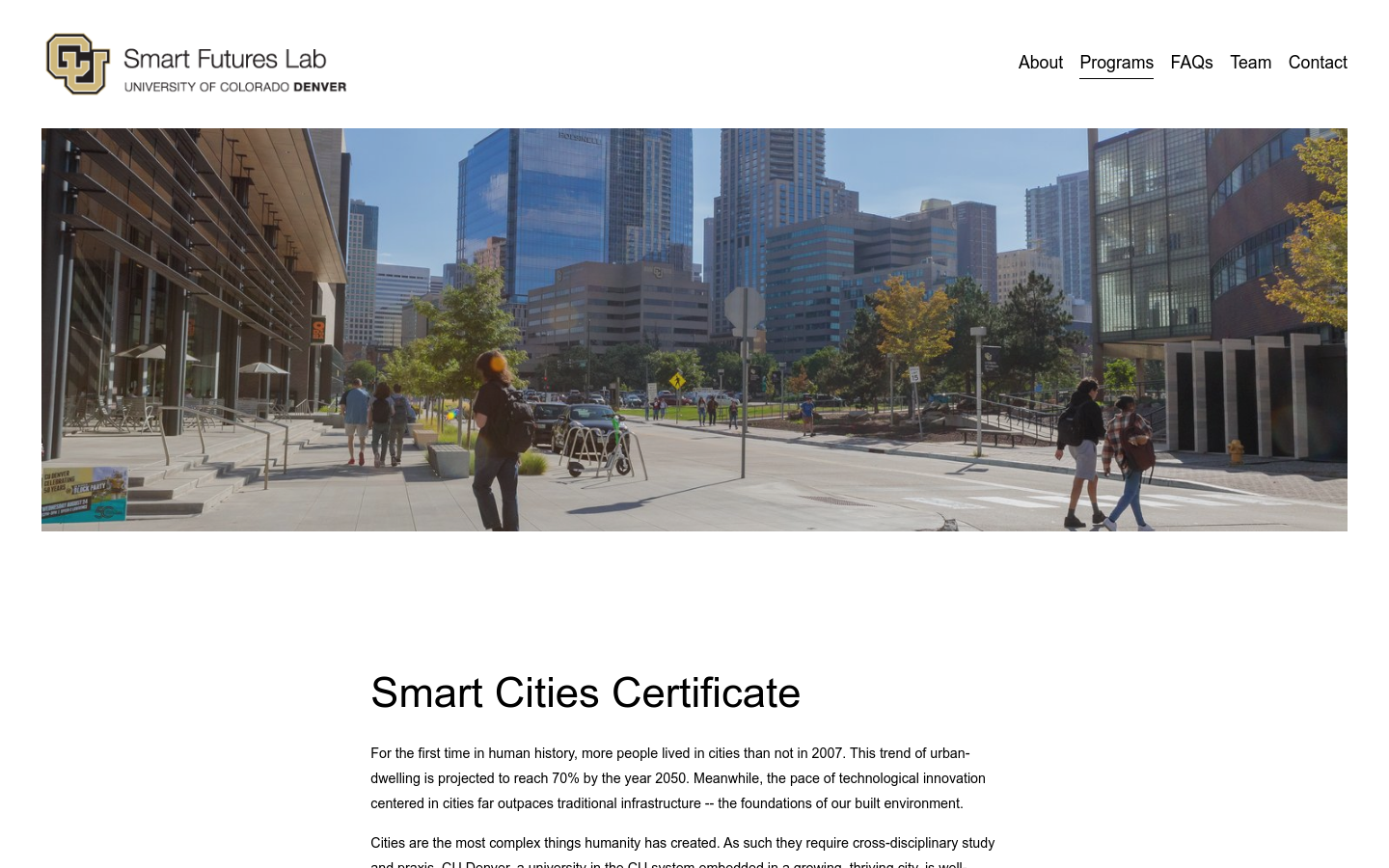
The certificate in Smart Cities is an interdisciplinary program designed for working or aspiring professionals and upper-level students interested in expanding their knowledge-base in the fields of emerging urban technologies, data science, sustainable design, and public-private partnerships.