World Smart City Awards
The World Smart City Awards seek to recognize pioneering projects, ideas and strategies that promote sustainable urban development around the globe.
Barcelona, Spain
2011
city, Sustainable cities and communities

This book uses a combination of descriptive statistical analysis and real-world case study narratives to evaluate the ways in which each individual urban variable or their combination matter in the diversity of smart city approaches around ...
Global Trends of Smart Cities provides integrated analysis of 135 cities that participated in the IBM’s Smarter Cities Challenge in 2010–2017. It establishes evidence-based benchmarking of city geographies, city sizes, governance structures, and local planning contexts in smart cities. This book uses a combination of descriptive statistical analysis and real-world case study narratives to evaluate the ways in which each individual urban variable or their combination matter in the diversity of smart city approaches around the globe. It is acknowledged that the Smarter Cities Challenge offers a particular set of smart initiatives and is not representative of all smart cities around the world. Nevertheless, the global presence of the Challenge across five continents and its involvement with 135 cities of all size and socioeconomic status provides a solid foundation to conduct comparative research on smart cities. Considering limited comparative research available in the smart city debate, this book makes significant contribution in understanding the state of smart city development in urban governments worldwide. Offers an integrated assessment of smart cities using a combination of statistical analysis and real-world case study narrations Compares smart city interventions from the 135 cities that participated in the Smarter Cities Challenge with detailed case study narrations included for 17 cities Demonstrates the ways in which geography, size, governance, and local planning context—each individually and in combination with each other—influence smart city development around the globe Develops an urban research perspective to the smart city discourse otherwise dominated by digital and IT specialists, engineers, and business experts Identifies the North–South divide as the most influential factor explaining how smart urbanism is framed worldwide and argues that the future of smart city development depends on how "smart" approaches the ongoing and increasing level of inequity and inequality not only within our cities but also at the transregional and transnational levels
Tooran Alizadeh
The World Smart City Awards seek to recognize pioneering projects, ideas and strategies that promote sustainable urban development around the globe.

APPLYING THE BLOOMBERG PHILANTHROPIES APPROACH TO DRIVE INNOVATION IN CITIES
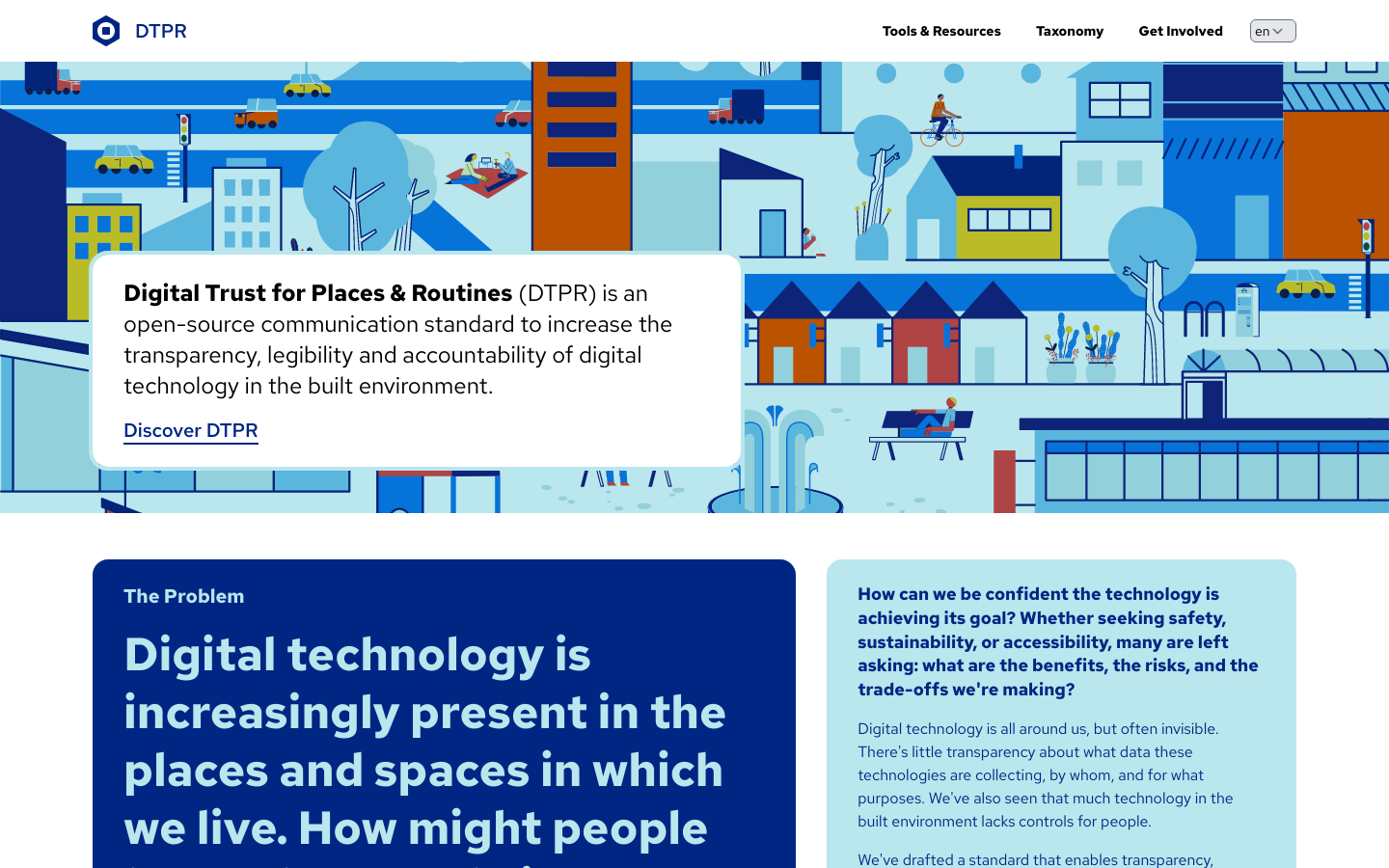
Digital Trust for Places & Routines (DTPR) is an open-source communication standard to increase the transparency, legibility and accountability of digital technology in the built environment.
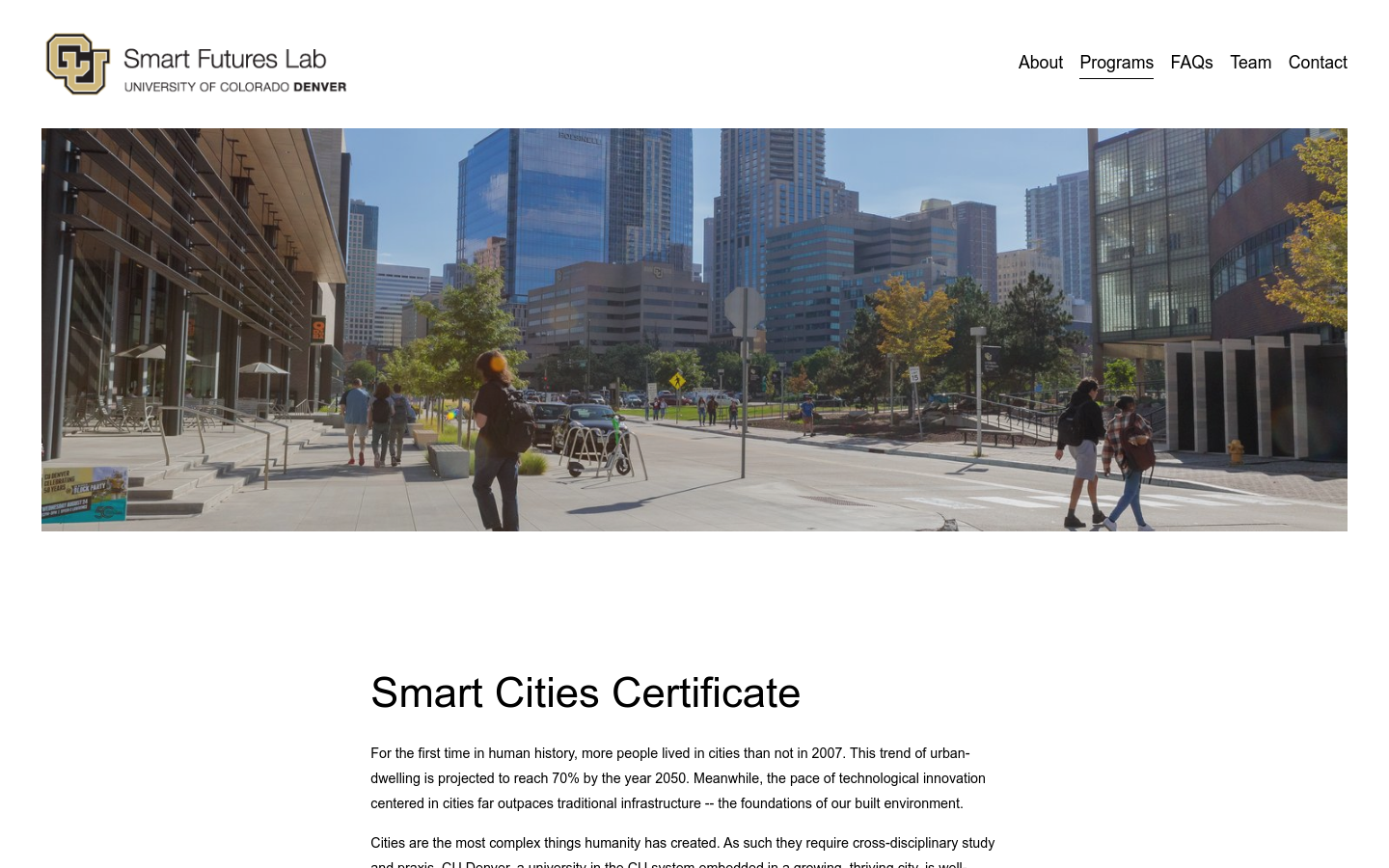
The certificate in Smart Cities is an interdisciplinary program designed for working or aspiring professionals and upper-level students interested in expanding their knowledge-base in the fields of emerging urban technologies, data science, sustainable design, and public-private partnerships.