

Governance of Emerging Technology and Tech Innovations for Next-Gen Governance (GETTING-Plurality)
A multi-disciplinary research network linking philosophers, social scientists, computer scientists, legal scholars, and technologists.
A team of researchers led by Dominik Hangartner, IPL co-director and professor of public policy at ETH Zurich, has joined forces with colleagues at the University of Zurich to investigate what kind of messages could lead authors of hate speech to refrain from such postings in the future
Using machine learning methods, the researchers identified 1,350 English-speaking Twitter users who had published racist or xenophobic content. They randomly assigned these accounts to a control group or one of following three counterspeech strategies: messages that elicit empathy with the group targeted by racism; humor; or a warning of possible consequences. The results were clear: Only counterspeech messages that elicit empathy with the people affected by hate speech are likely to persuade the senders to change their behavior. An example of such a response could be: “Your post is very painful for Jewish people to read…” Compared to the control group, the authors of hateful tweets posted around one-third fewer racist or xenophobic comments after such an empathy-inducing intervention. Additionally, the probability that a hate tweet was deleted by its author increased significantly. In contrast, the authors of hate tweets barely reacted to humorous counterspeech. Reminding senders that their family, friends and colleagues could see their hateful comments was not effective, either. This is striking because these two strategies are frequently used by organizations that are committed to combatting hate speech.

A multi-disciplinary research network linking philosophers, social scientists, computer scientists, legal scholars, and technologists.
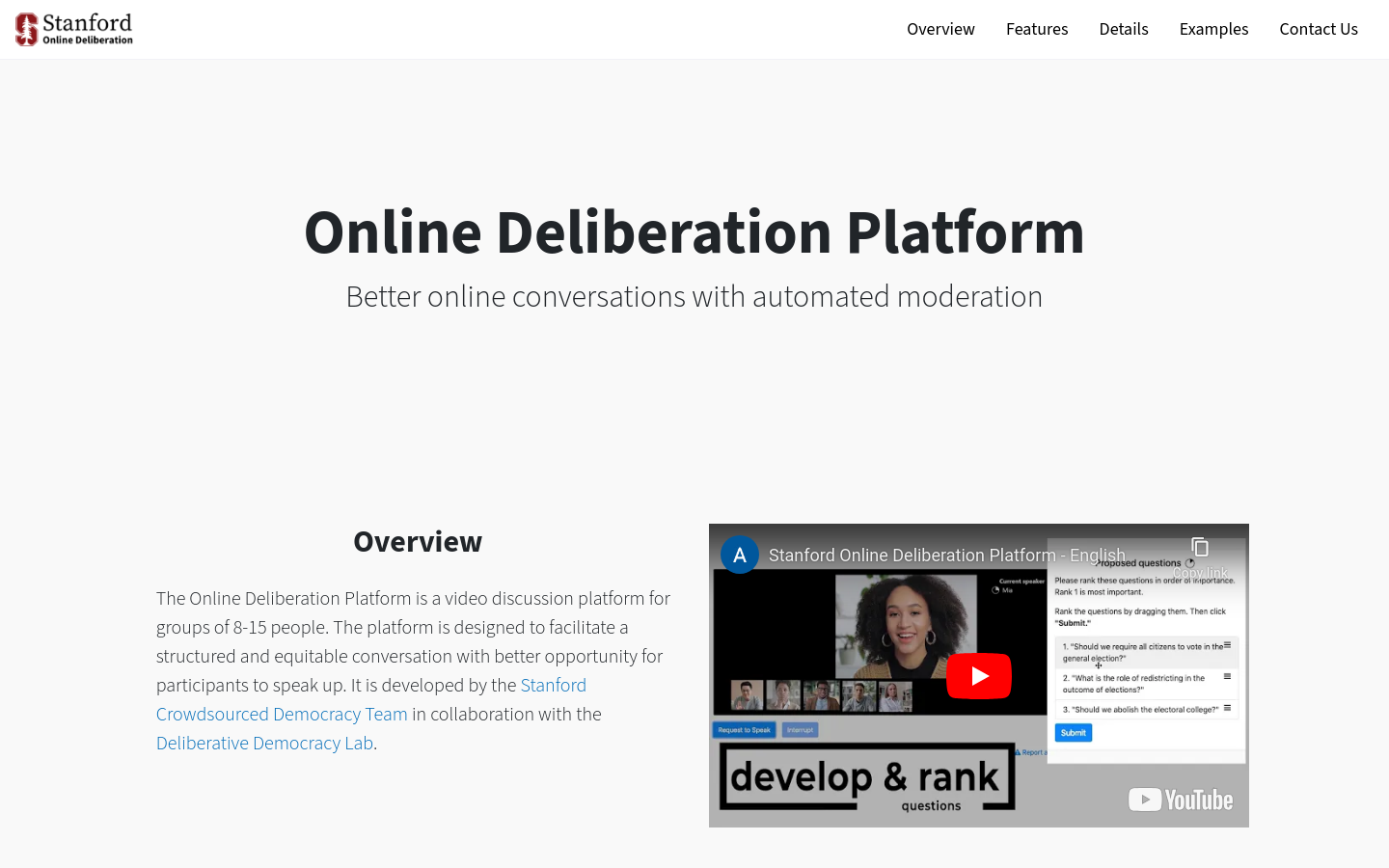
The Online Deliberation Platform is a video discussion platform for groups of 8-15 people.

The Journal of Deliberative Democracy (formerly the Journal of Public Deliberation) is an open access journal publishing articles that shape the course of scholarship on deliberative democracy.

We aim to reframe the conversation about technology and labor towards issues of power, inequality, and social justice, and incorporate themes of feminism, anti-racism, and transnationalism.

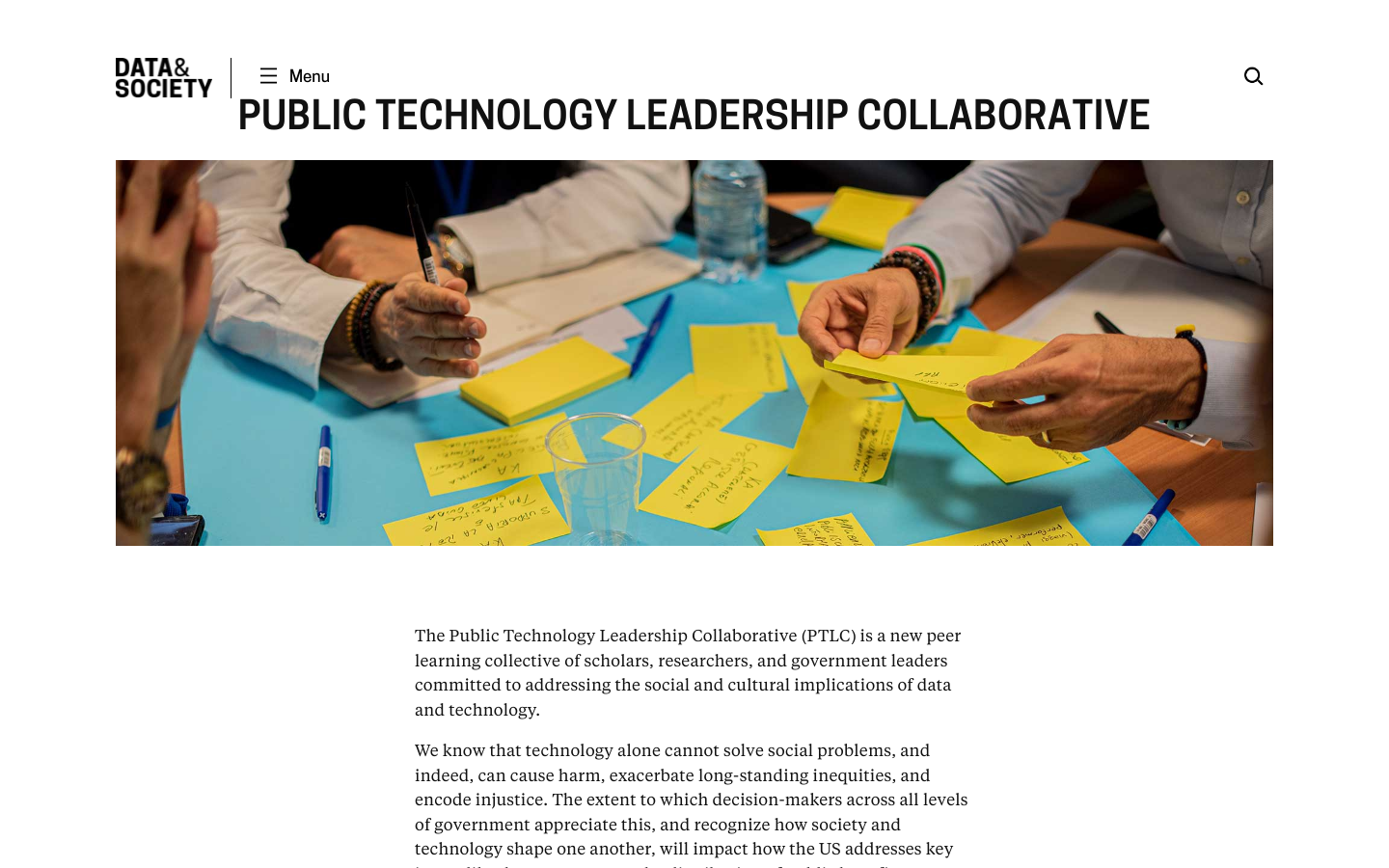
The Public Technology Leadership Collaborative (PTLC) is a new peer learning collective of scholars, researchers, and government leaders committed to addressing the social and cultural implications of data and technology.