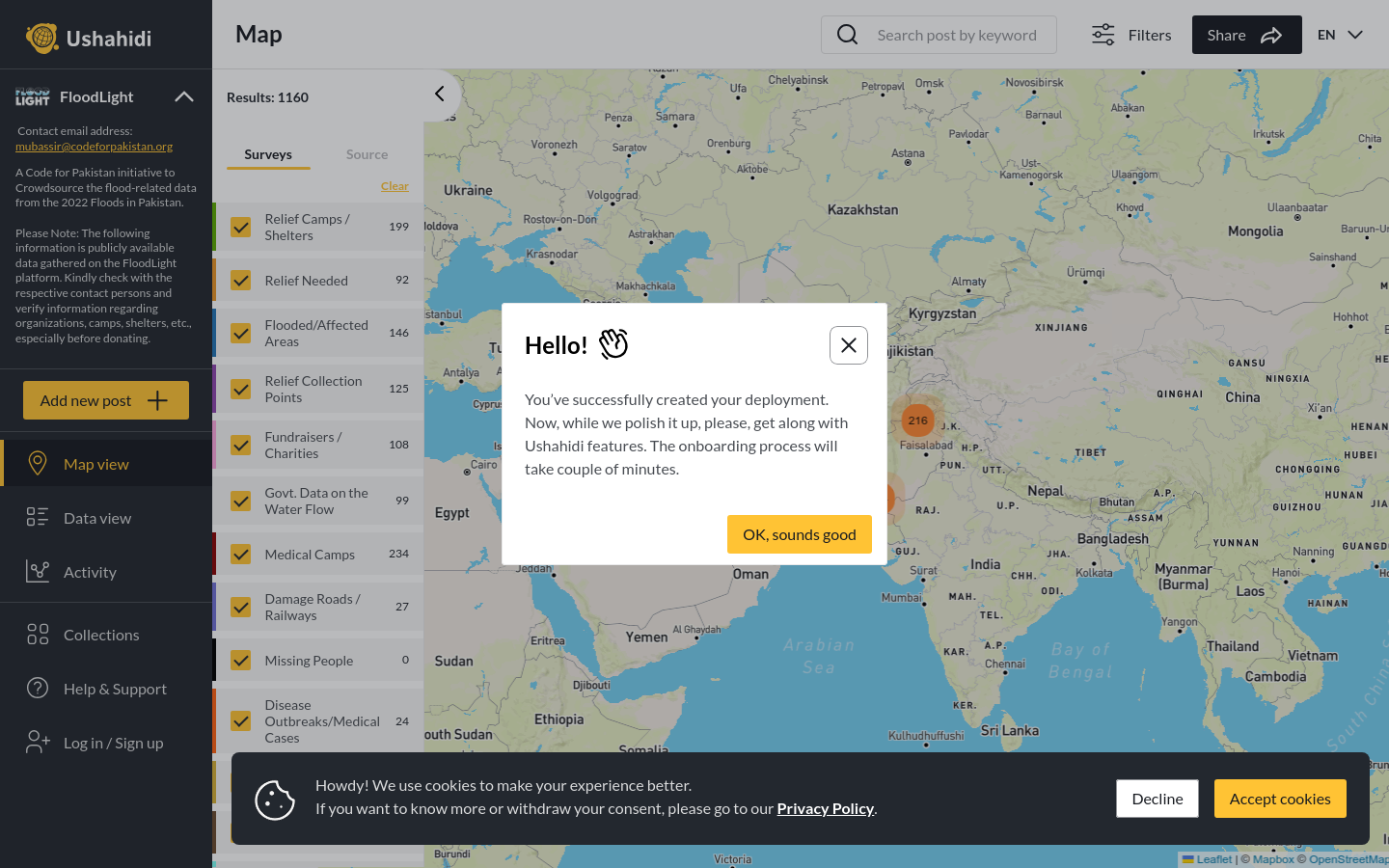
FloodLight
A Code for Pakistan initiative to Crowdsource the flood-related data from the 2022 Floods in Pakistan.
Pakistan
2022
floods

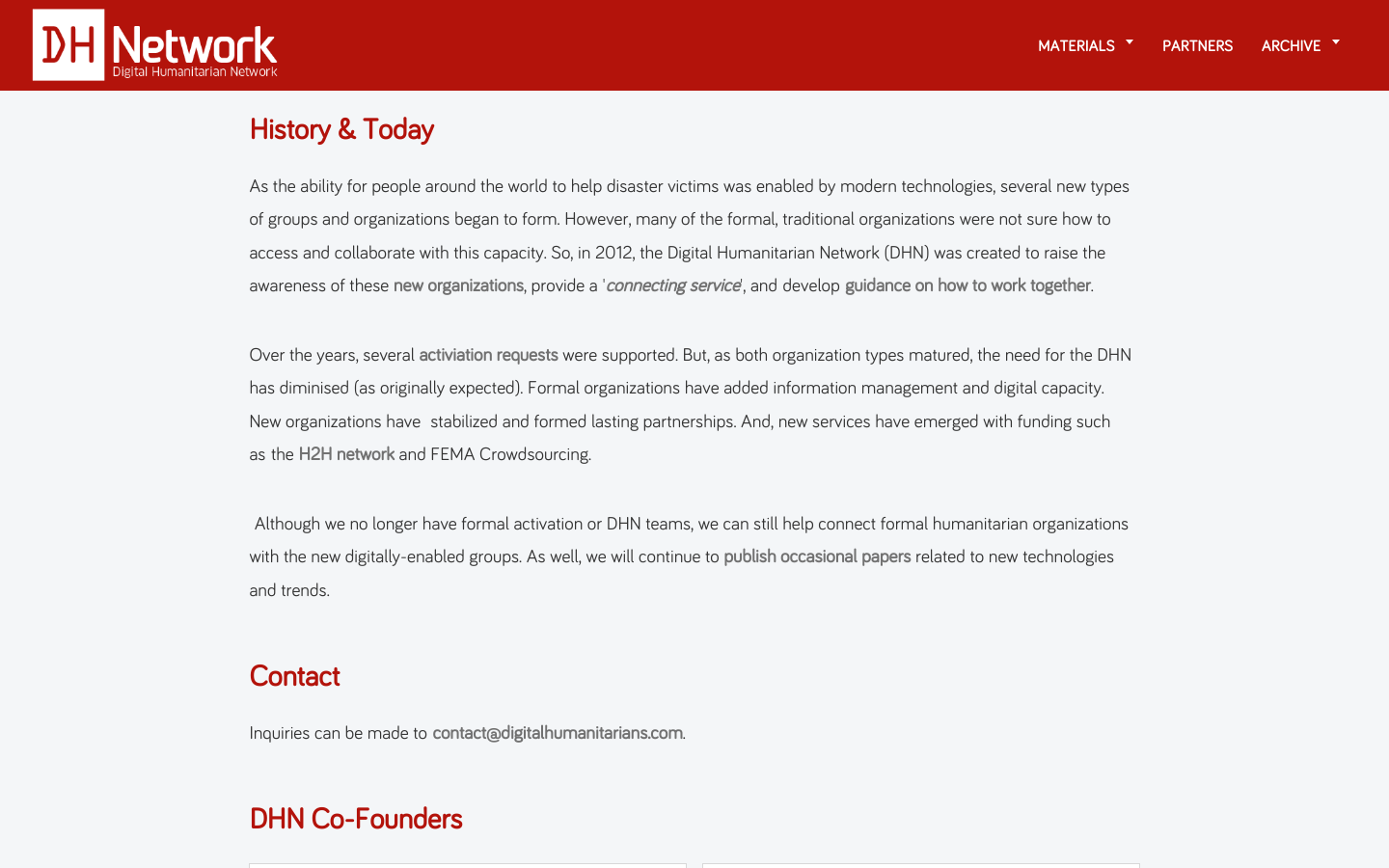
Outfit that organized digital volunteer deployments around humanitarian crises. No longer active in this regard, but still publishing reports.
However, many of the formal, traditional organizations were not sure how to access and collaborate with this capacity. So, in 2012, the Digital Humanitarian Network (DHN) was created to raise the awareness of these new organizations, provide a 'connecting service', and develop guidance on how to work together. Over the years, several activiation requests were supported. But, as both organization types matured, the need for the DHN has diminised (as originally expected). Formal organizations have added information management and digital capacity. New organizations have stabilized and formed lasting partnerships. And, new services have emerged with funding such as the H2H network and FEMA Crowdsourcing. As the ability for people around the world to help disaster victims was enabled by modern technologies, several new types of groups and organizations began to form. Although we no longer have formal activation or DHN teams, we can still help connect formal humanitarian organizations with the new digitally-enabled groups. As well, we will continue to publish occasional papers related to new technologies and trends.
Project(s): Where Technology Meets Ethics: The Humanitarian Principles and Their Problematic Relationship to Technology
A Code for Pakistan initiative to Crowdsource the flood-related data from the 2022 Floods in Pakistan.
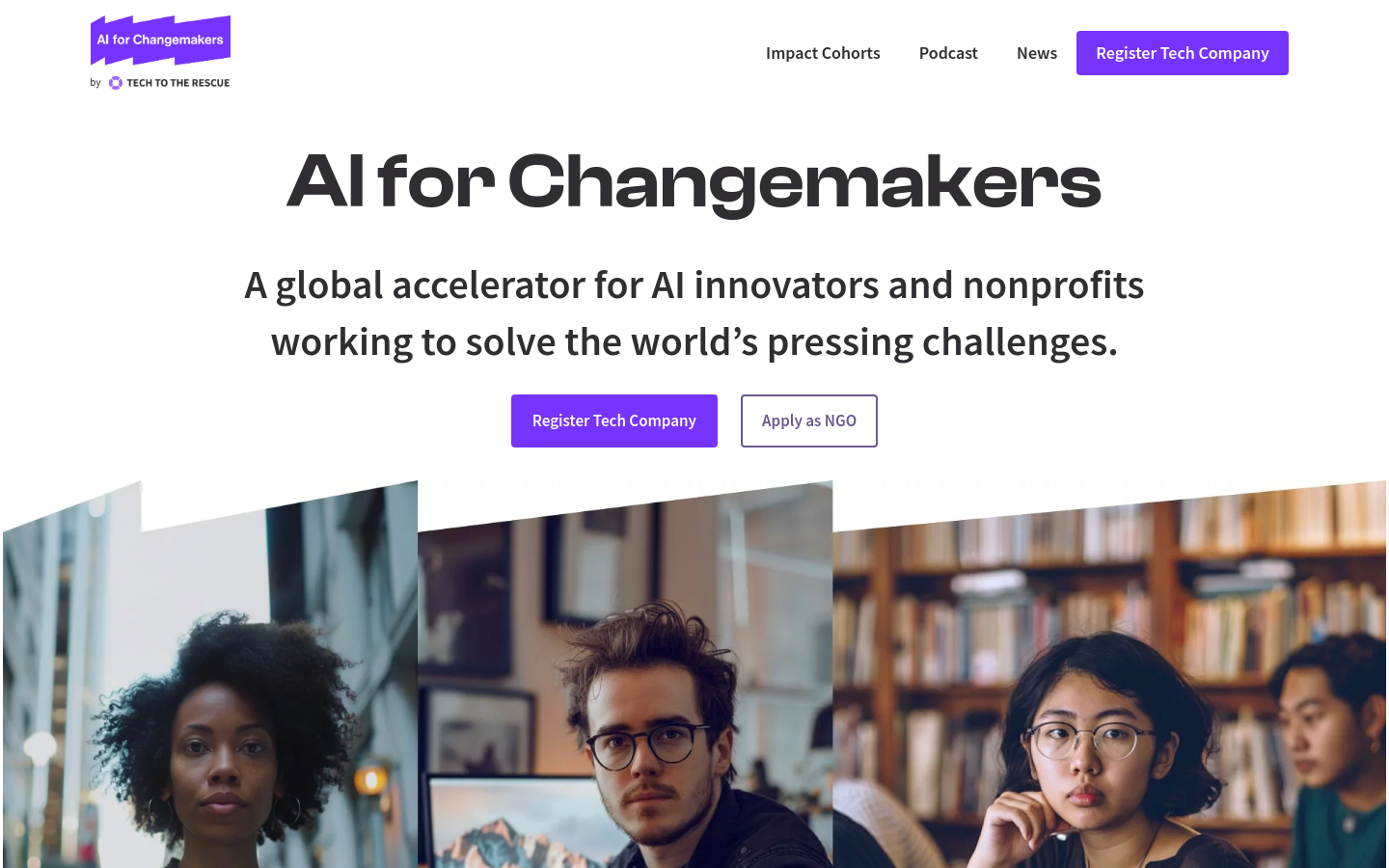
A global accelerator for AI innovators and nonprofits working to solve the world’s pressing challenges.
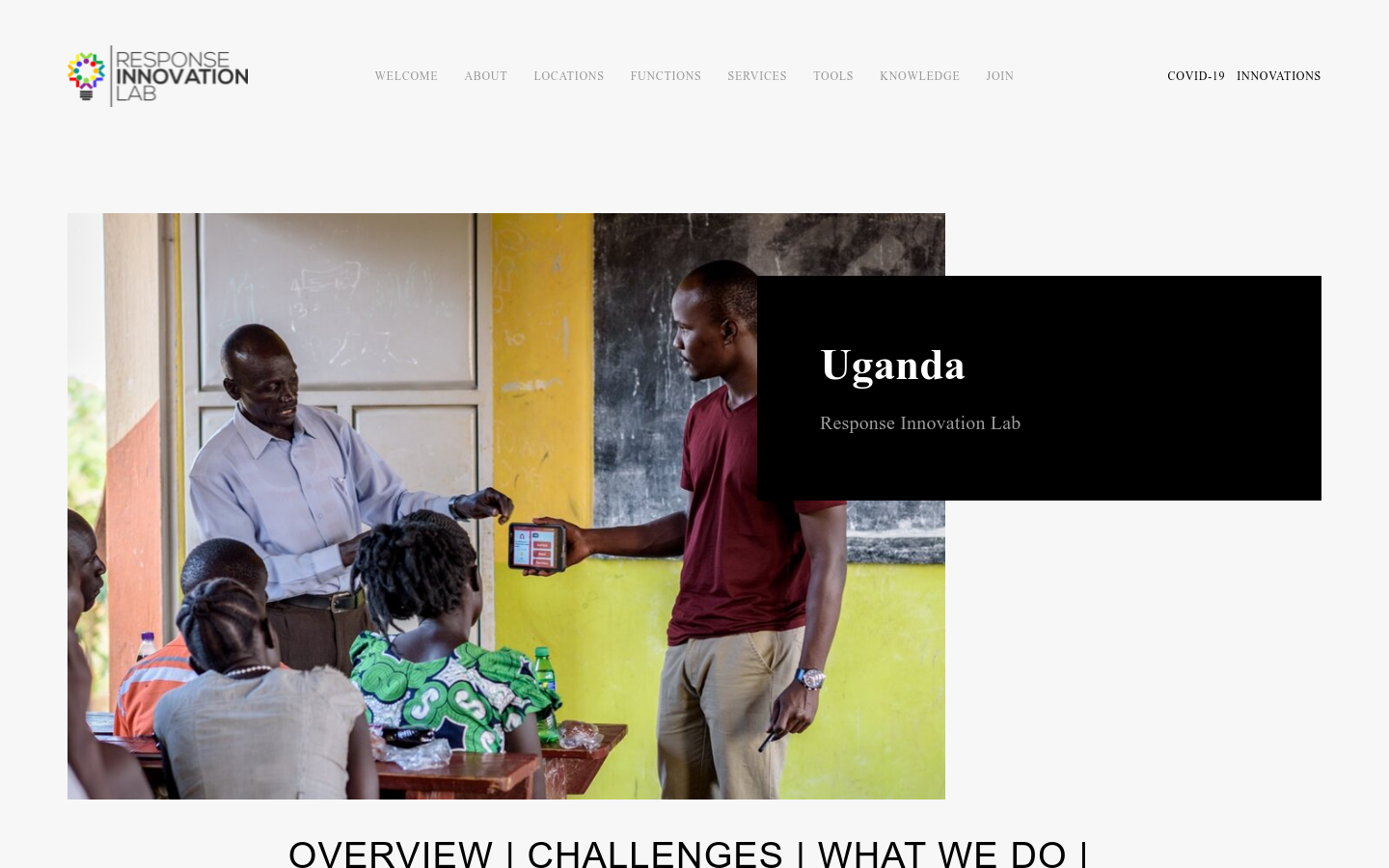
The Uganda Response Innovation Lab (Uganda RIL) was founded in 2018 by Save the Children Uganda. The main objective of the lab is to support the humanitarian response to 1.4 million refugees from eight East African countries, mainly from the Democratic Republic of Congo and South Sudan, and their host communities across 13 districts in the country through innovative approaches, systems, technologies and products.
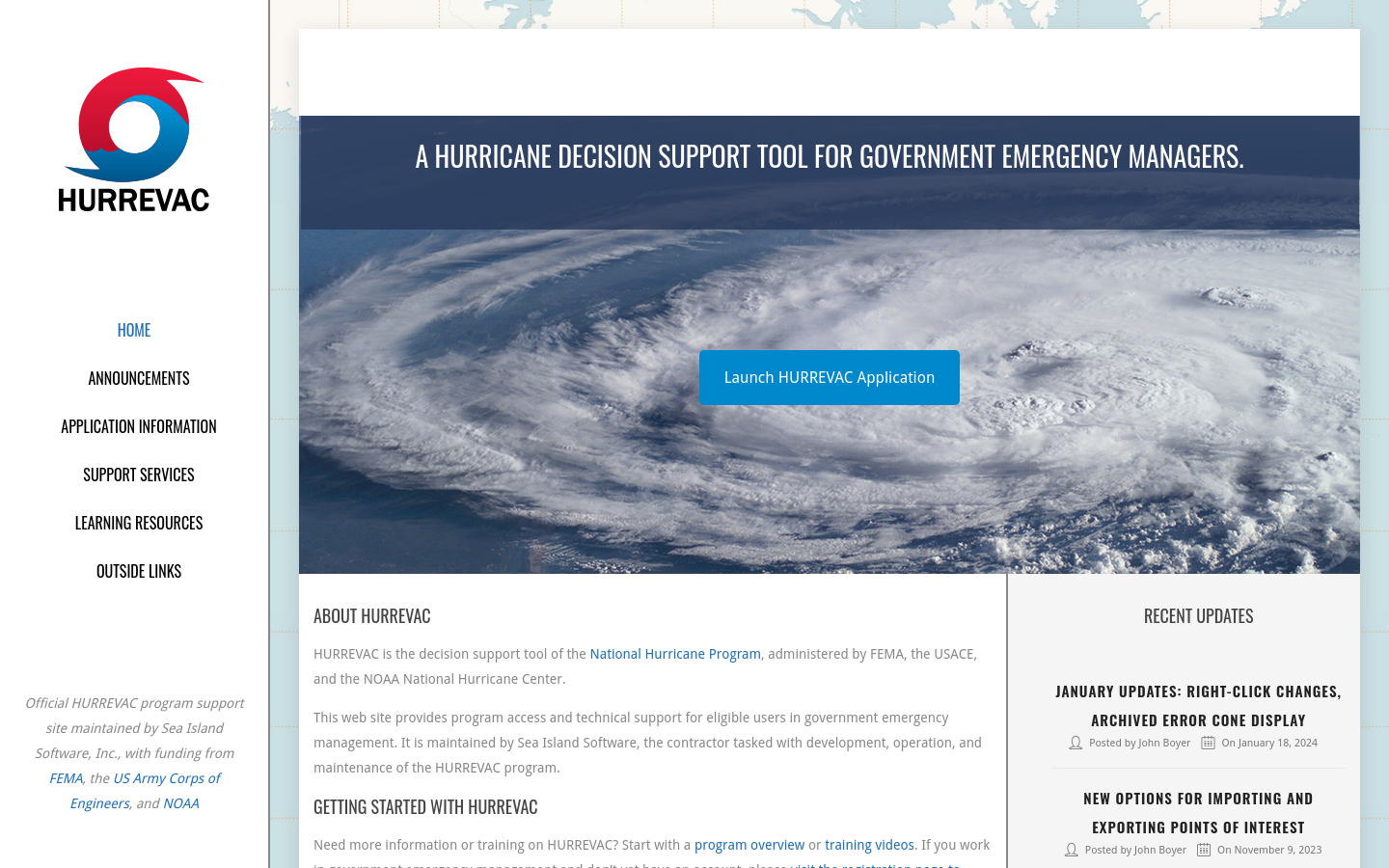
HURREVAC is the decision support tool of the [US] National Hurricane Program, administered by FEMA, the USACE, and the NOAA National Hurricane Center.