FloodLight
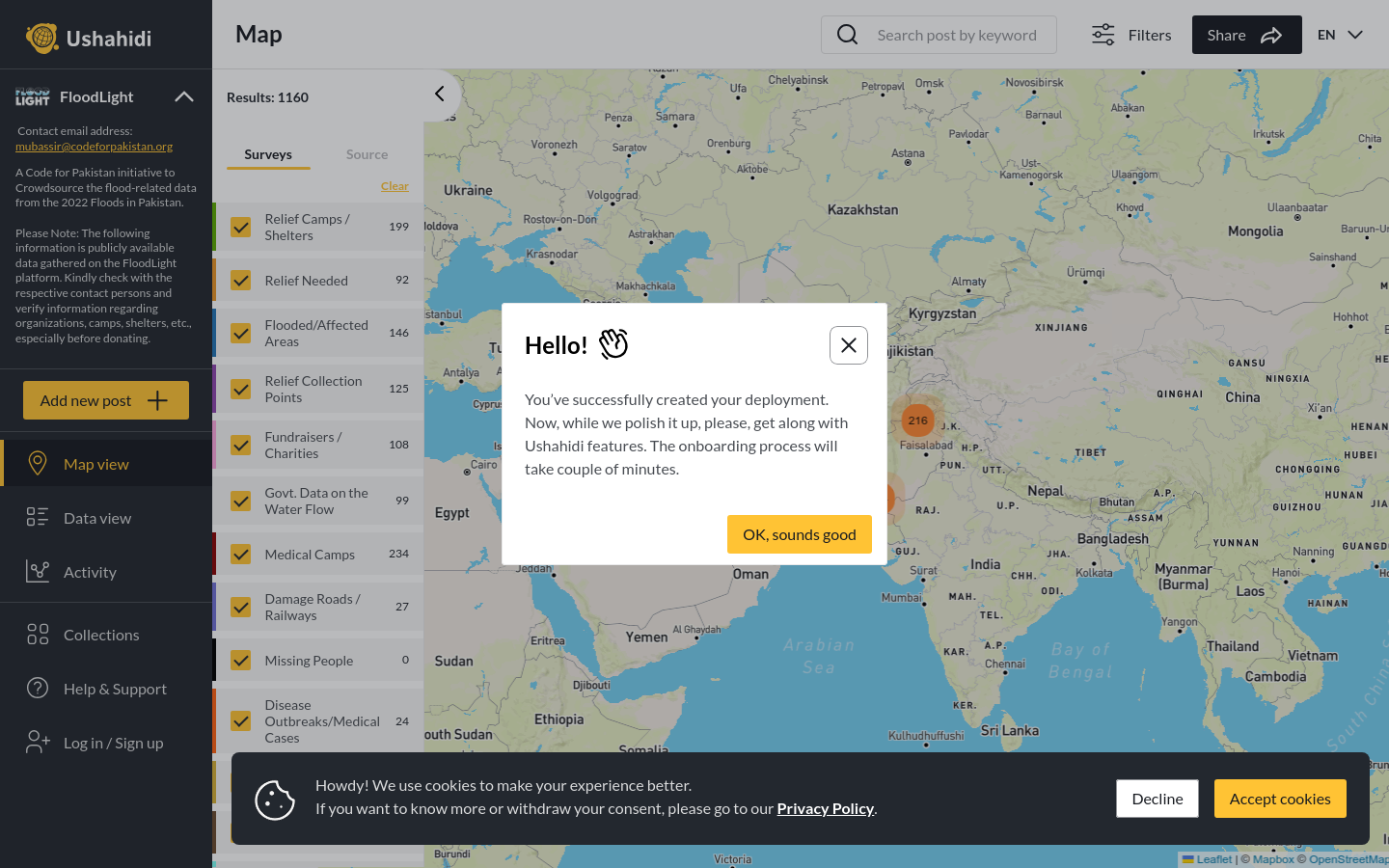
A Code for Pakistan initiative to Crowdsource the flood-related data from the 2022 Floods in Pakistan.
Pakistan
2022
floods

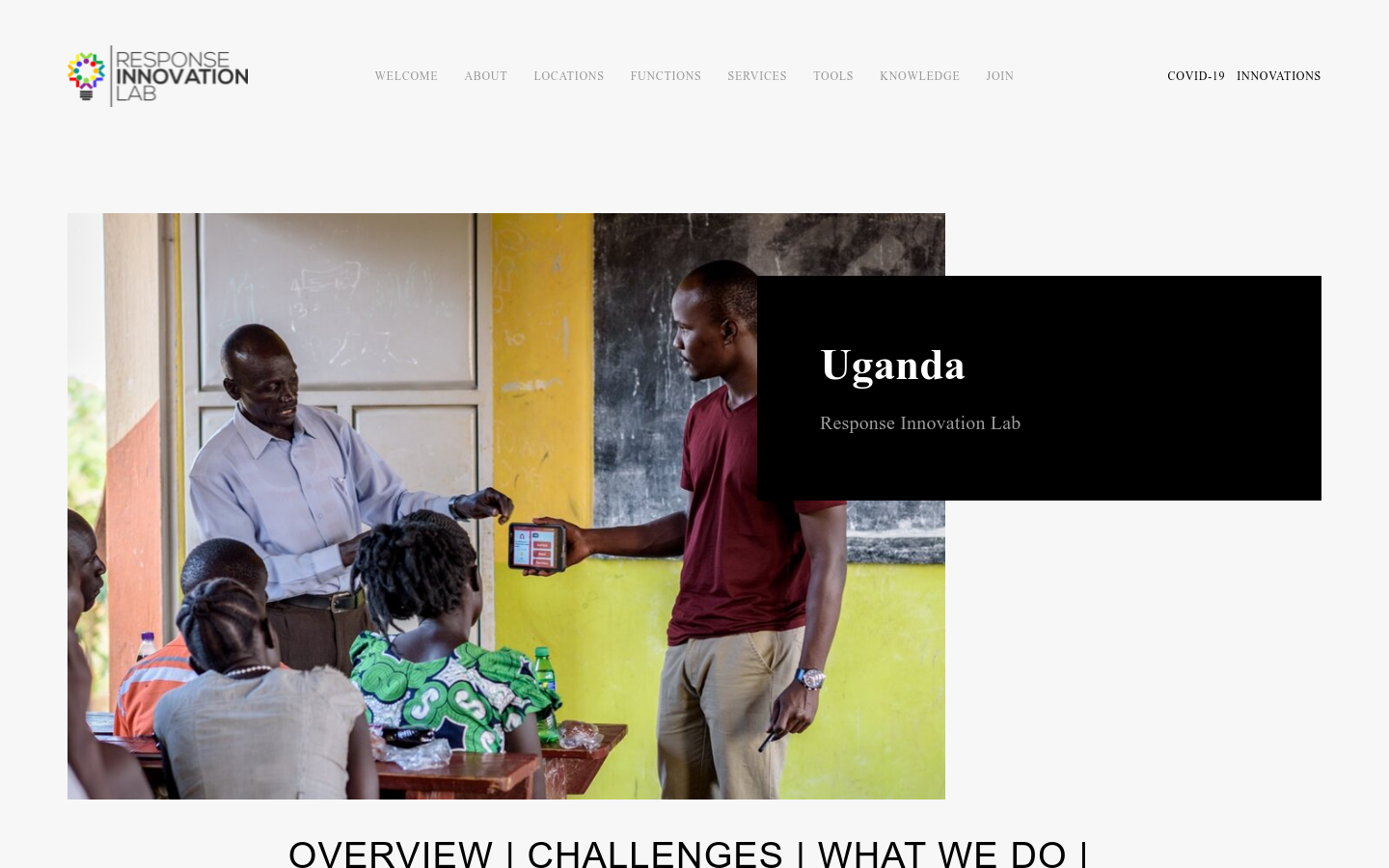
The Uganda Response Innovation Lab (Uganda RIL) was founded in 2018 by Save the Children Uganda. The main objective of the lab is to support the humanitarian response to 1.4 million refugees from eight East African countries, mainly from the Democratic Republic of Congo and South Sudan, and their host communities across 13 districts in the country through innovative approaches, systems, technologies and products.
Uganda is the country hosting the largest number of refugees in Africa, with 60% being children and 110,000 persons with specific needs. The Government of Uganda implements a progressive approach, called the Comprehensive Refugee Response Framework, and provides refugees with freedom of movement, the right to work and establish businesses, access social services, and an allocation of land for shelter and agricultural production. However, challenges come with hosting such large numbers of refugees over a long period of time, and the level of unmet needs among both the refugee and host communities is critical. Despite an integrated approach to service provision, refugees have higher needs than host community members in terms of access to livelihoods, food security, health and nutrition, shelter, and non-food items. A 2018 vulnerability study found refugees much more likely to be living in poverty than the host population, even while receiving assistance.
Parent organization: Response Innovation Lab
A Code for Pakistan initiative to Crowdsource the flood-related data from the 2022 Floods in Pakistan.
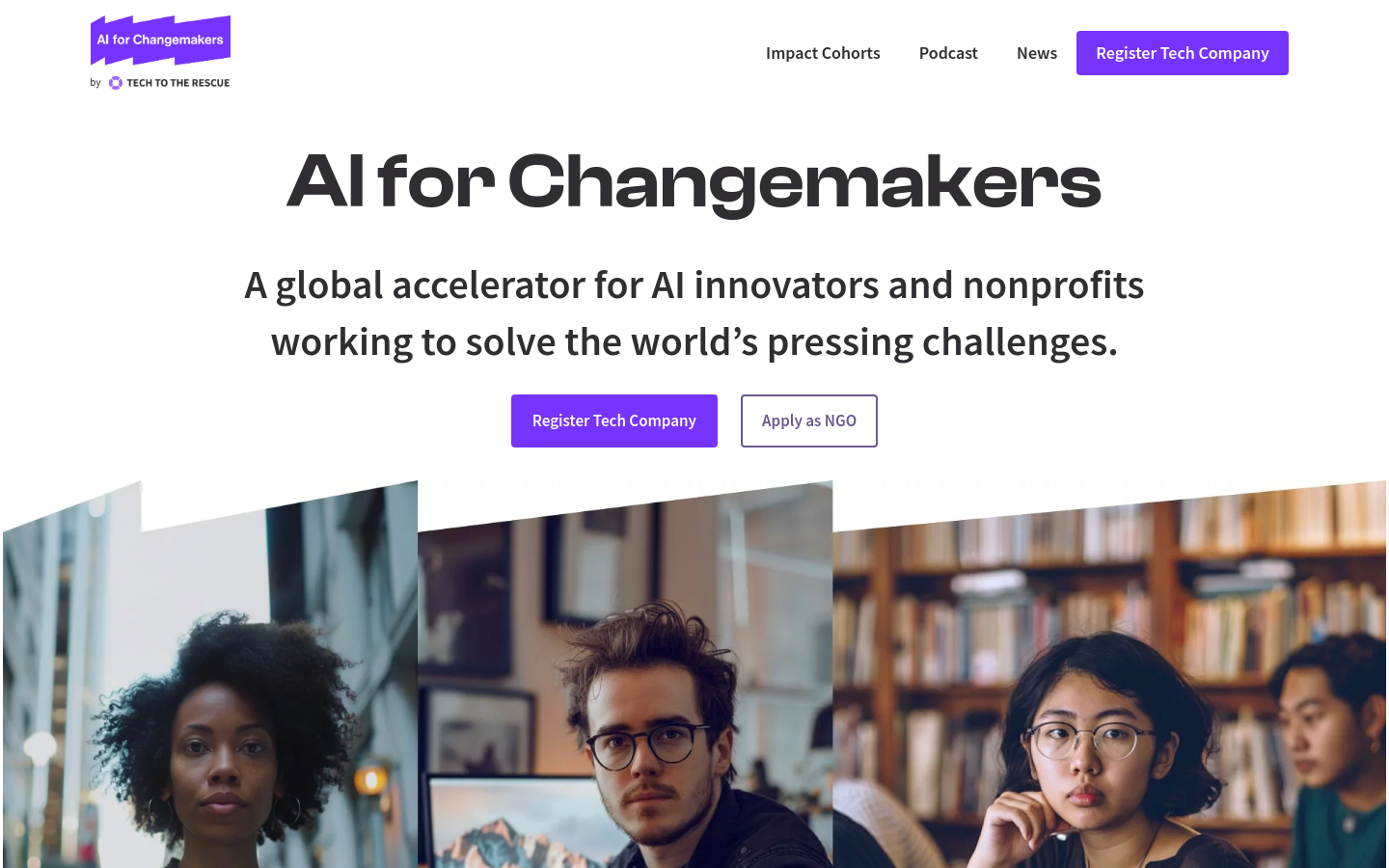
A global accelerator for AI innovators and nonprofits working to solve the world’s pressing challenges.
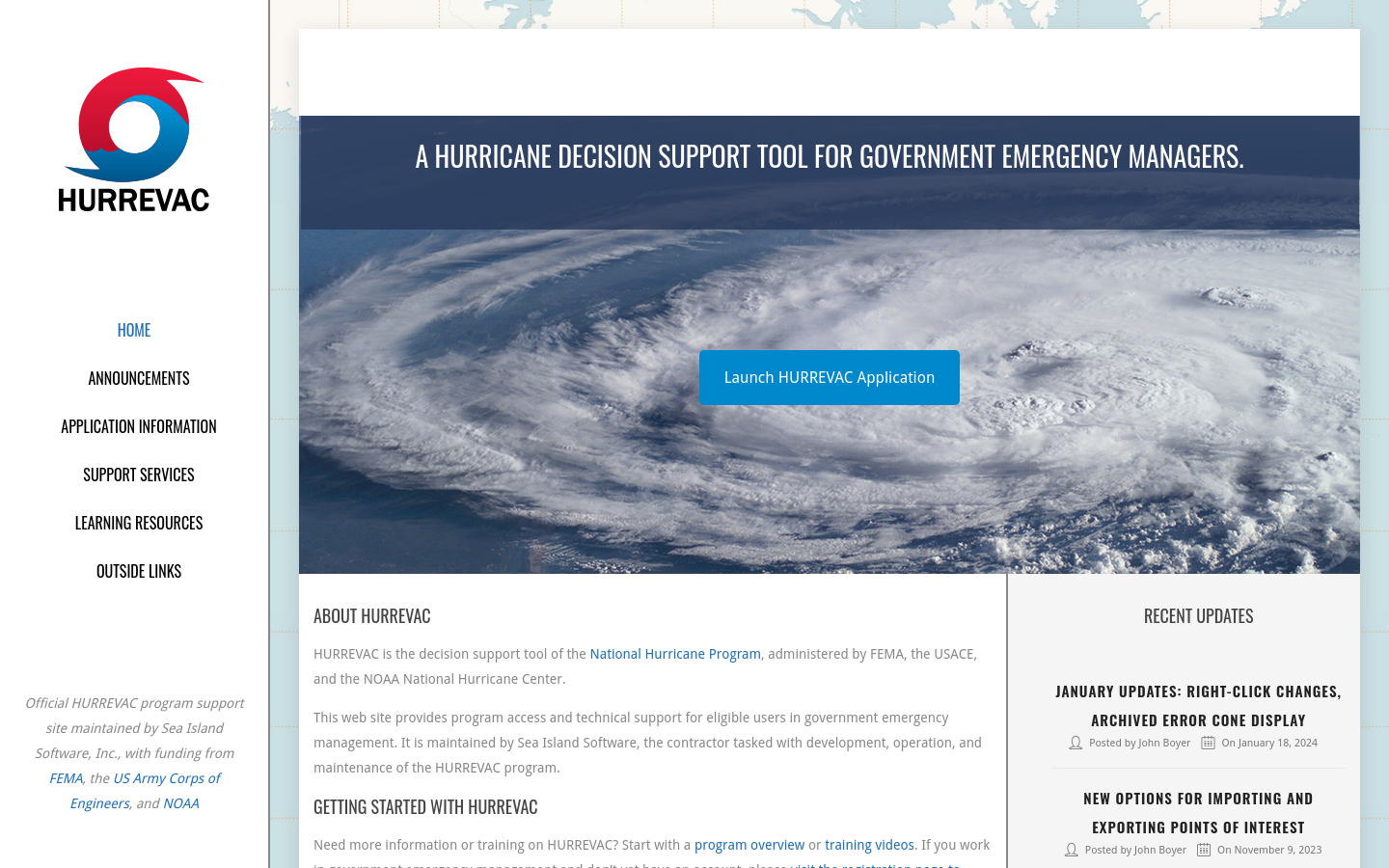
HURREVAC is the decision support tool of the [US] National Hurricane Program, administered by FEMA, the USACE, and the NOAA National Hurricane Center.
Humanitarian ID is an authentication service managed by the United Nations Office for the Coordination of Humanitarian Affairs (UNOCHA).