Extract
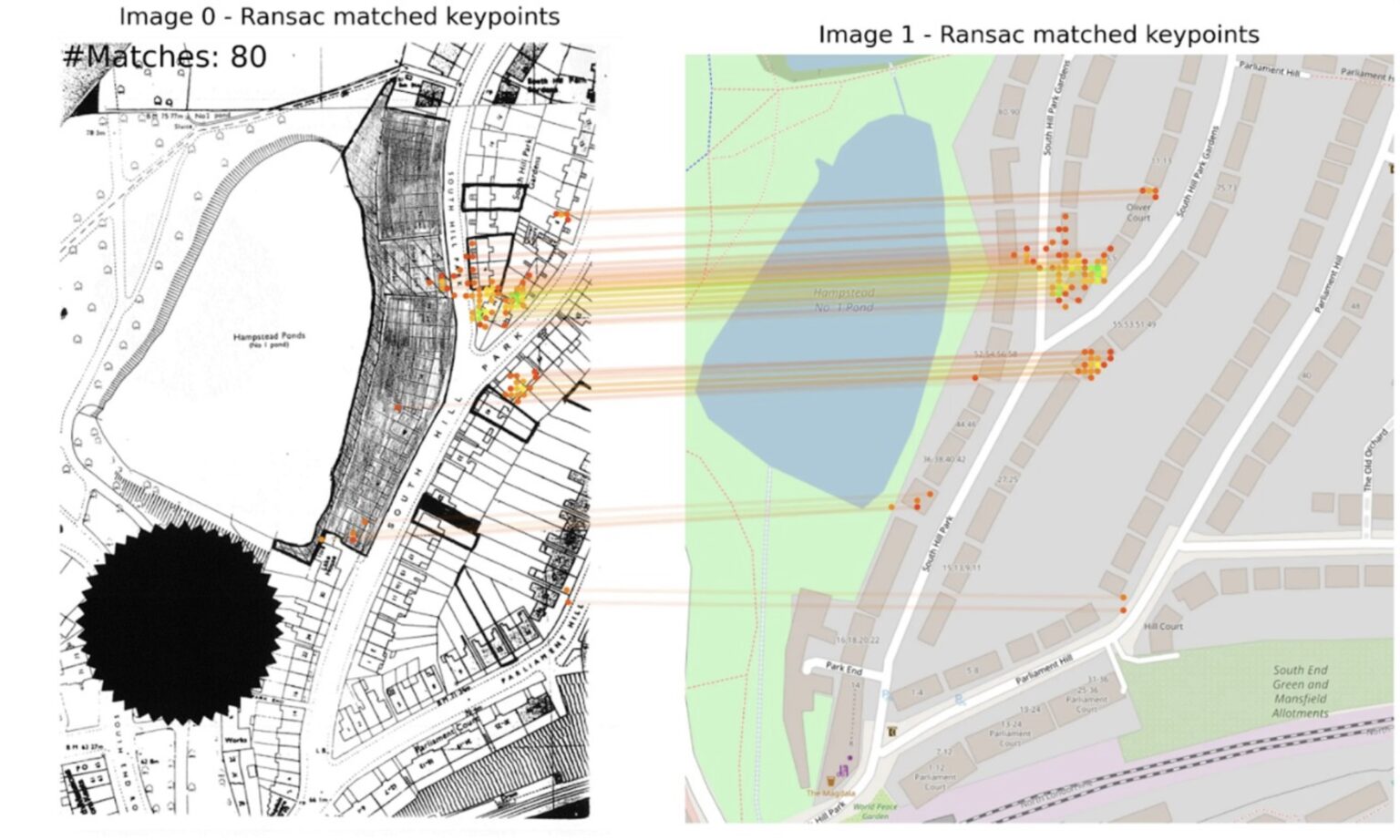
Using AI to unlock historic planning data
10 Downing Street
2025
Gemini, OpenStreetMap

In Collaborative Governance for Urban Revitalization, Michael J. Rich and Robert P. Stoker confront the puzzle of why the outcomes achieved by the original Empowerment Zones varied so widely given that each city had the same set of federal ...
For more than one hundred years, governments have grappled with the complex problem of how to revitalize distressed urban areas. In 1995, the original urban Empowerment Zones (Atlanta, Baltimore, Chicago, Detroit, New York, and Philadelphia) each received a $100 million federal block grant and access to a variety of market-oriented policy tools to support the implementation of a ten-year strategic plan to increase economic opportunities and promote sustainable community development in high-poverty neighborhoods. In Collaborative Governance for Urban Revitalization, Michael J. Rich and Robert P. Stoker confront the puzzle of why the outcomes achieved by the original Empowerment Zones varied so widely given that each city had the same set of federal policy tools and resources and comparable neighborhood characteristics.The authors' analysis, based on more than ten years of field research in Atlanta and Baltimore and extensive empirical analysis of EZ processes and outcomes in all six cities shows that revitalization outcomes are best explained by the quality of local governance. Good local governance makes positive contributions to revitalization efforts, while poor local governance retards progress. While policy design and contextual factors are important, how cities craft and carry out their strategies are critical determinants of successful revitalization. Rich and Stoker find that good governance is often founded on public-private cooperation, a stance that argues against both the strongest critics of neoliberalism (who see private enterprise as dangerous in principle) and the strongest opponents of liberalism (who would like to reduce the role of government).
Michael J. Rich, Robert P. Stoker
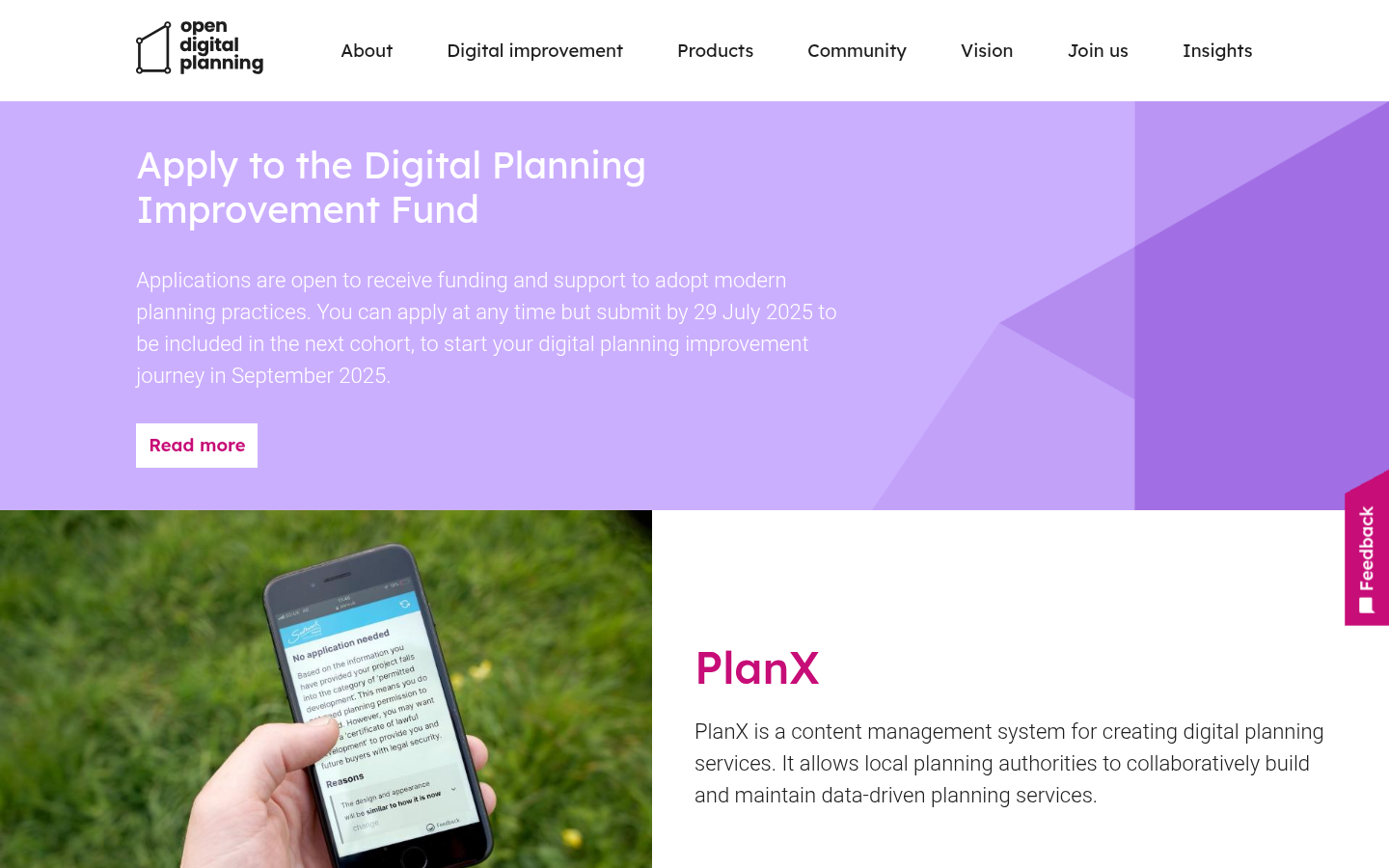
PlanX is a content management system for creating digital planning services. It allows local planning authorities to collaboratively build and maintain data-driven planning services.
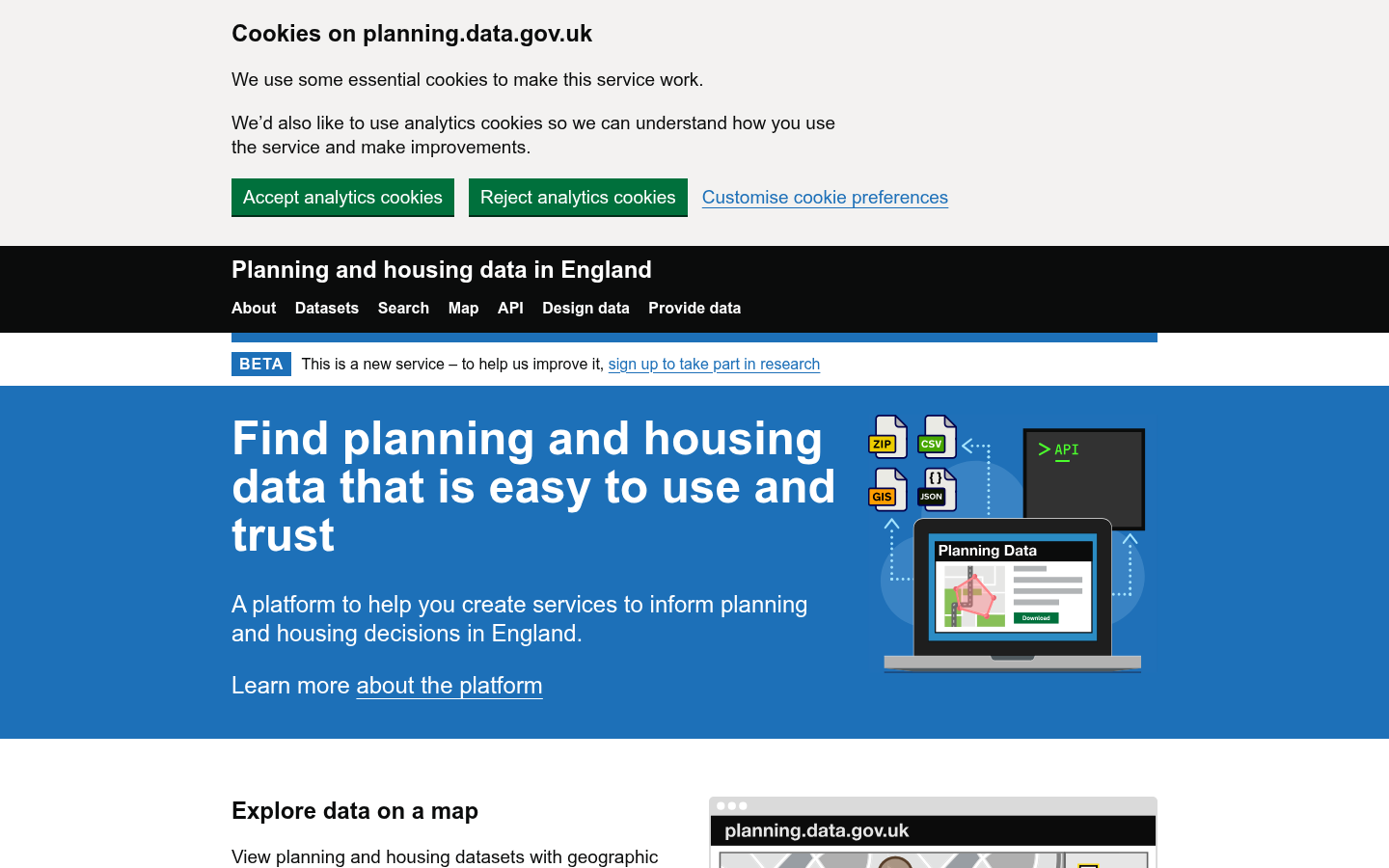
Official government portal for open planning and housing data
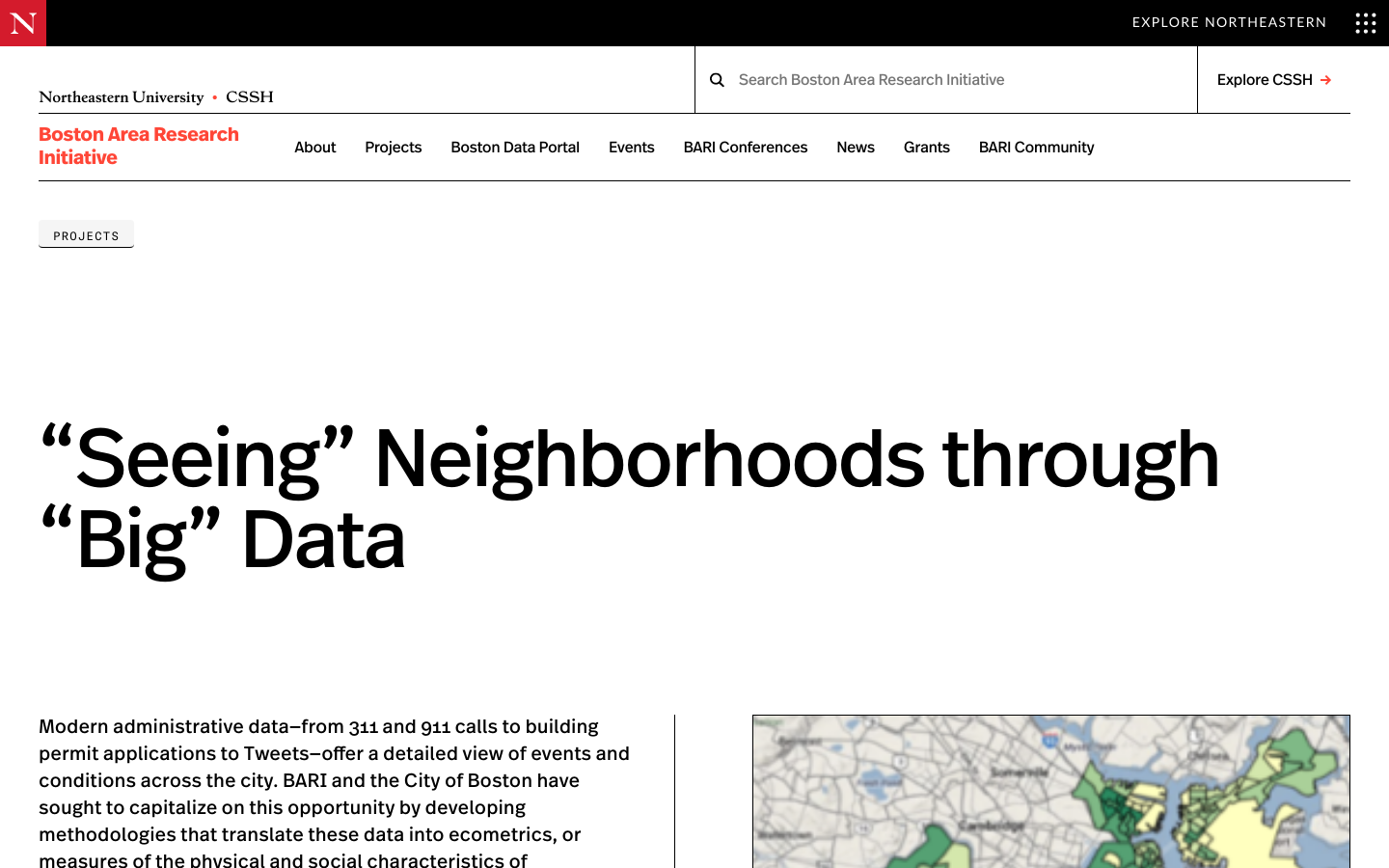
Modern administrative data—from 311 and 911 calls to building permit applications to Tweets—offer a detailed view of events and conditions across the city.