
Stop Your Government
The interactive story game aims to inspire young people to stand for what they believe is right and become active in civil society and non-governmental organizations.
Ljubljana

How might we scale development of policy argumentation skills? Cognitive games embed intelligent computer tutors in game-like environments to teach policy argumentation skills. Intelligent tutors can achieve learning gains rivaling that of human tutors by observing how students solve problem and giving them feedback on each step of their problem solving process. Embedding tutors in games allows us to achieve high levels of learning and interest levels that equal to or better than those in conventional games. Games include: Policy world teaches students how to make arguments for policy intervention by constructing and using diagrams that depict causal claims of different sources. Political Agenda teaches students how to reason about the ideological values using Moral Foundations Theory to understand the common ground between political groups. State of Nature – multiplayer game designed to teach fundamental political concepts such as the State of Nature and Hobbes' Leviathan.
Matt Easterday

The interactive story game aims to inspire young people to stand for what they believe is right and become active in civil society and non-governmental organizations.
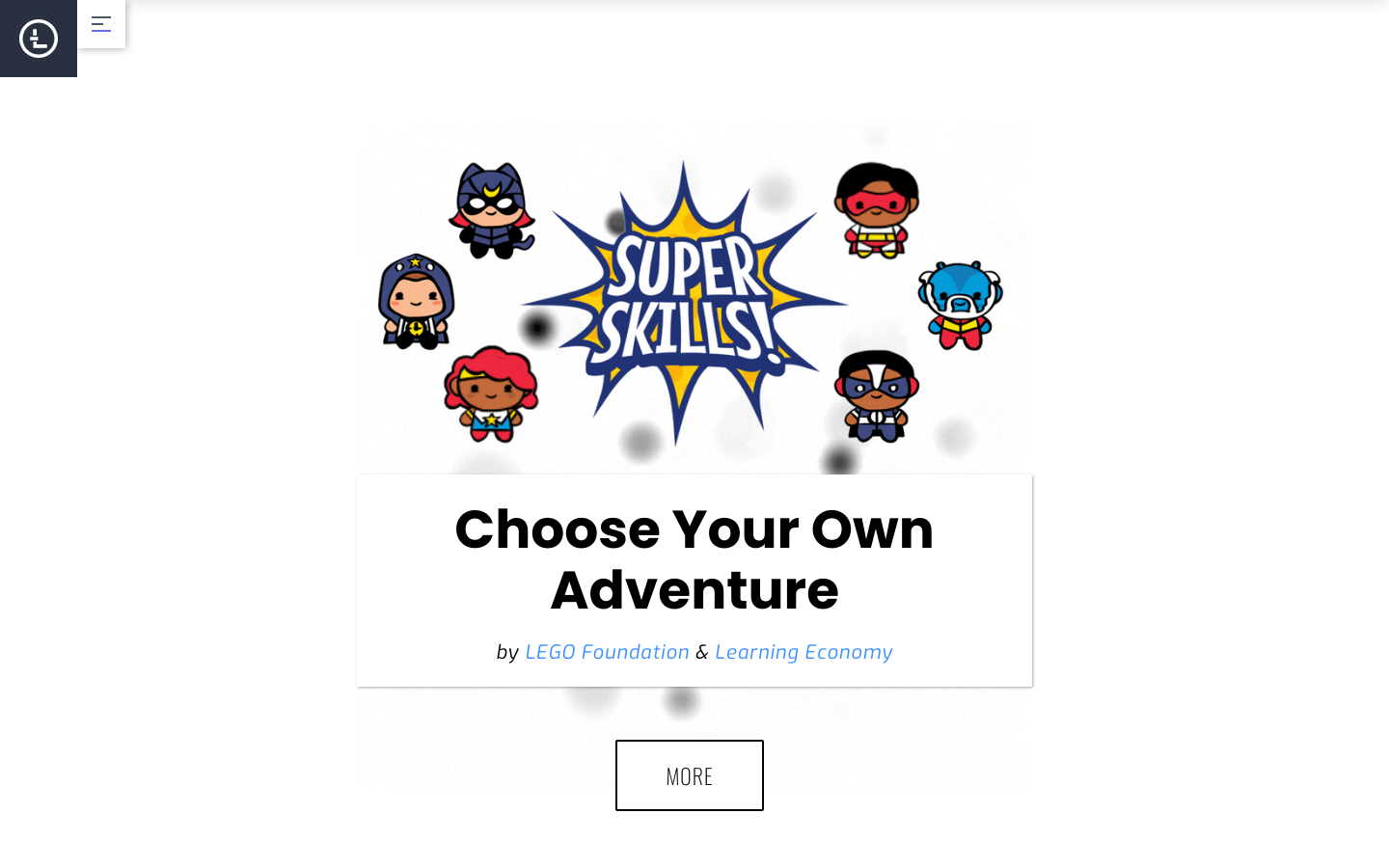
SuperSkills! is a learning ecosystem, developed by Learning Economy and LEGO Foundation. Children ages 4-12 embark on quests to help save a league of super heroes by participating in learning-through-play activities that send them out into the world of discovery and away from their devices.
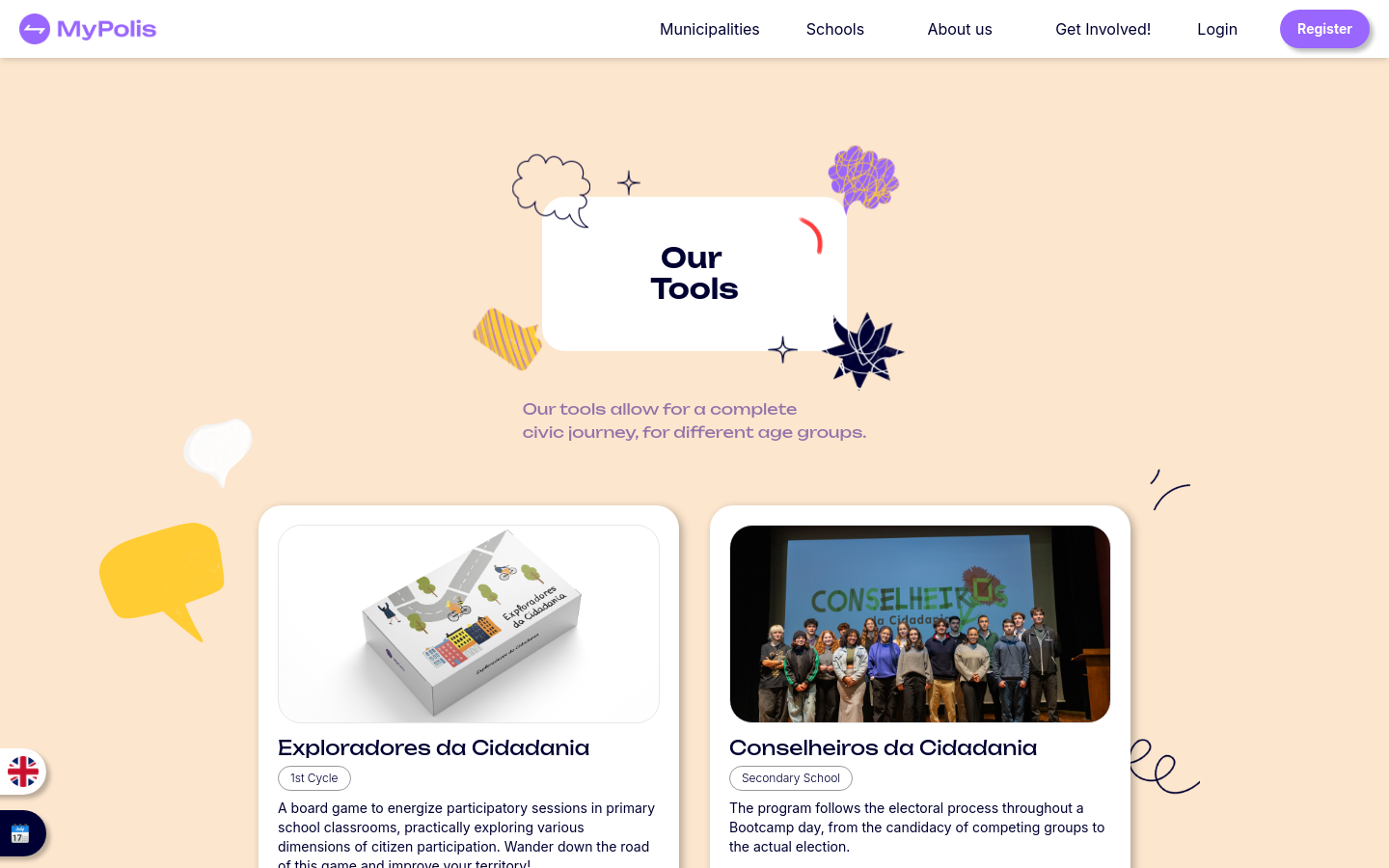
A board game to energize participatory sessions in primary school classrooms, practically exploring various dimensions of citizen participation. Wander down the road of this game and improve your territory!