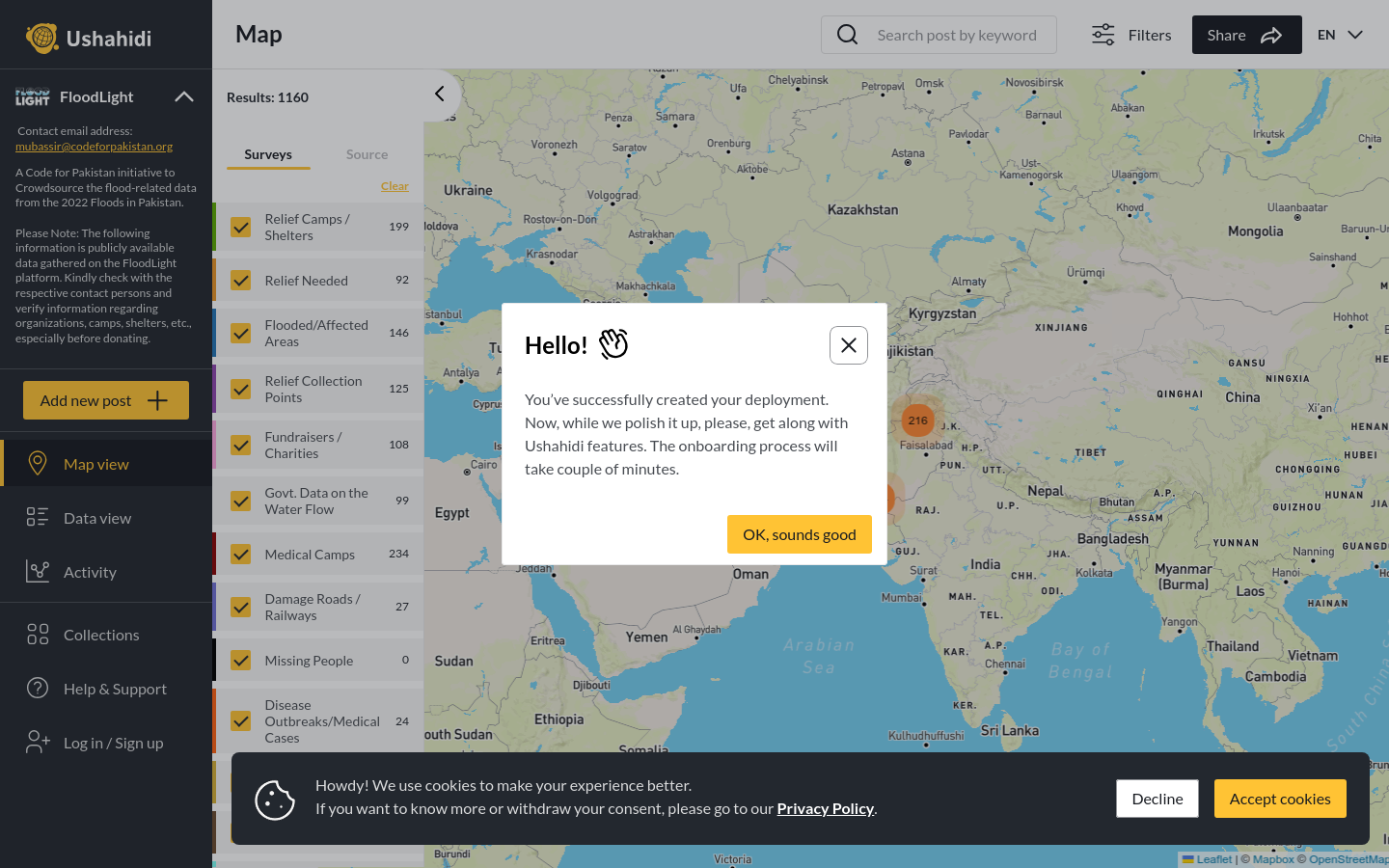
FloodLight
A Code for Pakistan initiative to Crowdsource the flood-related data from the 2022 Floods in Pakistan.
Pakistan
2022
floods

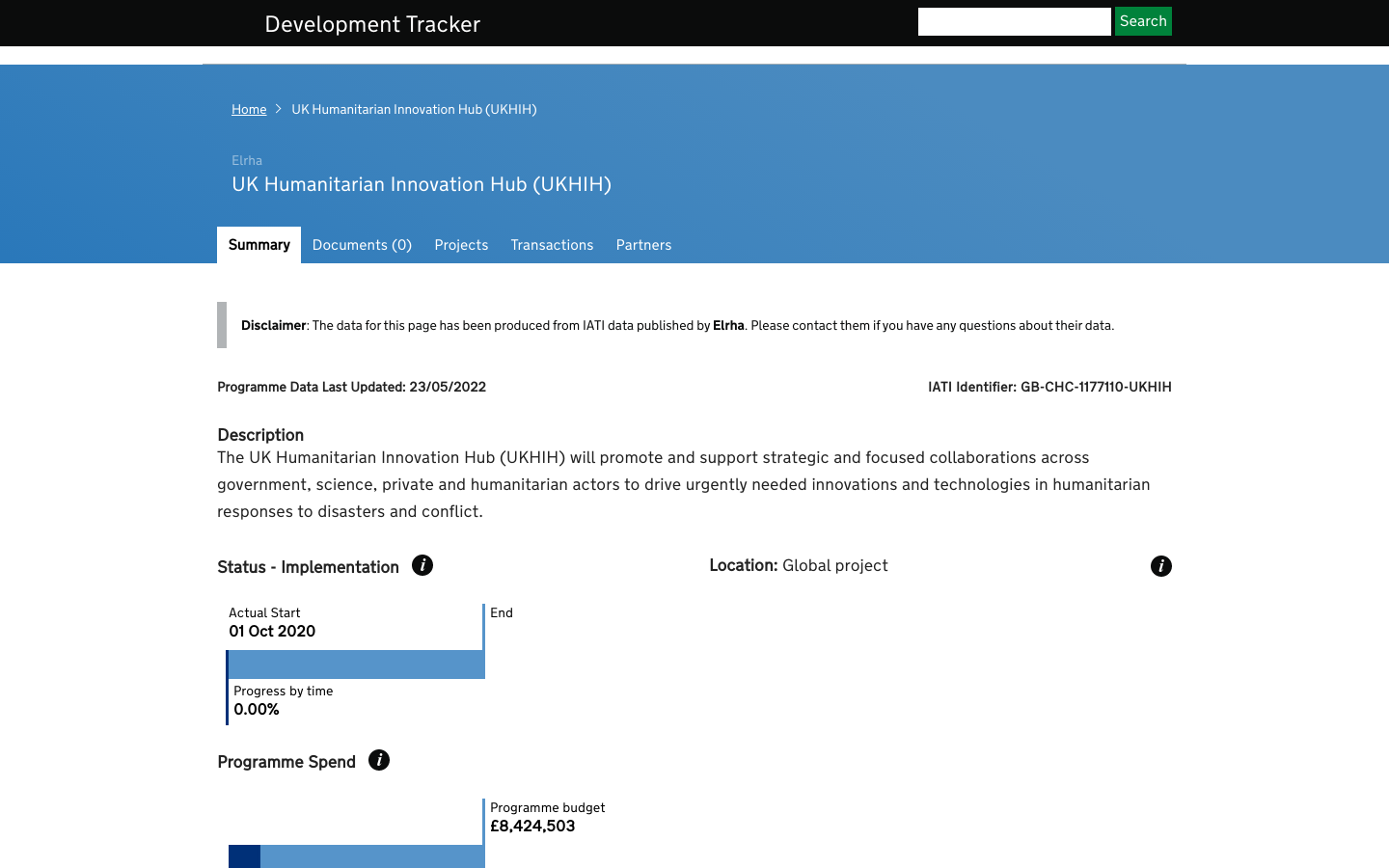
A report by the UK Humanitarian Innovation Hub
By Giulia Costella, David Garcia, David Hodgson, Nicki McGoh, Stella Chelangat Mutai, Catherine Lilian Nakalembe, Rhiannan Price, and David Taverner. This report includes the following: • A categorisation of supply- and demand-side stakeholders of satellite technology for the humanitarian sector with examples. • A consolidated overview of examples where satellite technologies have been used effectively for humanitarian domains. • A landscaping of over 500 humanitarian satellite applications. • Identification of key barriers to the adoption of satellite applications and potential interventions from the development community to overcome them. • A summary of two case studies from Asia-Pacific and East Africa to provide real-world insight from specific regions.
Parent organization: UK Humanitarian Innovation Hub (UKHIH)
A Code for Pakistan initiative to Crowdsource the flood-related data from the 2022 Floods in Pakistan.
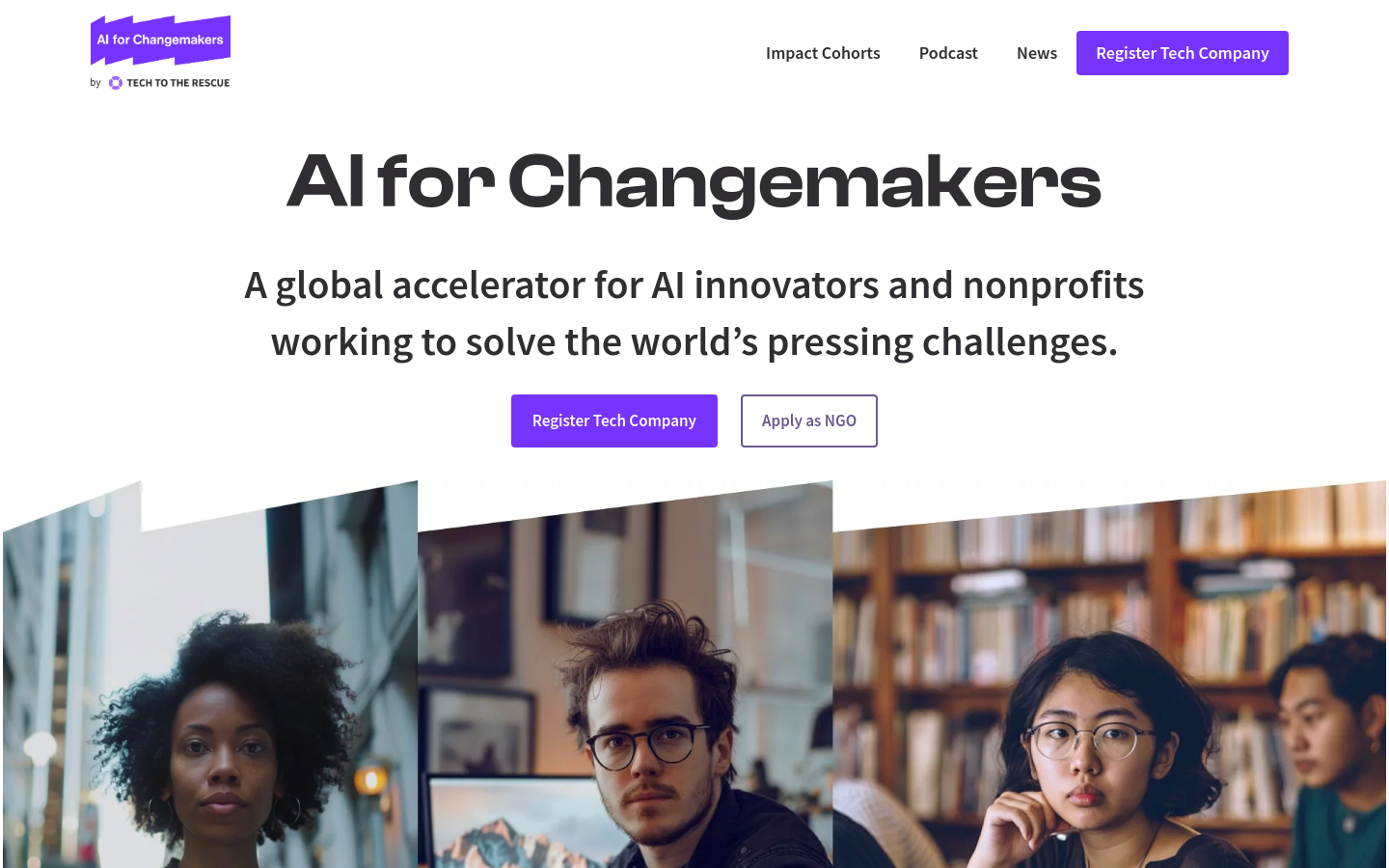
A global accelerator for AI innovators and nonprofits working to solve the world’s pressing challenges.
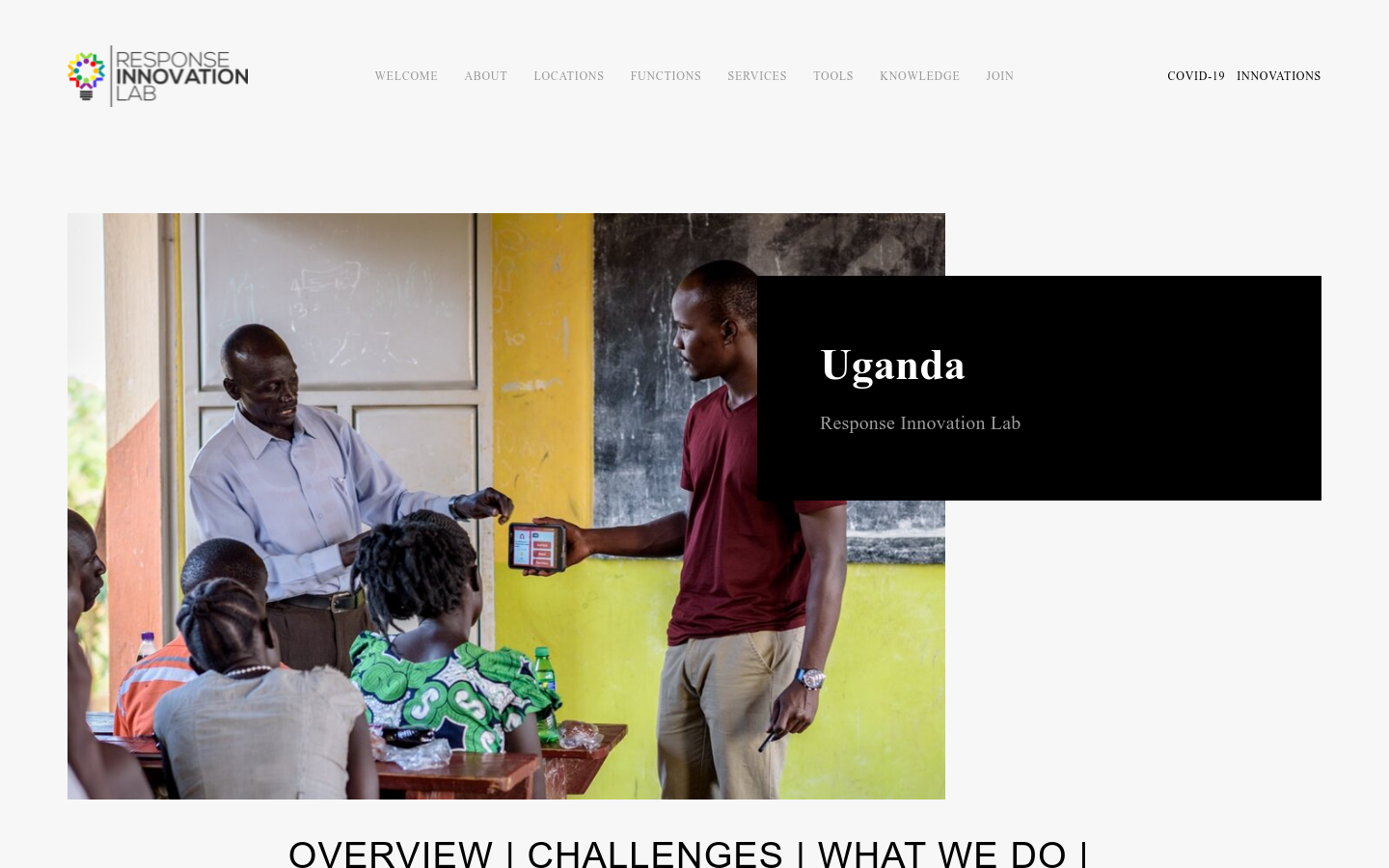
The Uganda Response Innovation Lab (Uganda RIL) was founded in 2018 by Save the Children Uganda. The main objective of the lab is to support the humanitarian response to 1.4 million refugees from eight East African countries, mainly from the Democratic Republic of Congo and South Sudan, and their host communities across 13 districts in the country through innovative approaches, systems, technologies and products.
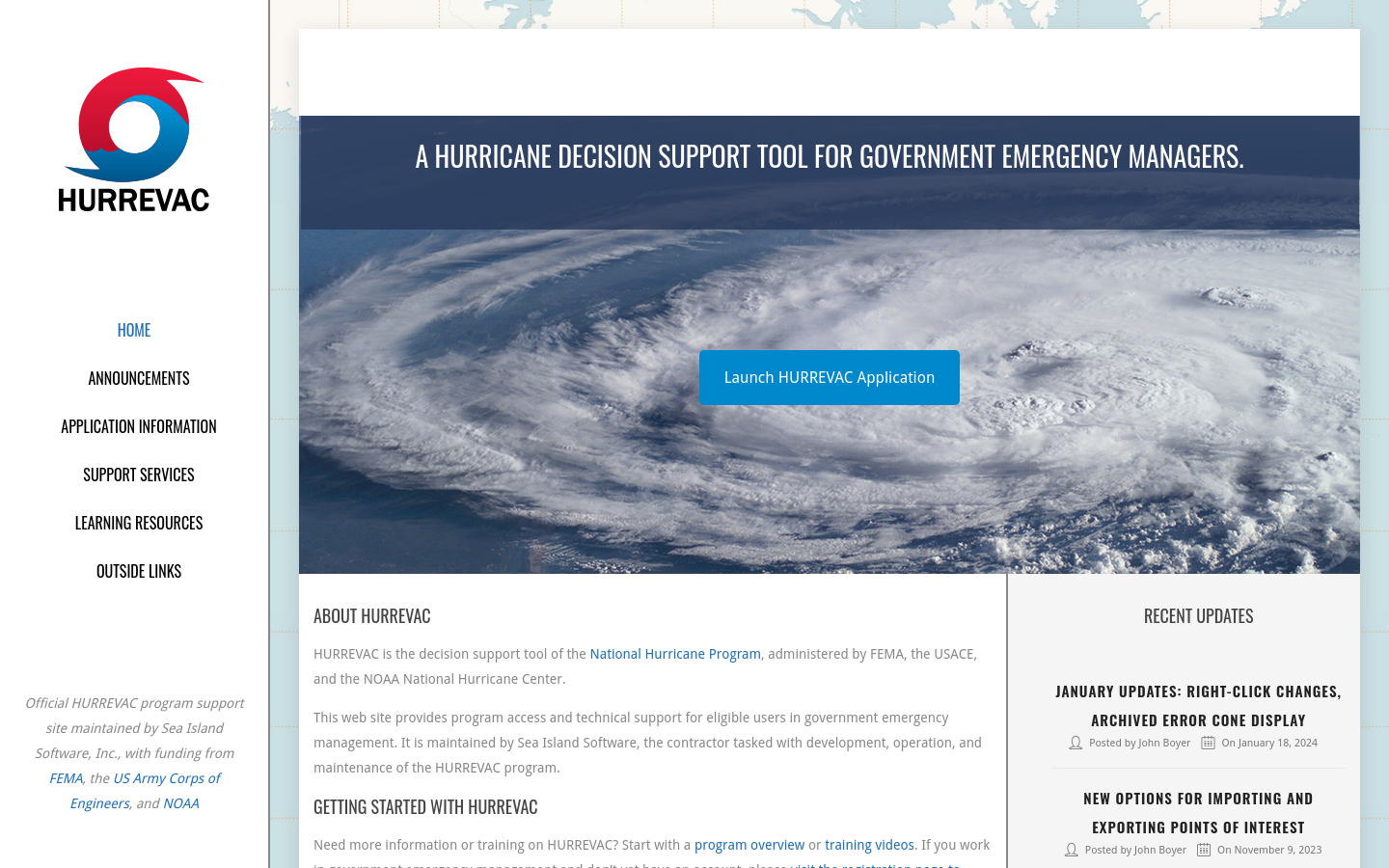
HURREVAC is the decision support tool of the [US] National Hurricane Program, administered by FEMA, the USACE, and the NOAA National Hurricane Center.