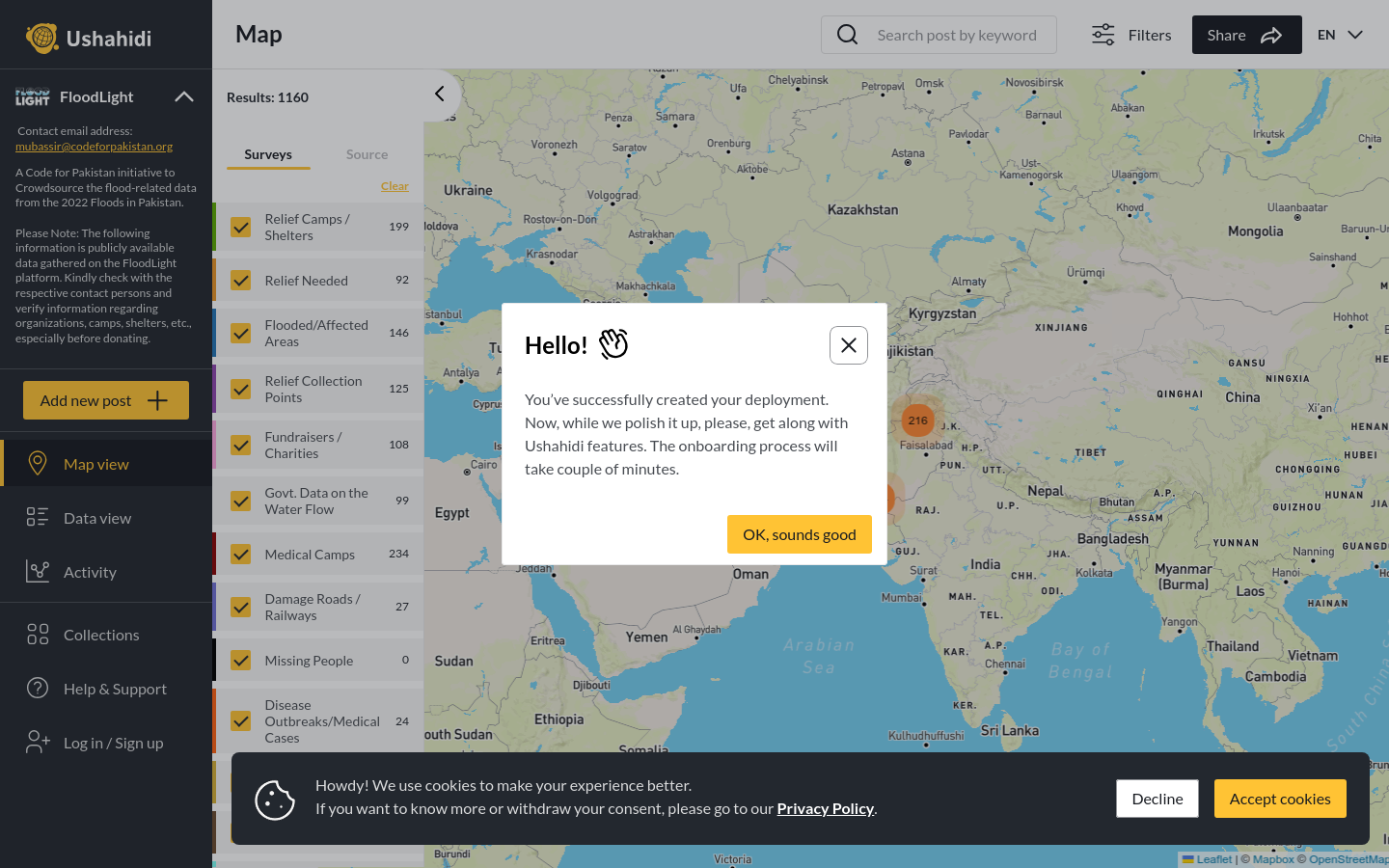
FloodLight
A Code for Pakistan initiative to Crowdsource the flood-related data from the 2022 Floods in Pakistan.
Pakistan
2022
floods

a portal of water-related data and information
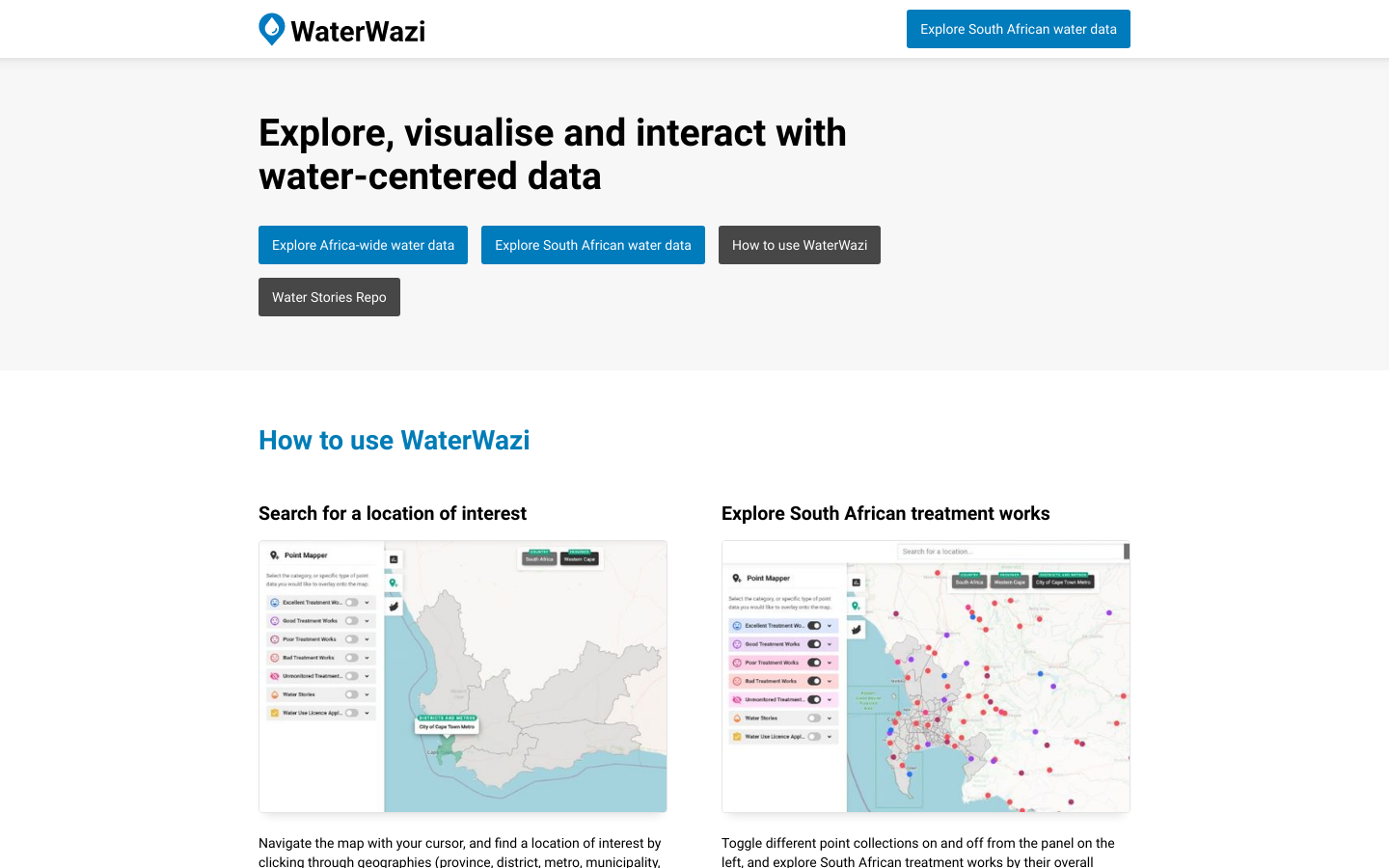
Water Wazi is a prime example of this. At its core, the concept is to create a portal of water-related data and information. Typically, access to this type of information is restricted in many countries due to technological, legal or political reasons. At a time when knowledge about this particular topic amounts to empowerment, having access to data and information about water gives people the opportunity to address grievances in their early stages to prevent health-threatening situations - and to plan for disasters, such as droughts and global pandemics. Despite access to clean water being declared a universal human right by the UN a decade ago, a billion people do not have access to clean water and adequate sanitation. There are also very few sources of consolidated water-related data. Herein lies the need for Water Wazi. This particular project brings together five different organisations, all with the shared topic of water at the centre of things. OpenUp, Code for Germany and Code for Africa will work to solve challenges faced by the Center for Collaborative Investigative Journalism (CCIJ) and iLAB partners. The first three organisations will provide the other two with data, and from this, important stories will be told, and actionable insights will be created. This community shares not only interest in a dataset or source of information, but also in intended impact. Much like the other communities, their aim is to be accessible, provide greater understanding to an issue and to tell a story.
A Code for Pakistan initiative to Crowdsource the flood-related data from the 2022 Floods in Pakistan.
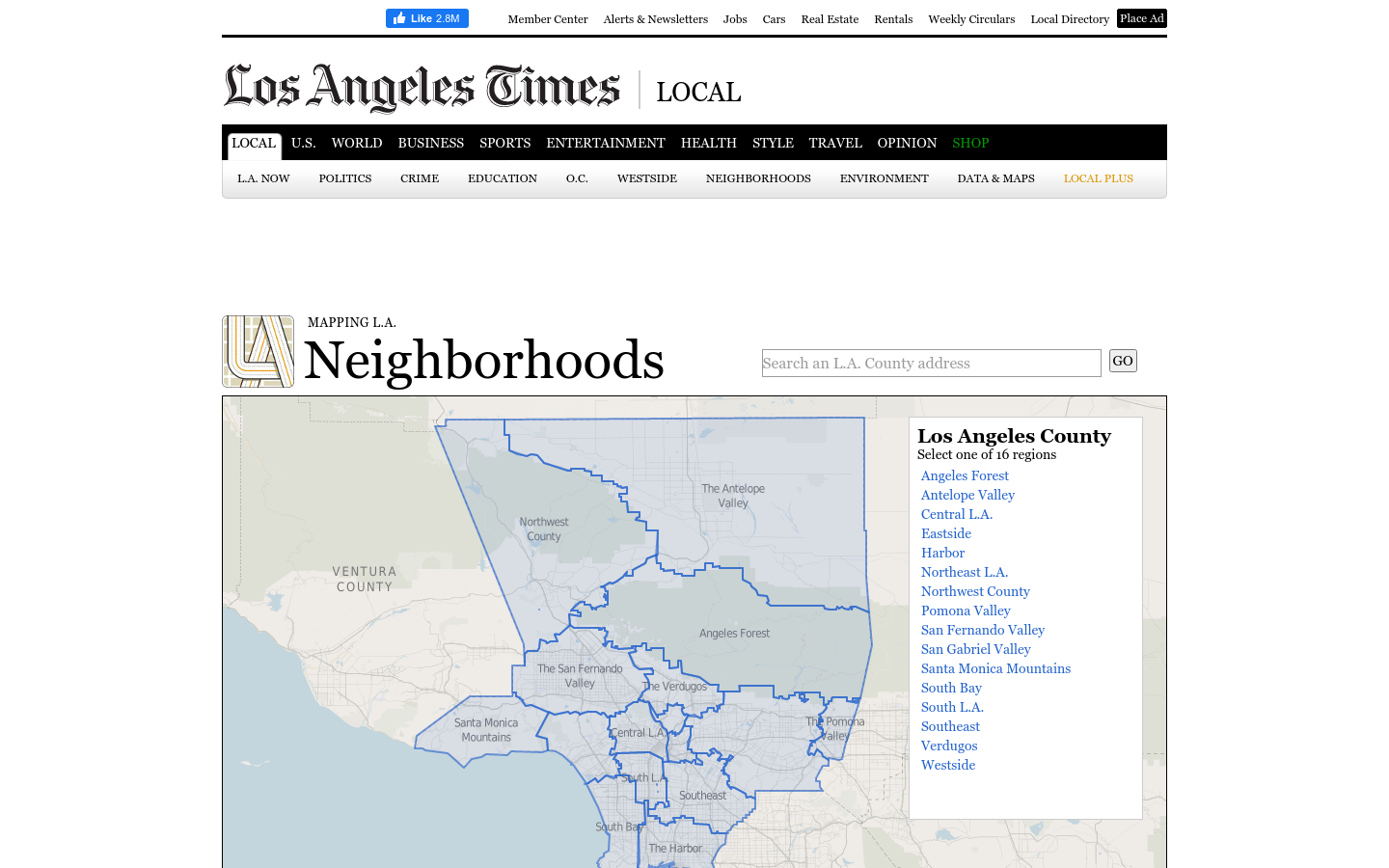
This regional view is your portal to individual maps and statistics for 158 cities and unincorporated places and 114 neighborhoods within the city of Los Angeles.
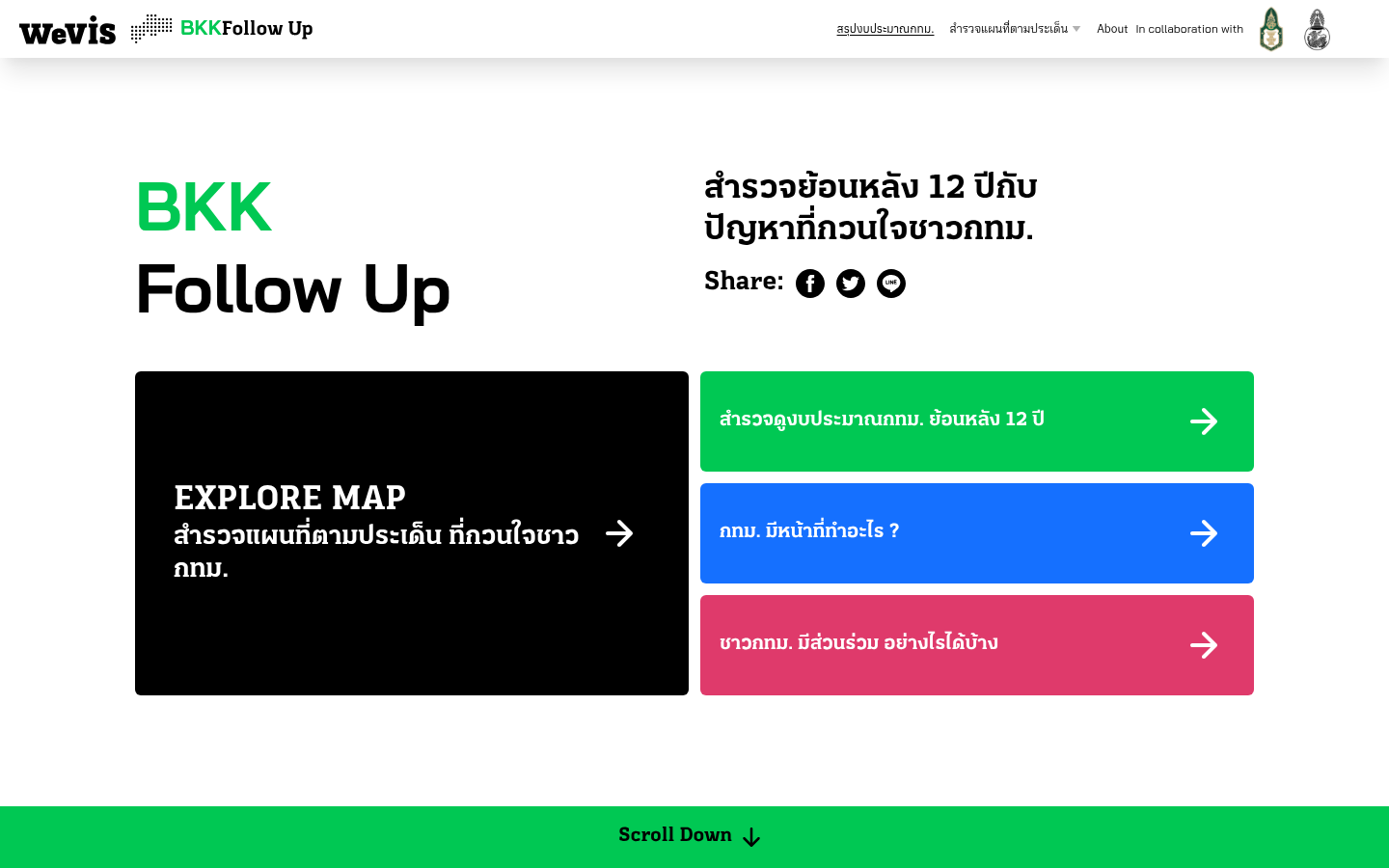
A 12-year retrospective of problems that have bothered Bangkok residents | สำรวจปัญหากวนใจชาว กทม.
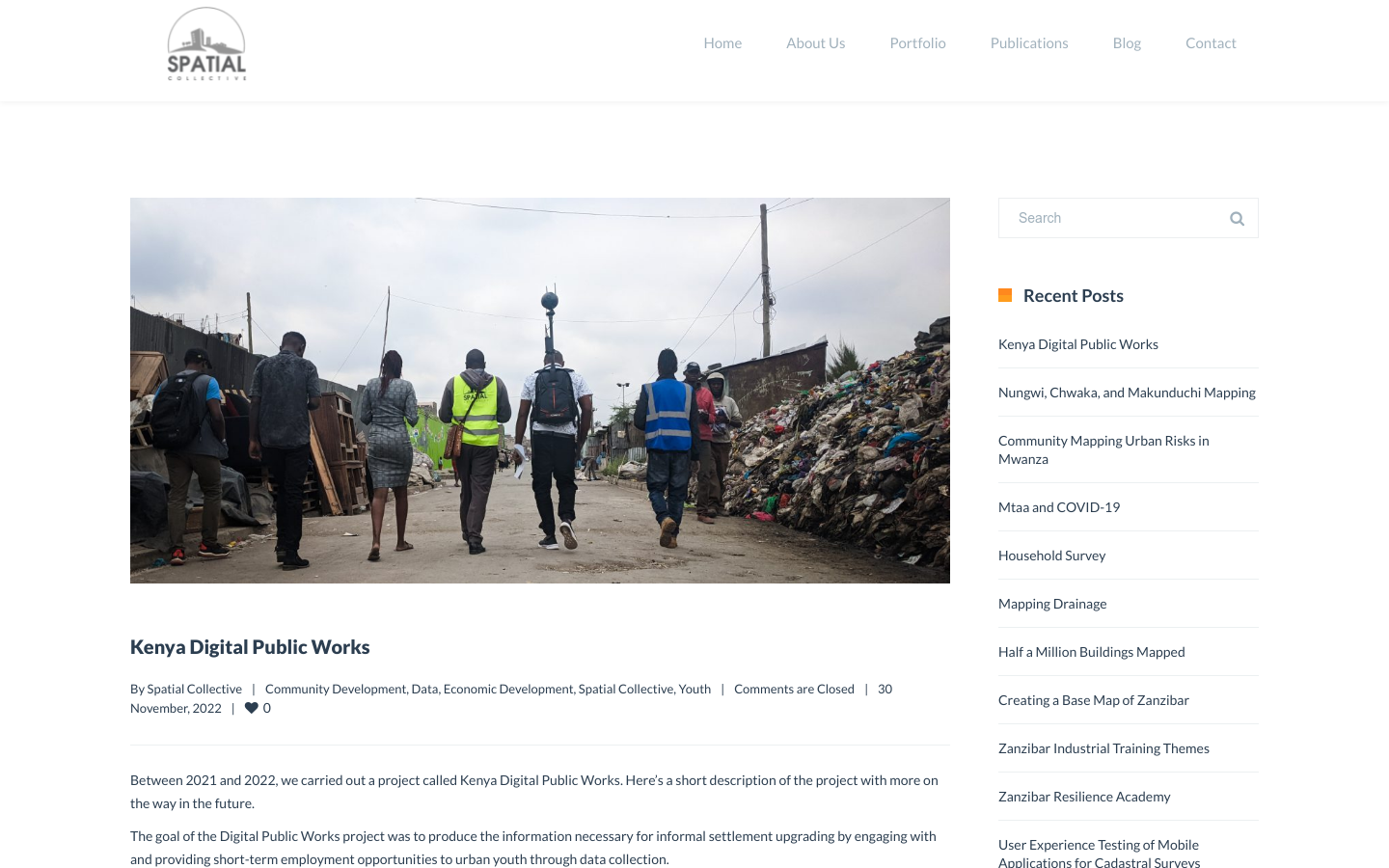
"DPW set out to answer a question: Can the youth use affordable and widely available technologies to gather the information necessary to support informal settlement upgrading?"