Predicting Well Groundwater Quality Using Cloud-Based Machine Learning: DataKind San Francisco Partners with Aquaya and DataKind
A writeup of the partnership
New York City
Clean water and sanitation

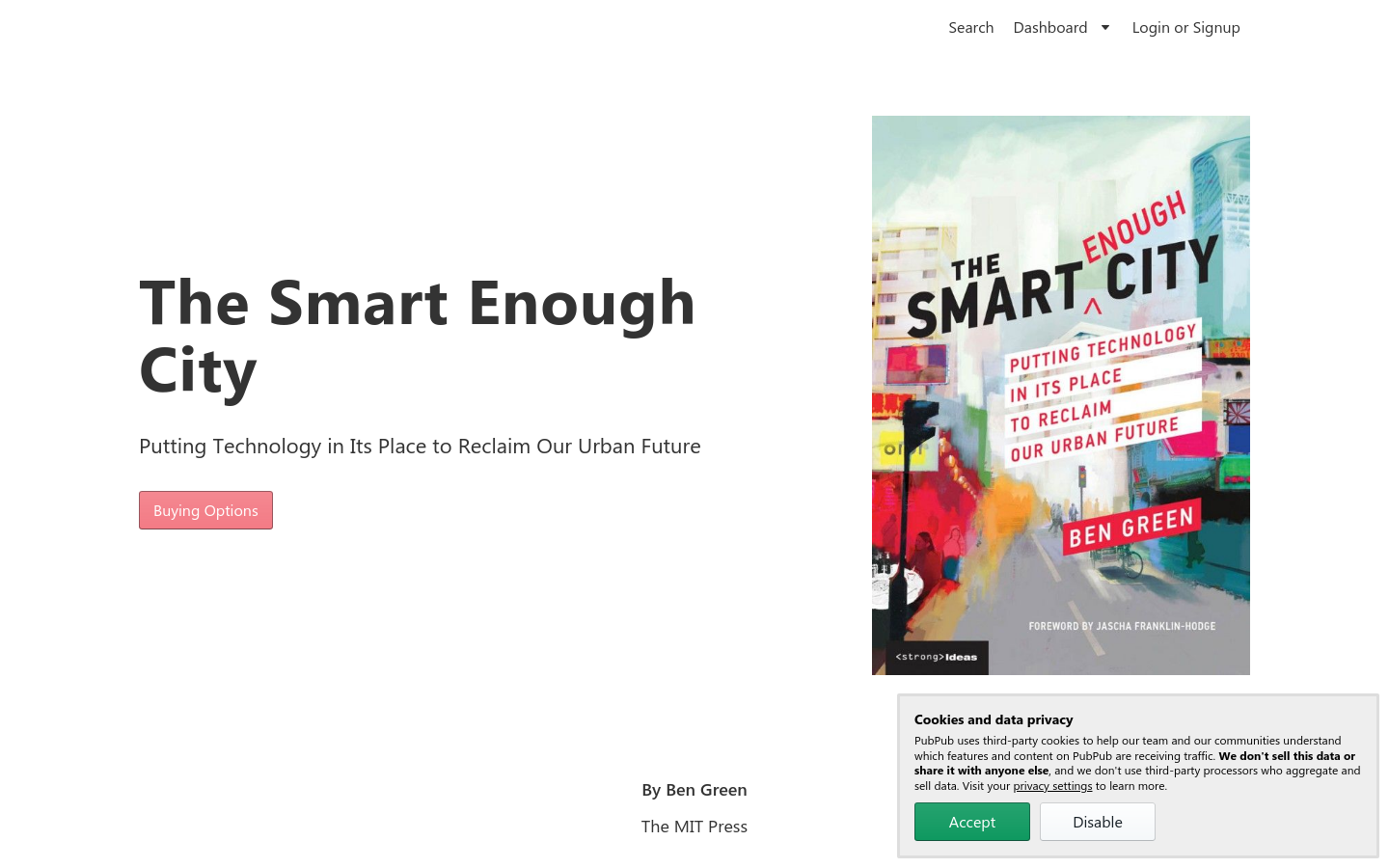
Putting Technology in Its Place to Reclaim Our Urban Future
Smart cities, where technology is used to solve every problem, are hailed as futuristic urban utopias. We are promised that apps, algorithms, and artificial intelligence will relieve congestion, restore democracy, prevent crime, and improve public services. In The Smart Enough City, Ben Green warns against seeing the city only through the lens of technology; taking an exclusively technical view of urban life will lead to cities that appear smart but under the surface are rife with injustice and inequality. He proposes instead that cities strive to be "smart enough": to embrace technology as a powerful tool when used in conjunction with other forms of social change—but not to value technology as an end in itself. In a technology-centric smart city, self-driving cars have the run of downtown and force out pedestrians, civic engagement is limited to requesting services through an app, police use algorithms to justify and perpetuate racist practices, and governments and private companies surveil public space to control behavior. Green describes smart city efforts gone wrong but also smart enough alternatives, attainable with the help of technology but not reducible to technology: a livable city, a democratic city, a just city, a responsible city, and an innovative city. By recognizing the complexity of urban life rather than merely seeing the city as something to optimize, these Smart Enough Cities successfully incorporate technology into a holistic vision of justice and equity.
Ben Green
A writeup of the partnership

A Feminist AI Research network that gathers a cohort of social scientists, economists, and activists, side by side with data, machine learning and computer scientists to discuss how to fix the system and leverage AI for women’s rights.
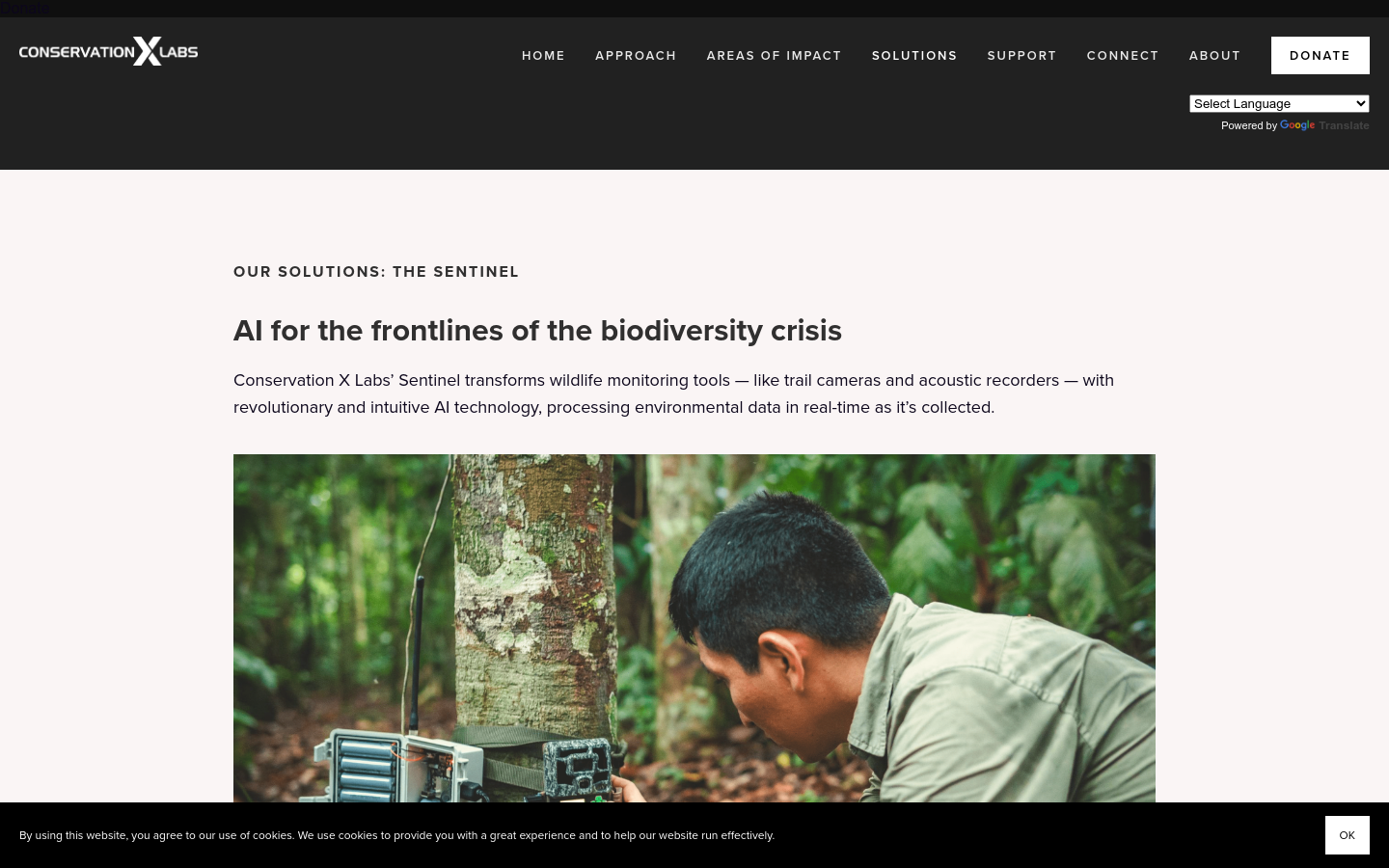
Conservation X Labs’ Sentinel transforms wildlife monitoring tools — like trail cameras and acoustic recorders — with revolutionary and intuitive AI technology, processing environmental data in real-time as it’s collected.

Our program mixes the best of both Washington and Silicon Valley, bringing together stakeholders in policy and technology to train the next generation of policy entrepreneurs.