Transparency & Accountability Initiative Grants Database
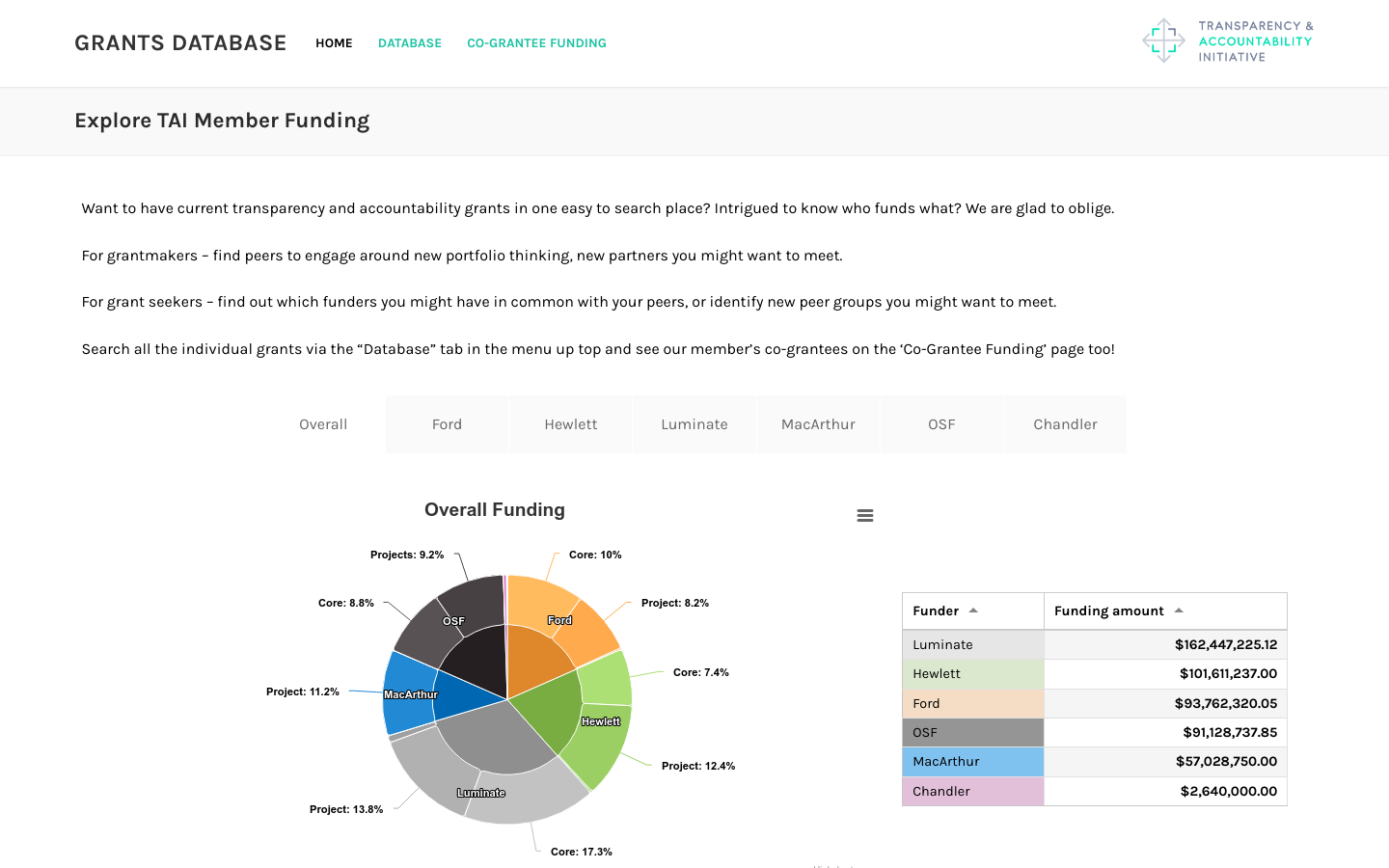
Includes funding from Ford, Hewlett, Luminate, MacArthur, OpenSocietyFoundation, and Chandler foundations totaling over half a billion dollars
Supports the creation of a prototype Open Knowledge Network — an essential public-data infrastructure to power the next information revolution.
This program supports the creation of a prototype Open Knowledge Network — an interconnected network of knowledge graphs supporting a very broad range of application domains. Open access to shared information is essential for the development and evolution of artificial intelligence (AI) and AI-powered solutions needed to address the complex challenges facing the nation and the world. Knowledge graphs, which represent relationships among real-world entities, provide a powerful approach for organizing, representing, integrating, reusing, and accessing data from multiple structured and unstructured sources using ontologies and ontology alignment. Currently, private-sector investments in knowledge graphs power numerous consumer applications including web search, e-commerce, banking, drug discovery, advertising, etc. Undertaking a similar but inclusive, open, and community-driven effort and making use of publicly available data holds the potential to create a platform that would empower government and non-government users — fueling evidence-based policymaking, continued strong economic growth, game-changing scientific breakthroughs, while addressing complex societal challenges from climate change to social equity.

Includes funding from Ford, Hewlett, Luminate, MacArthur, OpenSocietyFoundation, and Chandler foundations totaling over half a billion dollars
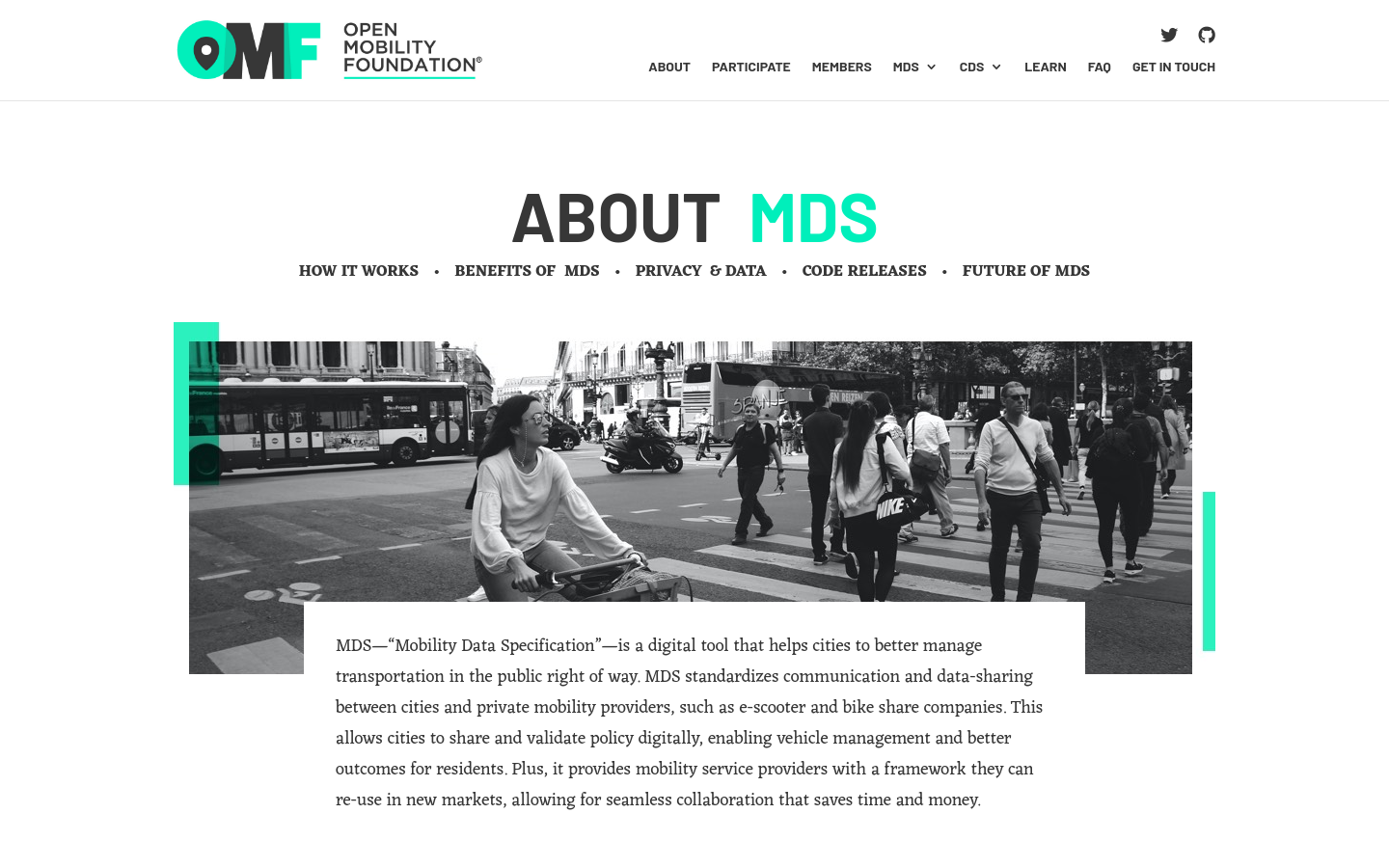
MDS standardizes communication and data-sharing between cities and private mobility providers, such as e-scooter and bike-share companies.

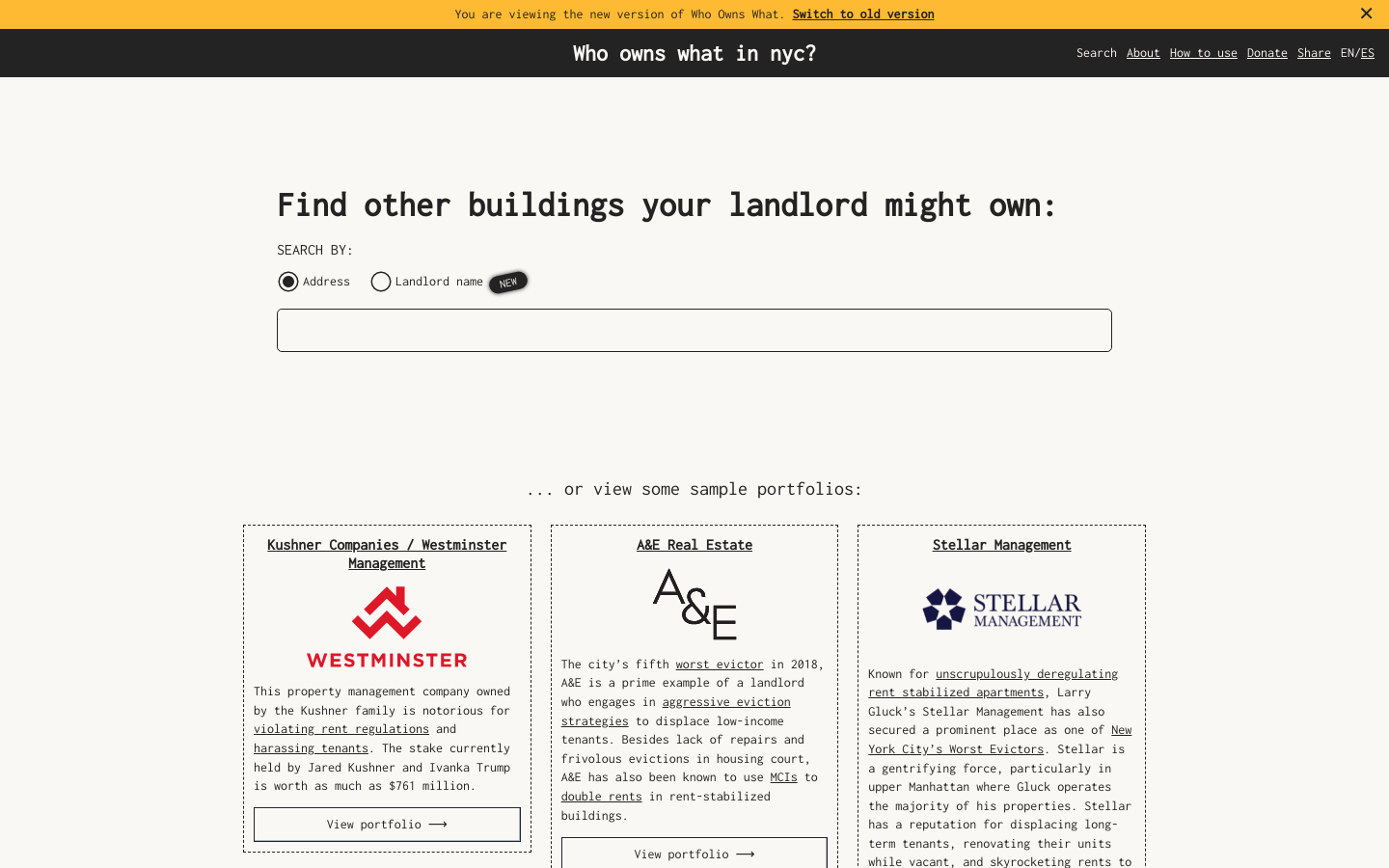
Use this free tool from JustFix to research your building and investigate landlords! We use property ownership mapping to identify a landlord's portfolio

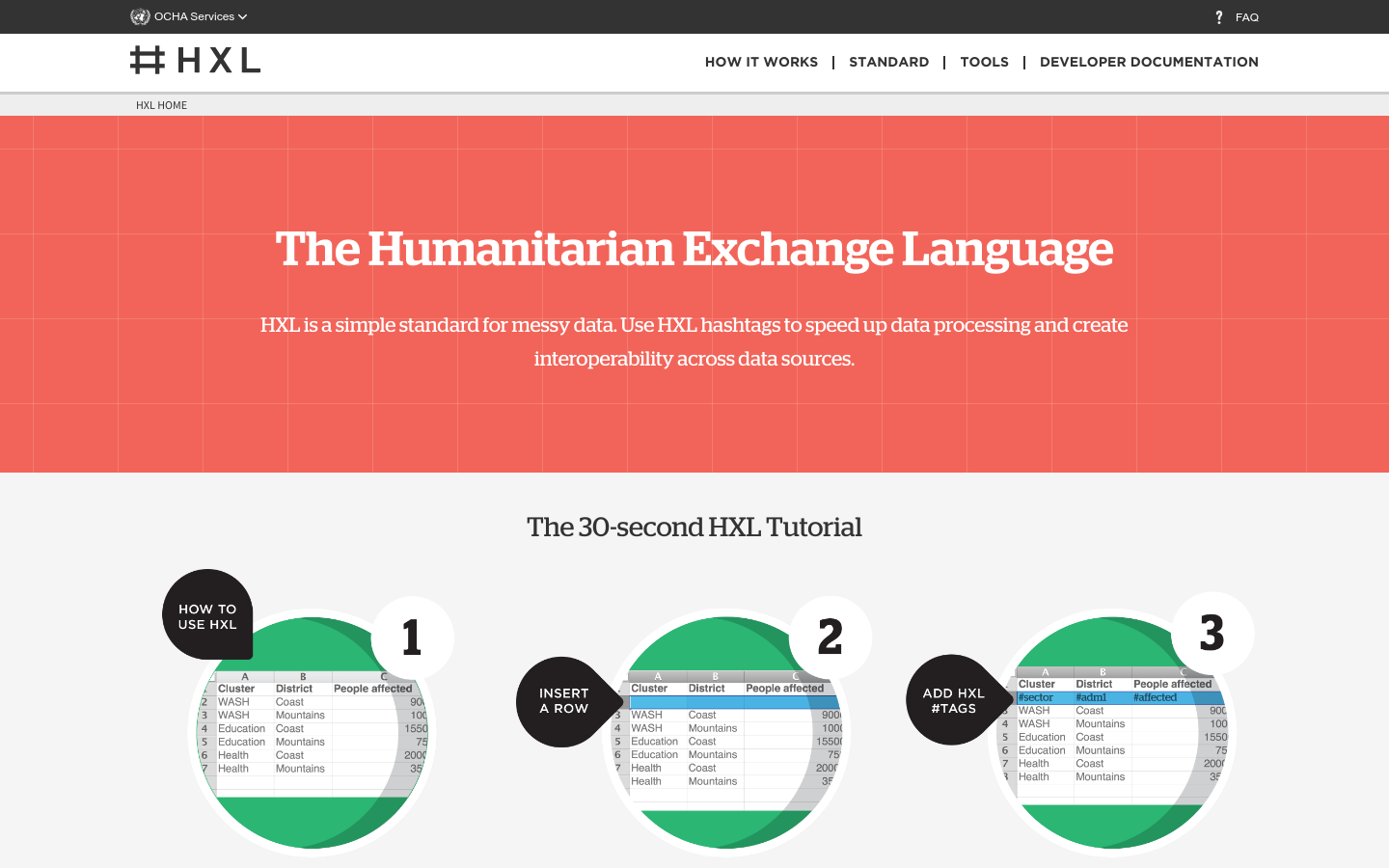
HXL is a different kind of data standard, designed to improve information sharing during a humanitarian crisis without adding extra reporting burdens.