IAP2 Training Programs
IAP2 carries out its mission to advance and extend the practice of public participation by organizing and conducting professional development activities to serve the learning needs of members.
Denver
trainings

In other words, it is still “business as usual”. This book questions whether Web 2.0 could help enhance citizens’ political participation.
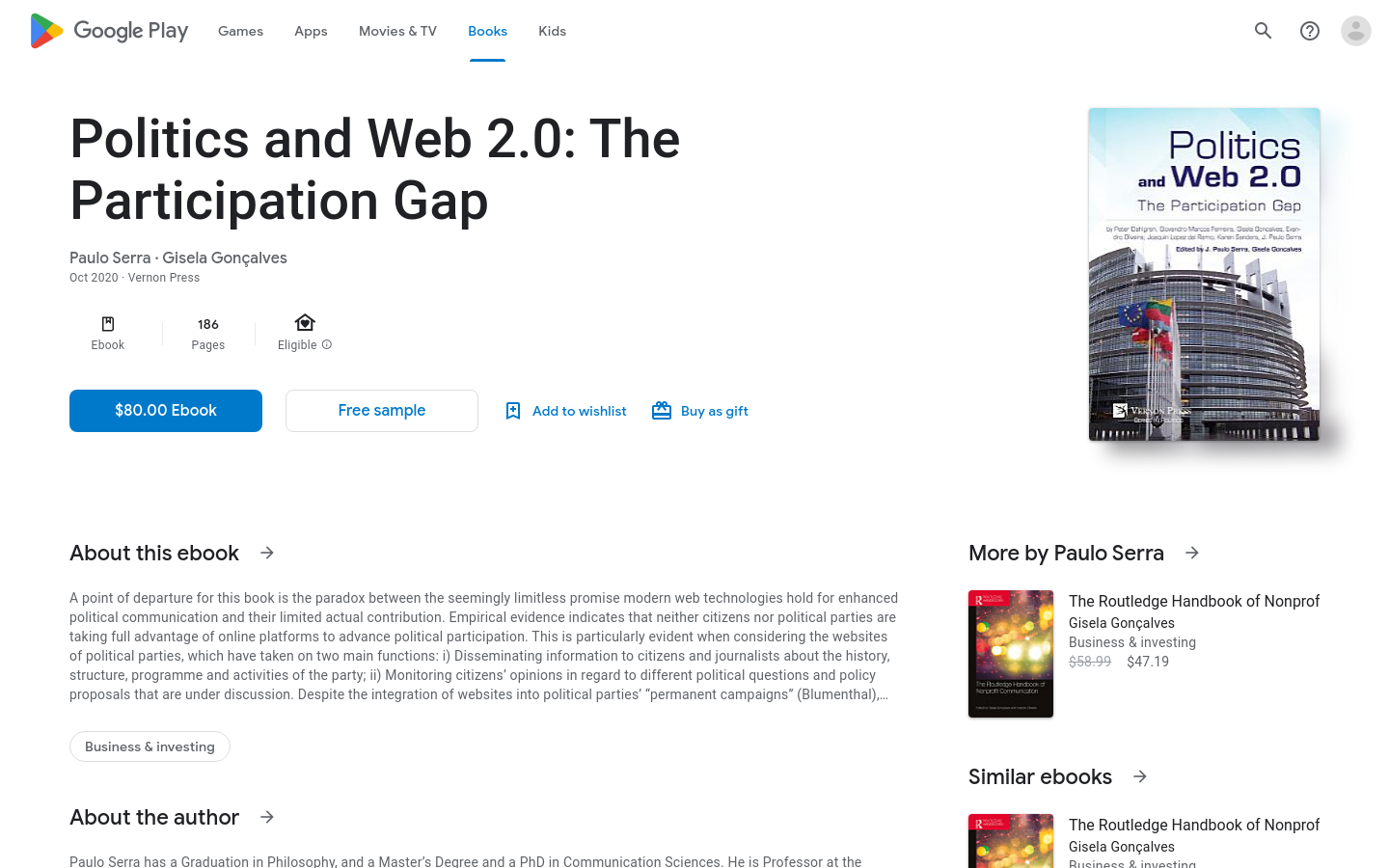
A point of departure for this book is the paradox between the seemingly limitless promise modern web technologies hold for enhanced political communication and their limited actual contribution. Empirical evidence indicates that neither citizens nor political parties are taking full advantage of online platforms to advance political participation. This is particularly evident when considering the websites of political parties, which have taken on two main functions: i) Disseminating information to citizens and journalists about the history, structure, programme and activities of the party; ii) Monitoring citizens’ opinions in regard to different political questions and policy proposals that are under discussion. Despite the integration of websites into political parties’ “permanent campaigns” (Blumenthal), television continues to be seen as the core medium in political communication and one-way and top-down communication strategies still prevail. In other words, it is still “business as usual”. This book questions whether Web 2.0 could help enhance citizens’ political participation. It offers a critical examination of the current state of the art from diverse perspectives, highlights persisting gaps in our knowledge and identifies a promising stream of further research. The ambition is to stimulate debate around the party-citizen "participation mismatch" and the role and place of modern web technologies in this setting. Each of the included chapters provide valuable explorations of the ways in which political parties motivate, make use of and are shaped by citizen participation in the Web 2.0 era. Diverse perspectives are employed, drawing examples from several European political systems and offering analytical insights at both the individual/micro level and at broader, macro or inter-societal systems level. Taken together, they offer a balanced and thought-provoking account of the political participation gap, its causes and consequences for political communication and democratic politics, as well as pointing the way to new forms of contemporary political participation.
Paulo Serra, Gisela Gonçalves
IAP2 carries out its mission to advance and extend the practice of public participation by organizing and conducting professional development activities to serve the learning needs of members.

Common Good AI is a tech non-profit organization dedicated to building common ground for the common good.
Free tool to gather opinions and simplify participation.
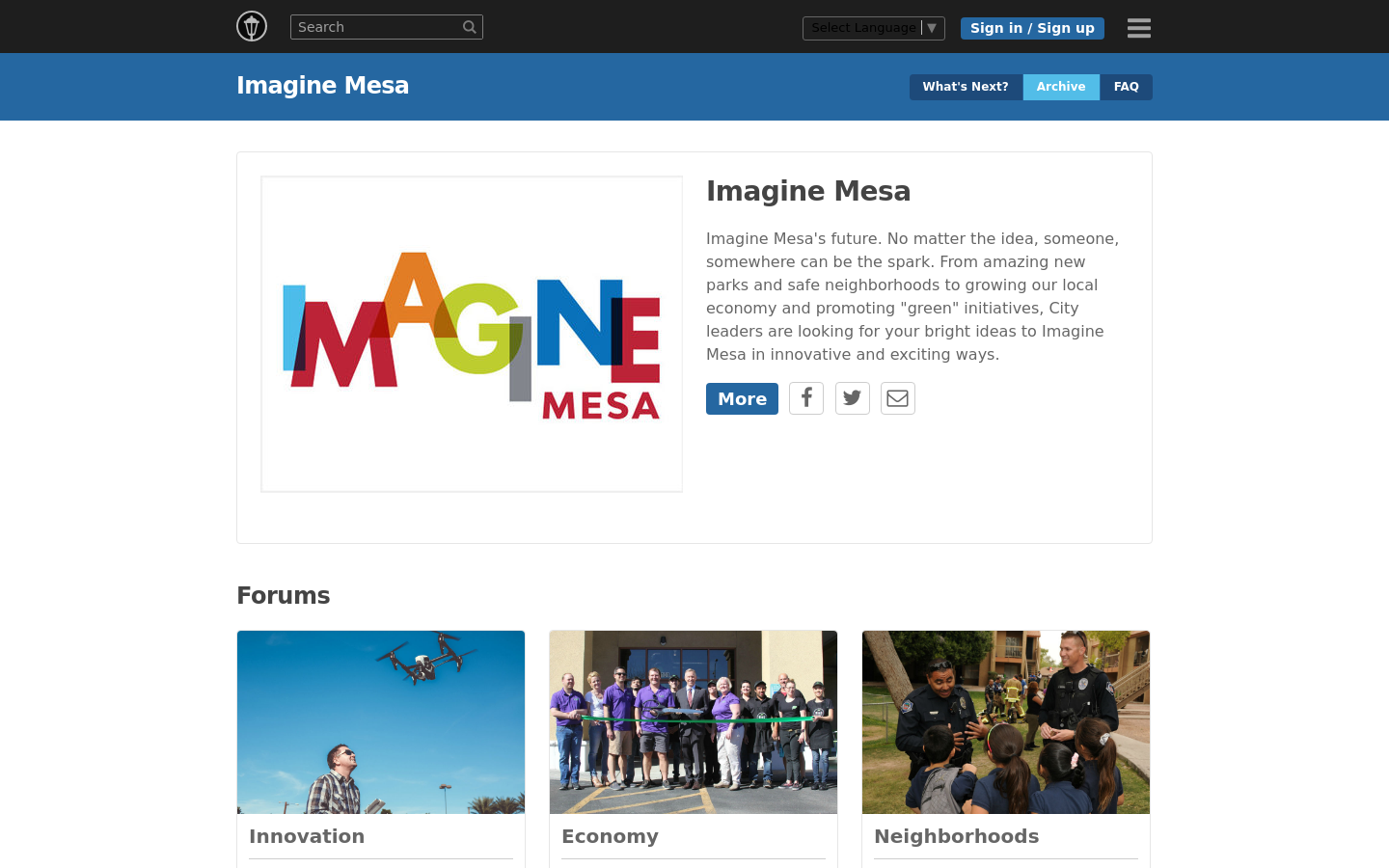
Neighborland instance. From amazing new parks and safe neighborhoods to growing our local economy and promoting green initiatives, City leaders are looking for your bright ideas to Imagine Mesa in innovative and exciting ways.
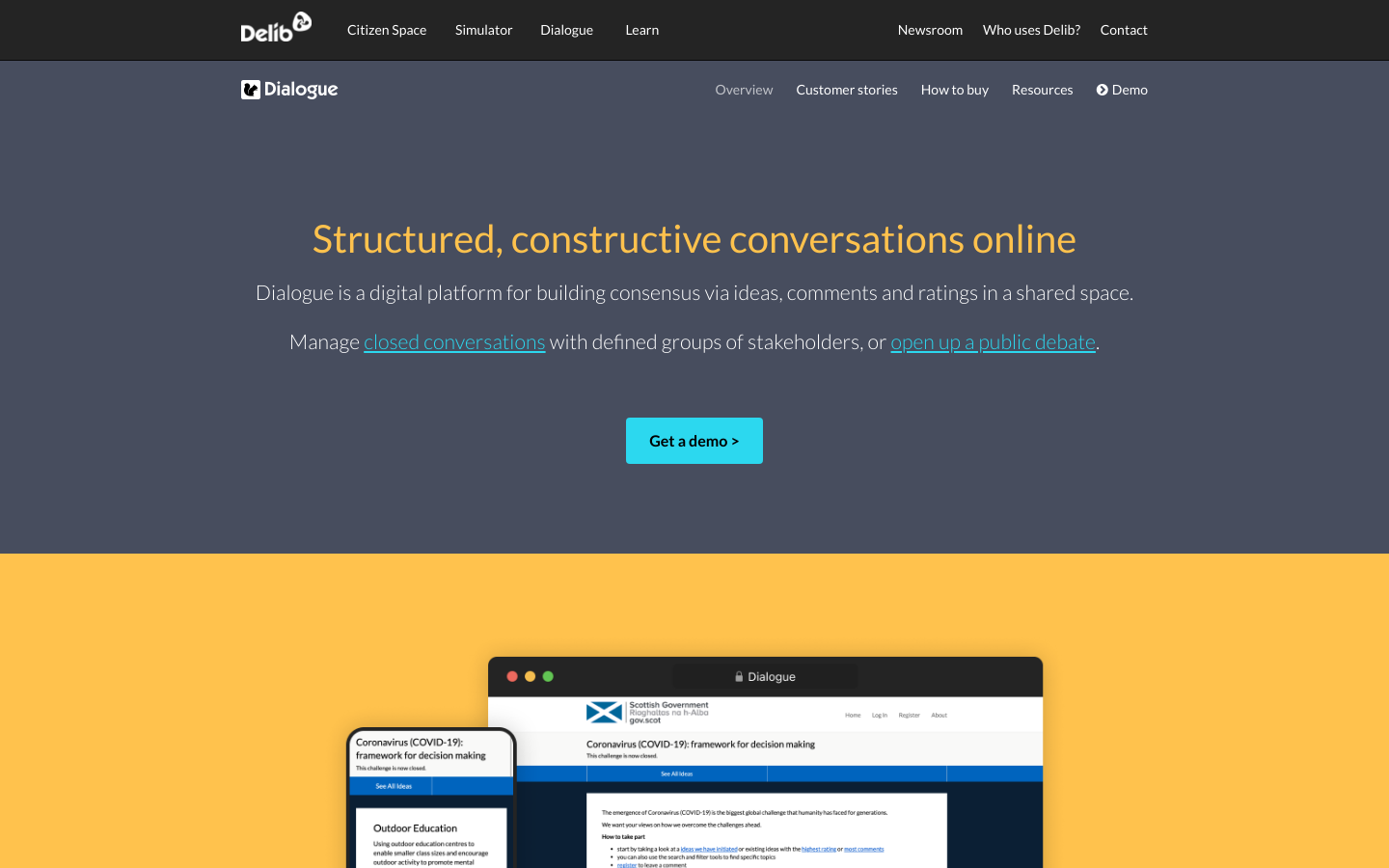
Dialogue is a digital platform for building consensus via ideas, comments and ratings in a shared space. Manage closed conversations with defined groups of stakeholders, or open up a public debate.