Based in marginalized neighborhoods in Charlotte, North Carolina, Detroit, Michigan, and Los Angeles, California, we look at digital data collection and our human rights, work with local communities, community organizations, and social support networks, and show how different data systems impact re-entry, fair housing, public assistance, and community development.
> Our Data Bodies, is an education project run by researchers and organizers in Los Angeles; Detroit; Charlotte, N.C.; and other cities. It has worked to teach communities of color how their personal data is collected and used by tech firms and government agencies. This year, it hosted virtual trainings for community organizers to teach them how to fight potentially harmful technologies like facial recognition.
We are a five-person team concerned about the ways our communities' digital information is collected, stored, and shared by government and corporations. Based in marginalized neighborhoods in Charlotte, North Carolina, Detroit, Michigan, and Los Angeles, California, we look at digital data collection and our human rights, work with local communities, community organizations, and social support networks, and show how different data systems impact re-entry, fair housing, public assistance, and community development.
This work is made possible in part by a grant from Digital Trust Foundation.
Publishers of the [Digital Defense Playbook](https://www.odbproject.org/tools/).
The Digital Trade Alliance is a collaborative effort of digital rights and consumer groups assembled in 2018. The Alliance model provides effective advice and expertise to us in order to structure the transnational debate on digital trade.
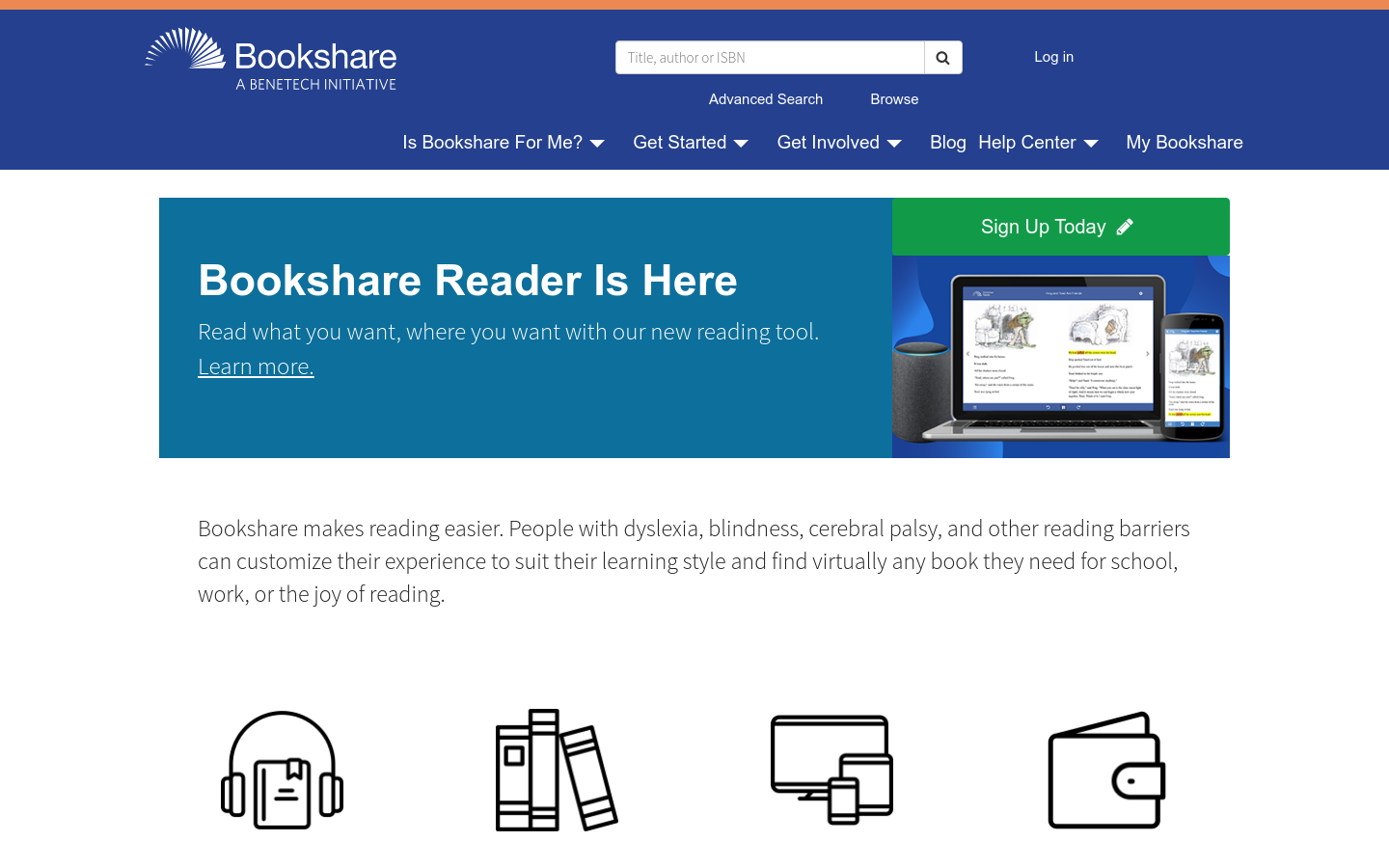
Bookshare makes reading easier. People with dyslexia, blindness, cerebral palsy, and other reading barriers can customize their experience to suit their learning style and find virtually any book they need for school, work, or the joy of reading.
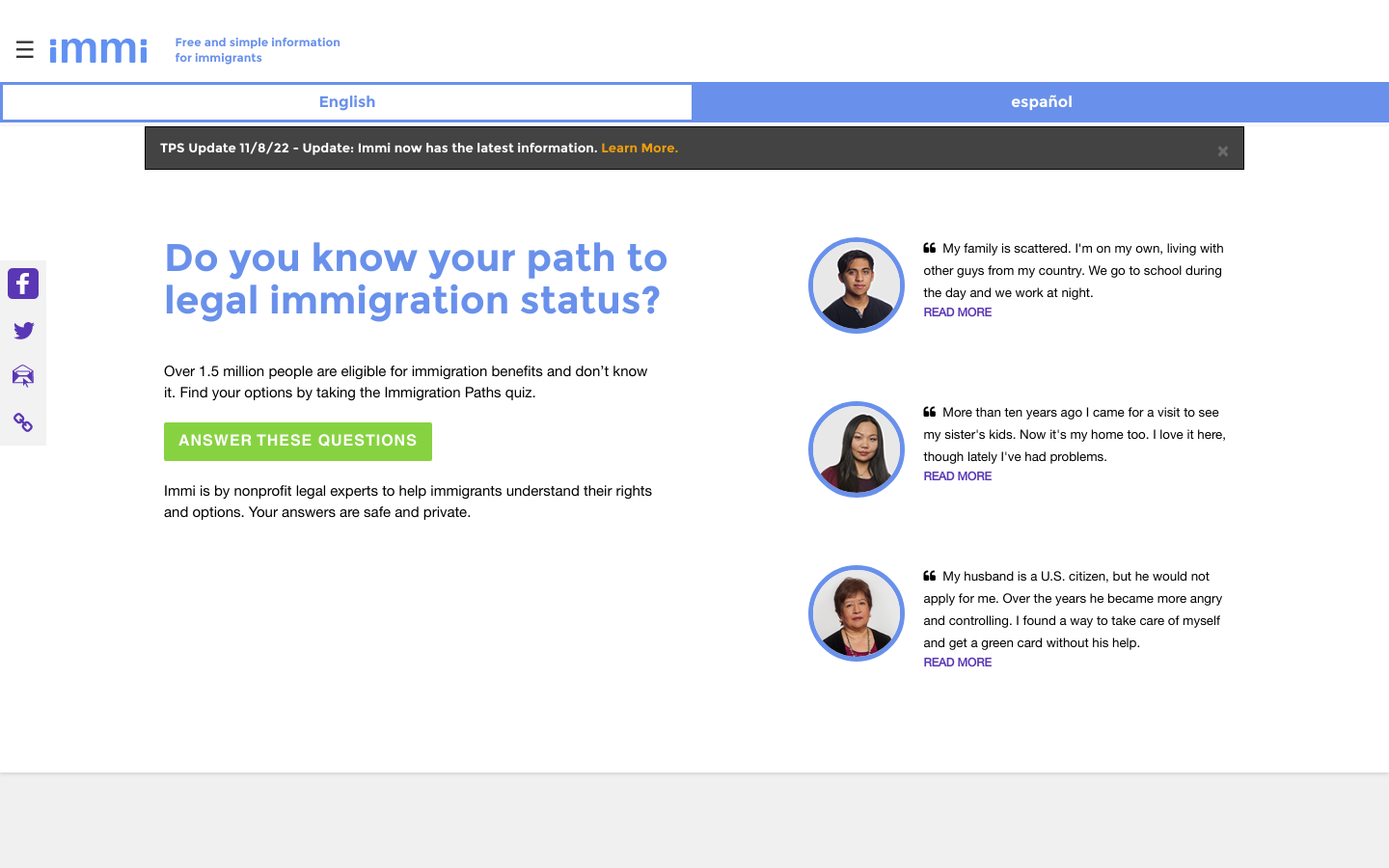
Immi helps immigrants understand their rights and options during the immigration process. The website’s guided process helps users determine their path to legal immigration, and offers a list of organisations and self-help resources.
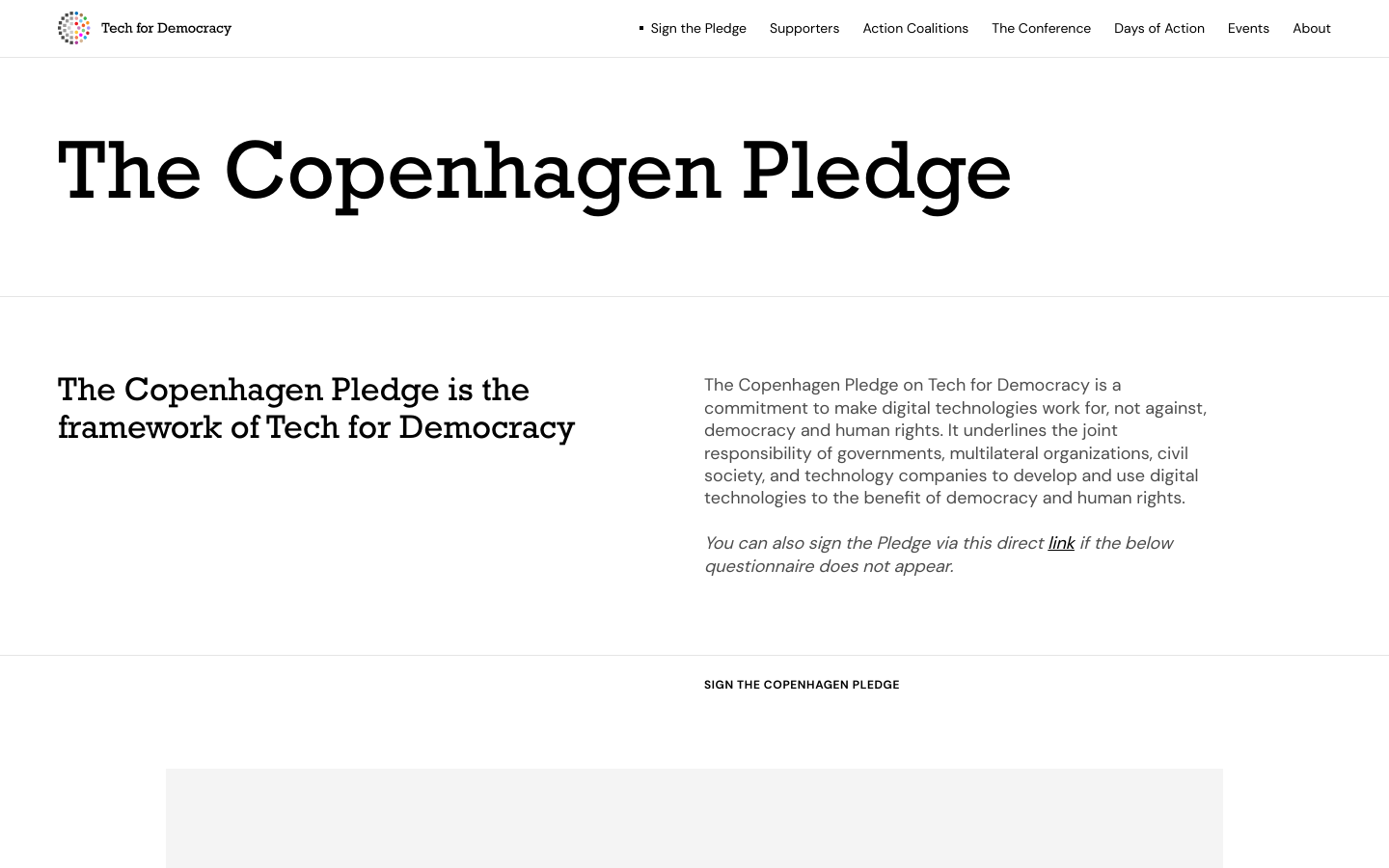
A commitment to make digital technologies work for, not against, democracy and human rights. It underlines the joint responsibility of governments, multilateral organizations, civil society, and technology companies to develop and use digital technologies to the benefit of democracy and human rights.