Mobility Data Specification (MDS)
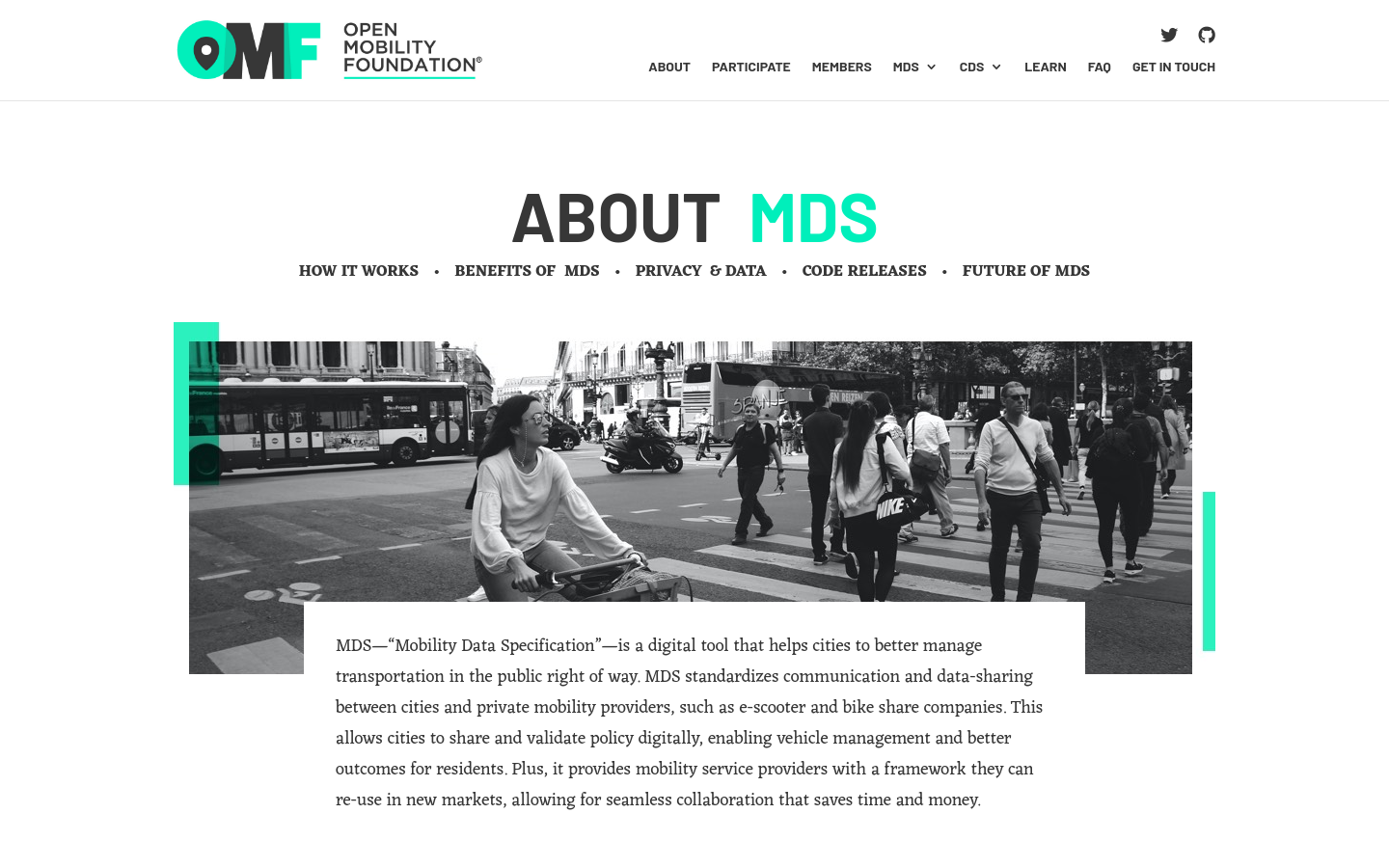
MDS standardizes communication and data-sharing between cities and private mobility providers, such as e-scooter and bike-share companies.
USA
mobility, city, Sustainable cities and communities

The IATI Standard is a set of rules and guidance about what data organisations should publish and what format it should be presented in.
The Standard has been to created to deliver information required to improve the coordination, accountability and effectiveness to maximise their impact on the world's poorest and most vulnerable people. A range of organisations can be IATI publishers, from governments, multilateral institutions, private sector and civil society organisations and others, to increase the transparency of information on resources flowing into developing countries. The IATI Standard allows organisations to provide detailed information for decision-making and accountability.
1,112,526 Development and humanitarian activities published to the IATI Standard 1,302 IATI publishers that contribute data for decision-making and accountability (Source) — 2021-10
Parent organization: International Aid Transparency Initiative
MDS standardizes communication and data-sharing between cities and private mobility providers, such as e-scooter and bike-share companies.
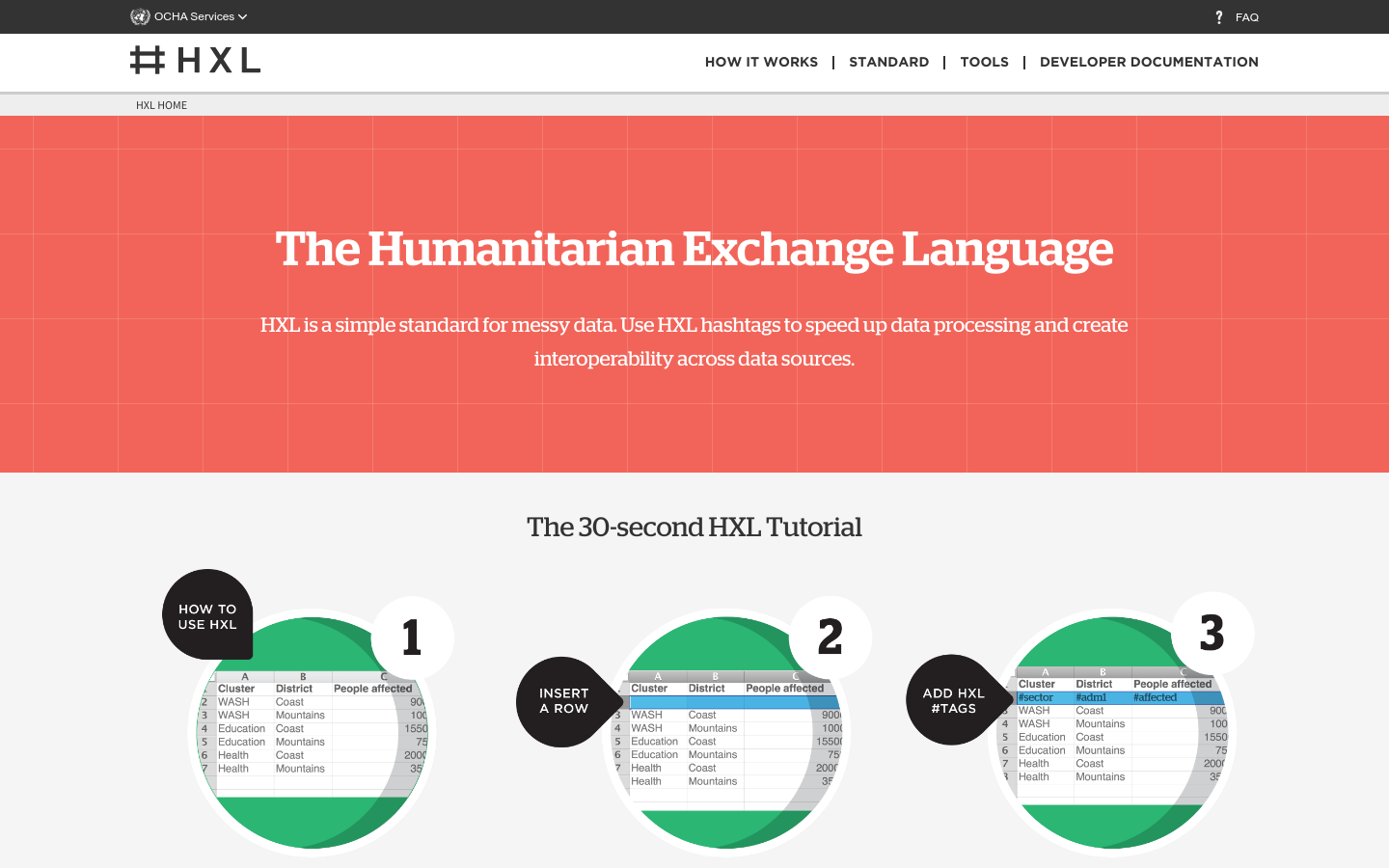
HXL is a different kind of data standard, designed to improve information sharing during a humanitarian crisis without adding extra reporting burdens.
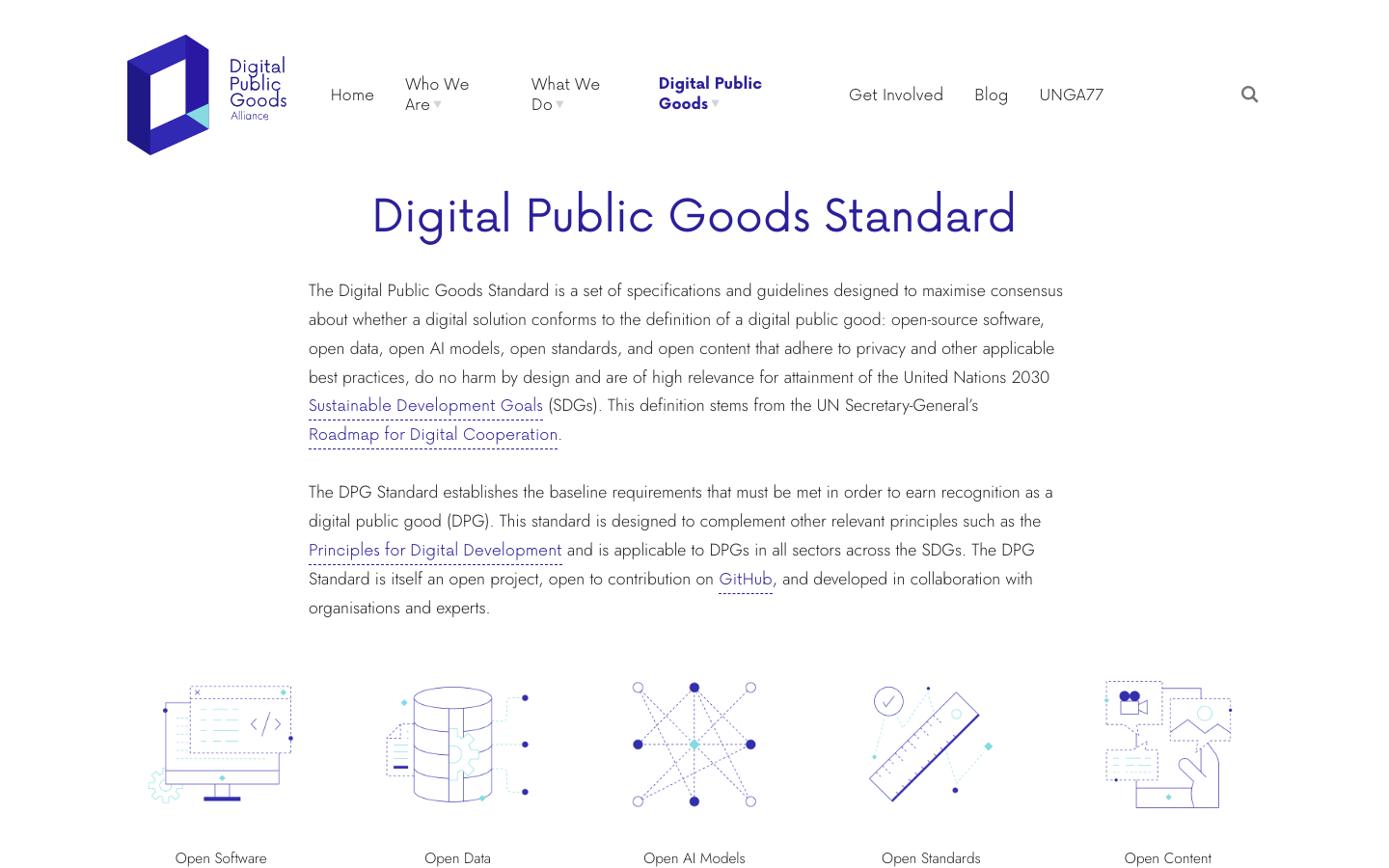
The Digital Public Goods Standard is a set of specifications and guidelines designed to maximise consensus about whether a digital solution conforms to the definition of a digital public good: open-source software, open data, open AI models, open standards, and open content that adhere to privacy and other applicable best practices, do no harm by design and are of high relevance for attainment of the United Nations 2030 Sustainable Development Goals (SDGs).
CityGML is an open data model and XML-based format for the storage and exchange of virtual 3D city models.