Government hasn’t kept pace with advances in technology. Only 13% of major government software projects succeed, and the successful and failed ones alike cost 5–10 times more than they should. When these projects fail, so too do the public policy initiatives that depend on them — unemployment insurance, DMVs, healthcare exchanges, paid family & medical leave, etc. — leaving behind the millions of Americans who rely on those programs.
We’ve seen in the response to the COVID-19 crisis that even if lawmakers move quickly to pass legislation to get money to laid-off workers, small businesses, and hospitals, those policies can’t be implemented effectively when the technology tools used to apply for, distribute, and track funds can’t be easily modified or don’t work.
This is particularly evident at the state level. States all provide the same general services to the public, but they rarely hold the legal rights to the software underlying those services. The result is that when a state manages to build software that works well, they cannot easily share that software with other states Some software sharing is done on an ad-hoc basis, but governance structures are difficult to set up, and are reinvented each time. The most common way that software is “shared” is when the vendor that built it then sells it to other agencies as “commercial, off-the-shelf” software that still requires extensive customization. The result is that states end up with several sub-optimal outcomes: 1) they don’t own the software needed to carry out their mission; 2) they’ve committed to a customized system that can’t be easily or automatically updated; and 3) they lose the ability to benefit from competition among vendors for better price and service terms.
States’ over-complex procurement processes result in insurmountable barriers for new software providers and insufficient competition. To date, the federal government, which funds a substantial portion of state technology modernization efforts, has been slow to intervene or create better incentives.
Individual modules Citizen-Centred Service Design Becoming Citizen-Centric Public Service Delivery Fundamentals Listening to and Understanding Citizens Continuous Service Improvement Becoming an Inclusive Leader Building Service Culture Effective Service Delivery Management
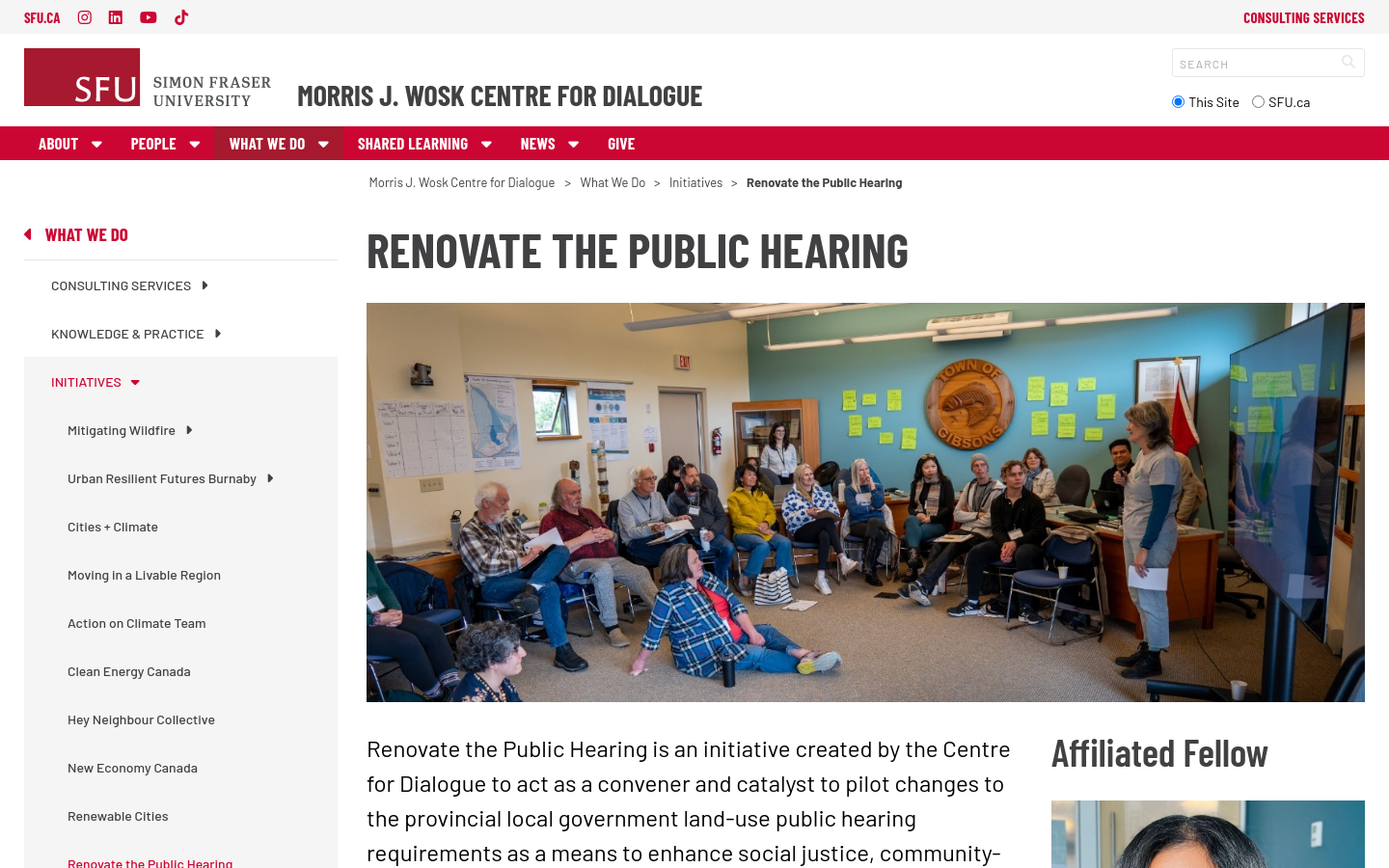
Renovate the Public Hearing is an initiative created by the Centre for Dialogue to act as a convener and catalyst to pilot changes to the provincial local government land-use public hearing requirements as a means to enhance social justice, community-building and strengthen democratic culture.
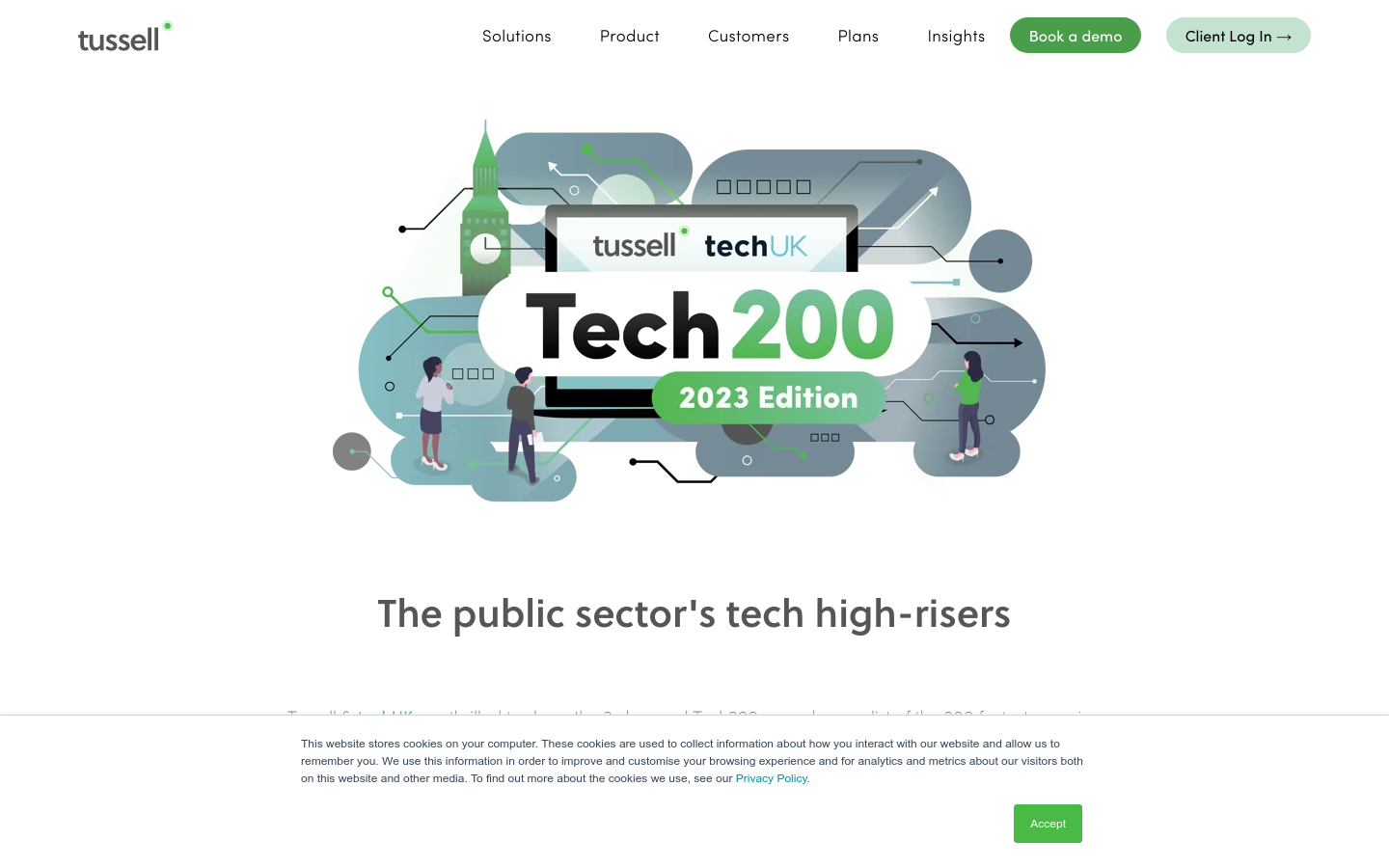
Tussell & techUK are thrilled to share the 3rd annual Tech200 awards - our list of the 200 fastest-growing technology companies in the UK public sector, from FY 2021/22 to FY 2022/23.
Aspen Digital and the Aspen Policy Academy are launching a new program for Rising Civic AI Leaders to educate newly hired state and local government employees in charge of managing the adoption and implementation of AI-driven tools.
Aspen Institute, Massachusetts Avenue Northwest, Washington, DC, USA
The Future of Government Awards champions practitioners, teams and leaders who are transforming people’s lives by applying digital solutions and leveraging technology to reform the public sector for those it serves.