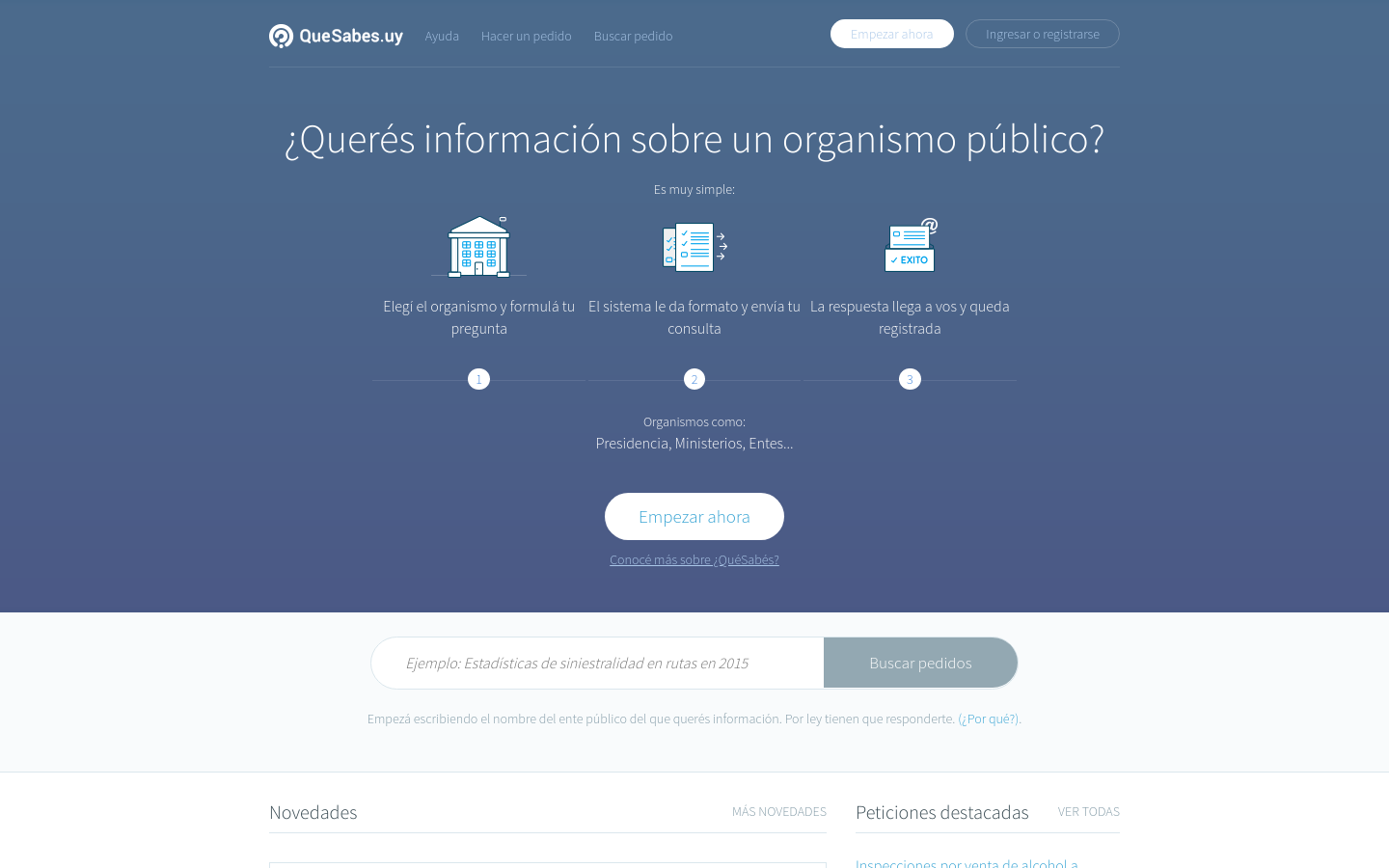
Qué Sabés
Realiza una solicitud de información o mira las ya realizadas

"By conducting a national-scale field experiment among 949 provincial-level agencies in China....results show that legal regulative pressure and social normative pressure make agencies more likely to respond within the legal timeframe and provide the requested information."
Public agencies face diverse expectations from external actors regarding their responsiveness. However, systemic research explaining how institutional pressures arising from these expectations, particularly formal rules and informal norms, motivate public agencies to respond remains limited. By conducting a national-scale field experiment among 949 provincial-level agencies in China, this study tests the effect of regulative pressure from formal rules and normative pressure from informal norms on their responses to freedom of information requests. The results show that legal regulative pressure and social normative pressure make agencies more likely to respond within the legal timeframe and provide the requested information. Legal regulative pressure and professional normative pressure increase the likelihood of agencies providing additional information beyond the requested information. The findings suggest the critical roles that institutional pressures play in enhancing various degrees and aspects of bureaucratic responsiveness, with pressure from formal rules being more effective in enhancing responsiveness than informal norms.
Wenting Yang
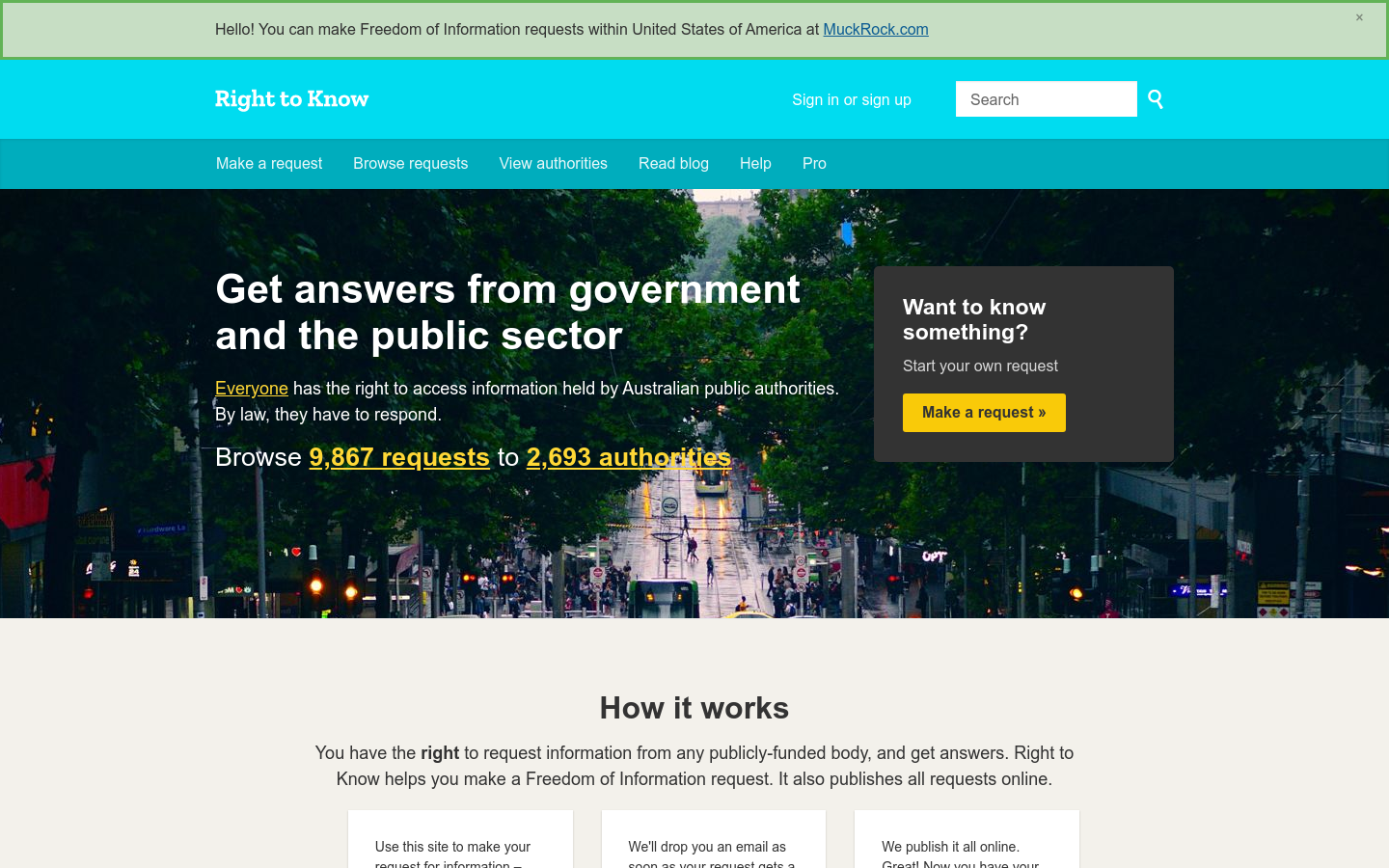
Alaveteli instance for Australia
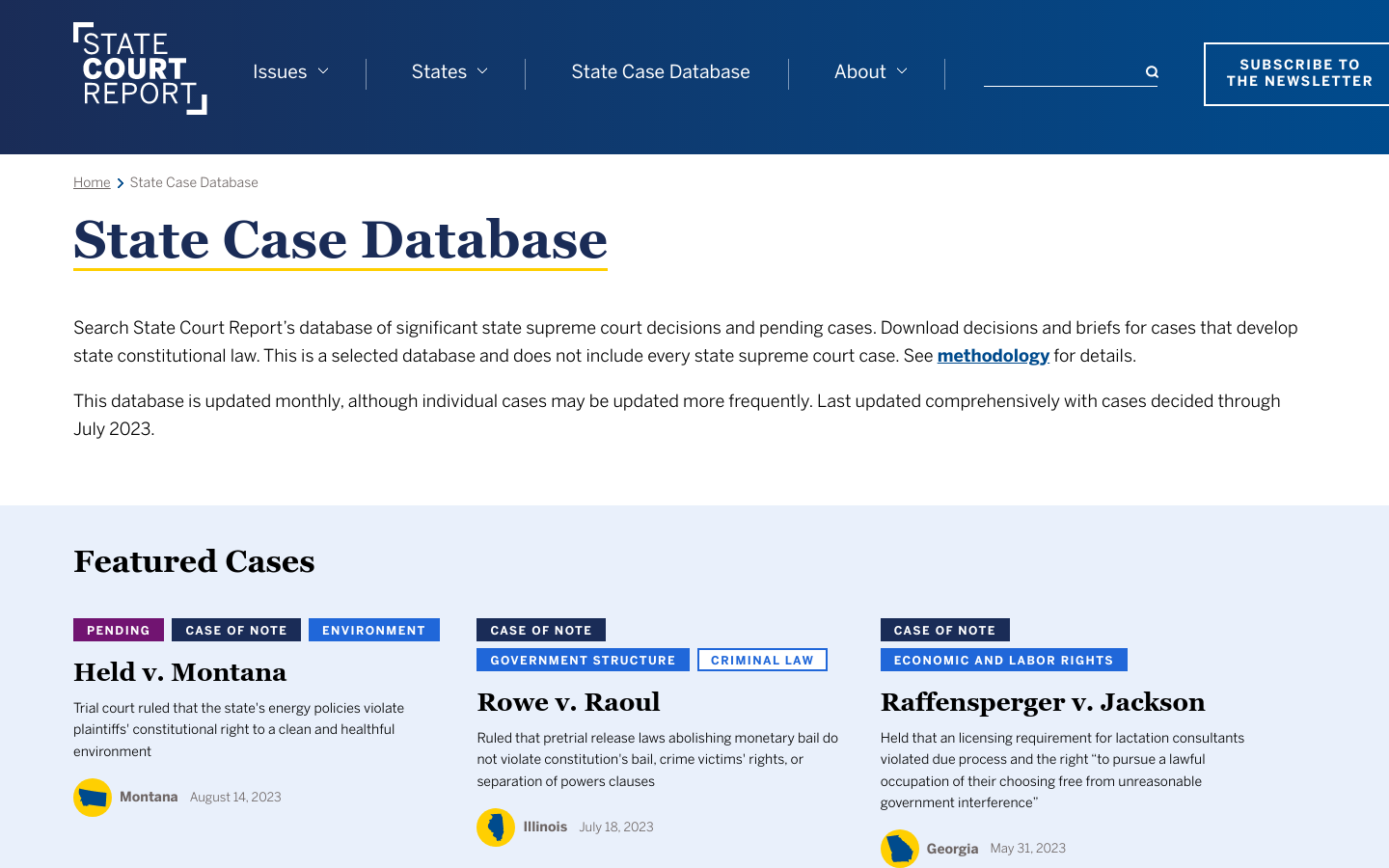
Search State Court Report’s database of significant state supreme court decisions and pending cases. Download decisions and briefs for cases that develop state constitutional law.