Future-Proofing Congress
How Member-Led Upgrades Are Optimizing Legislative Branch Capacity and Resilience
USA

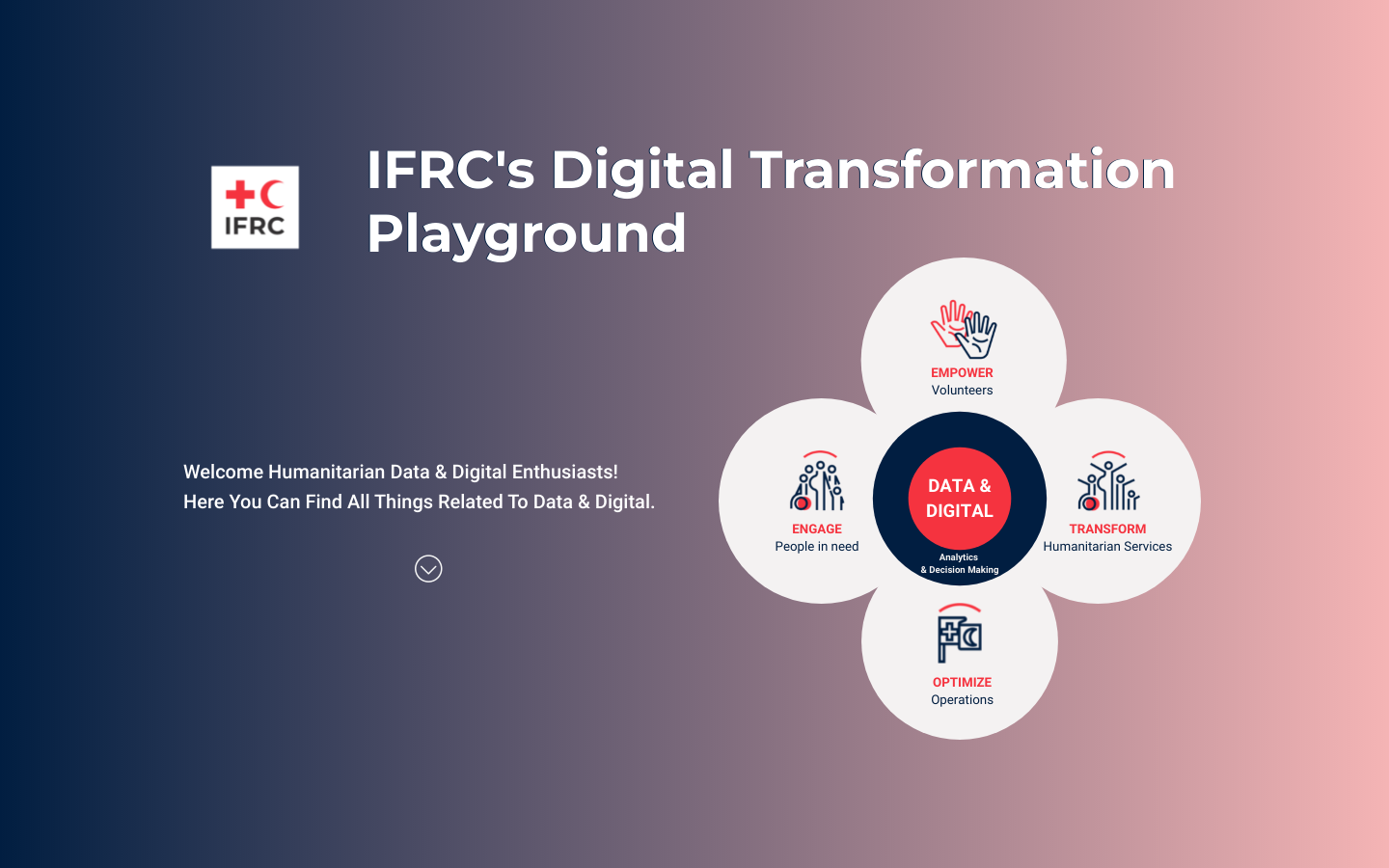
Welcome Humanitarian Data & Digital Enthusiasts! Here You Can Find All Things Related To Data & Digital.
Under Strategy 2030, the IFRC and its member National Societies need to design digital transformation strategies and roadmaps. Doing so requires identifying and understanding the current and potential future challenges as well as the current strengths and opportunities. Our transformative action focuses on embracing and integrating the necessary culture and technology to support a wholescale, equitable digital transformation. This will include building data and digital literacy and forming purposeful partnerships with a wide range of actors. This Digital Transformation Strategy intends to develop and implement a standard for the digital delivery of humanitarian assistance in line with our fundamental principles and by NS. The focus is on strengthening the delivery of humanitarian services. The Digital Transformation Strategy therefore prioritises investments to improve relevance, speed, quality, accessibility and resilience of humanitarian services to people in need. Second, the aim is to increase the sustainability of our humanitarian mandate and with it, performance, technical, social, and resource accountabilities. Our Digital Transformation is a journey for a digital world rather than a specific destination. The Digital Transformation Strategy was formally adopted by the Governing Board on 19 May 2021. Meanwhile, implementation planning and piloting are already underway and supported through a dedicated effort from both NS and IFRC.
How Member-Led Upgrades Are Optimizing Legislative Branch Capacity and Resilience
An annual survey and report by Data Foundation

The Digital Maturity Indicator (DMI) is a tool to help organisations measure, benchmark and improve their digital maturity across six key areas.
It was conceived in 2007 as an annual gathering to bring together academia, governments, international organisations, civil society, and industry to share the latest insights and experiences in the theory and practice of Electronic Governance (now more commonly referred to as Digital Governance).