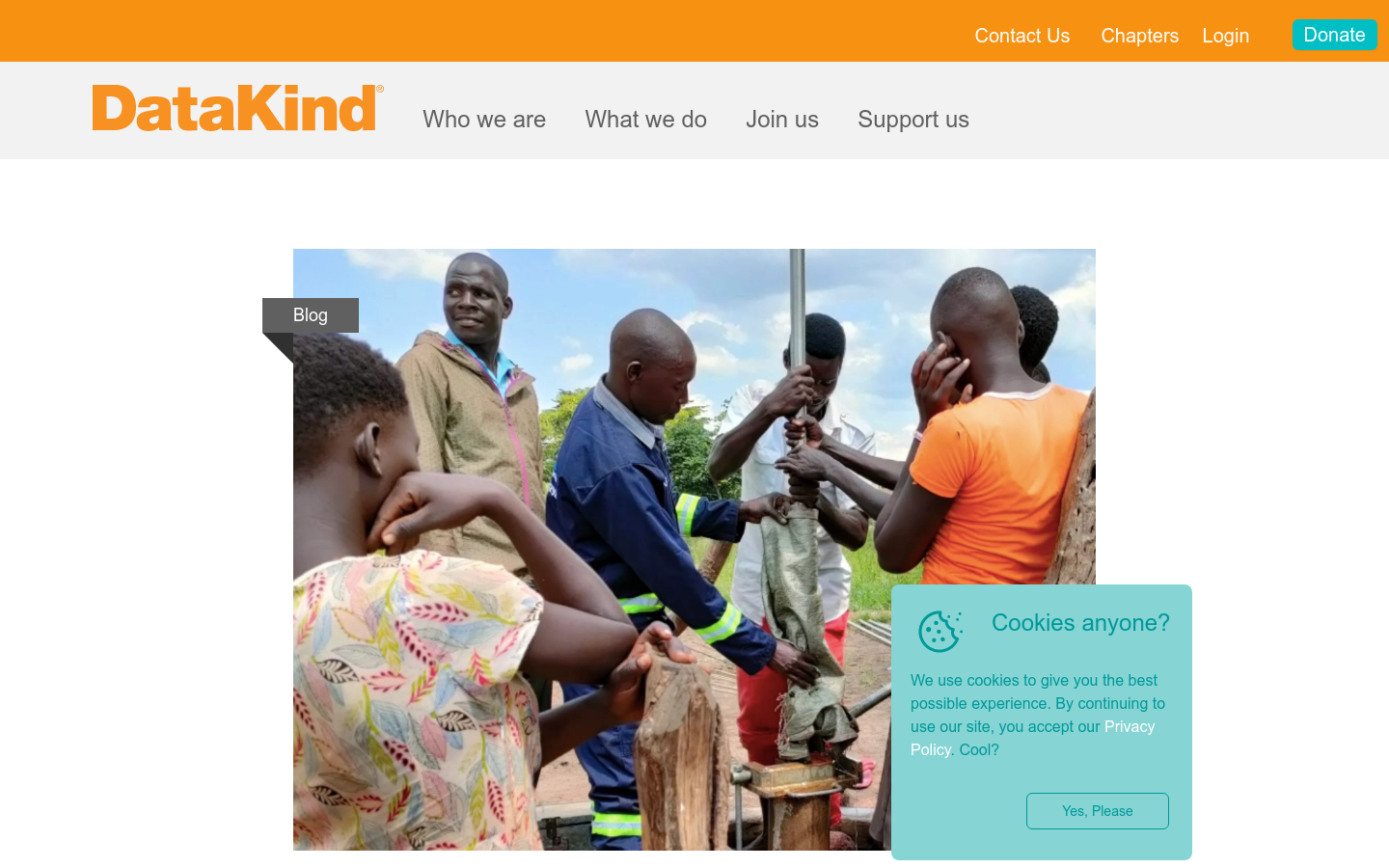
Predicting Well Groundwater Quality Using Cloud-Based Machine Learning: DataKind San Francisco Partners with Aquaya and DataKind
A writeup of the partnership
New York City
Clean water and sanitation

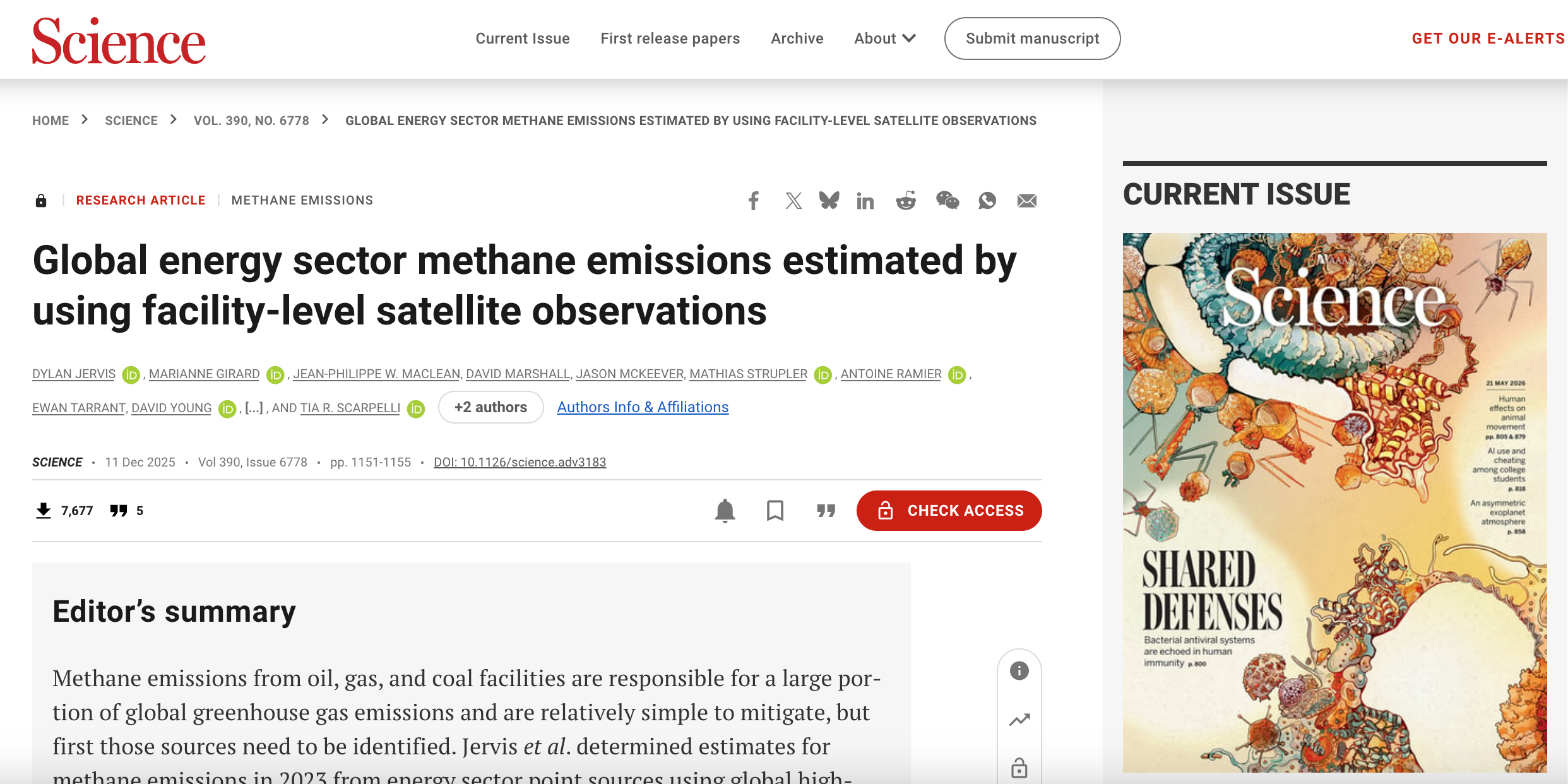
Global energy sector methane emissions estimated by using facility-level satellite observations
Methane emissions from energy sector facilities (oil, gas, and coal) represent a substantial contribution to greenhouse gas emissions with substantial mitigation potential. We estimated global 2023 methane emissions from energy sector point sources using the high spatial resolution GHGSat satellite constellation. GHGSat detected 8.30 +/- 0.24 million tonnes per year of methane emissions from 3114 emission sites. Detected oil and gas– and coal-emitting sites were found to be emitting 16 and 48% of the time, respectively, above GHGSat’s detection limit without obvious continental variation. Compared with the Global Fuel Exploitation Inventory (GFEIv3) estimate, GHGSat’s estimate comprises 12% of GFEIv3′s total emissions, or 24% over GHGsat-observed locations, with good spatial correlation at the country scale but only weak spatial correlation at 0.2°-×-0.2° grid cell scale.
A writeup of the partnership

A Feminist AI Research network that gathers a cohort of social scientists, economists, and activists, side by side with data, machine learning and computer scientists to discuss how to fix the system and leverage AI for women’s rights.
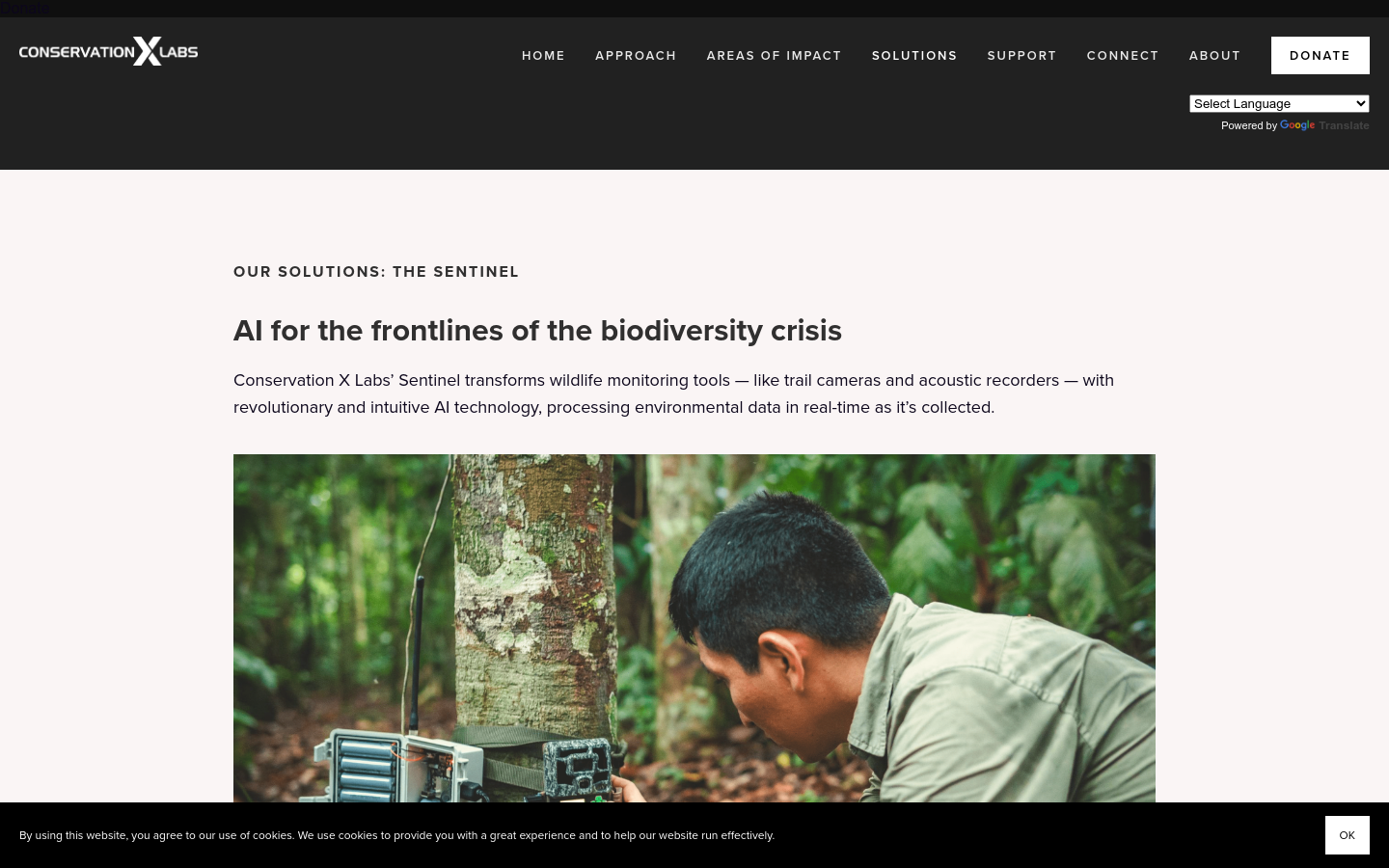
Conservation X Labs’ Sentinel transforms wildlife monitoring tools — like trail cameras and acoustic recorders — with revolutionary and intuitive AI technology, processing environmental data in real-time as it’s collected.

Our program mixes the best of both Washington and Silicon Valley, bringing together stakeholders in policy and technology to train the next generation of policy entrepreneurs.