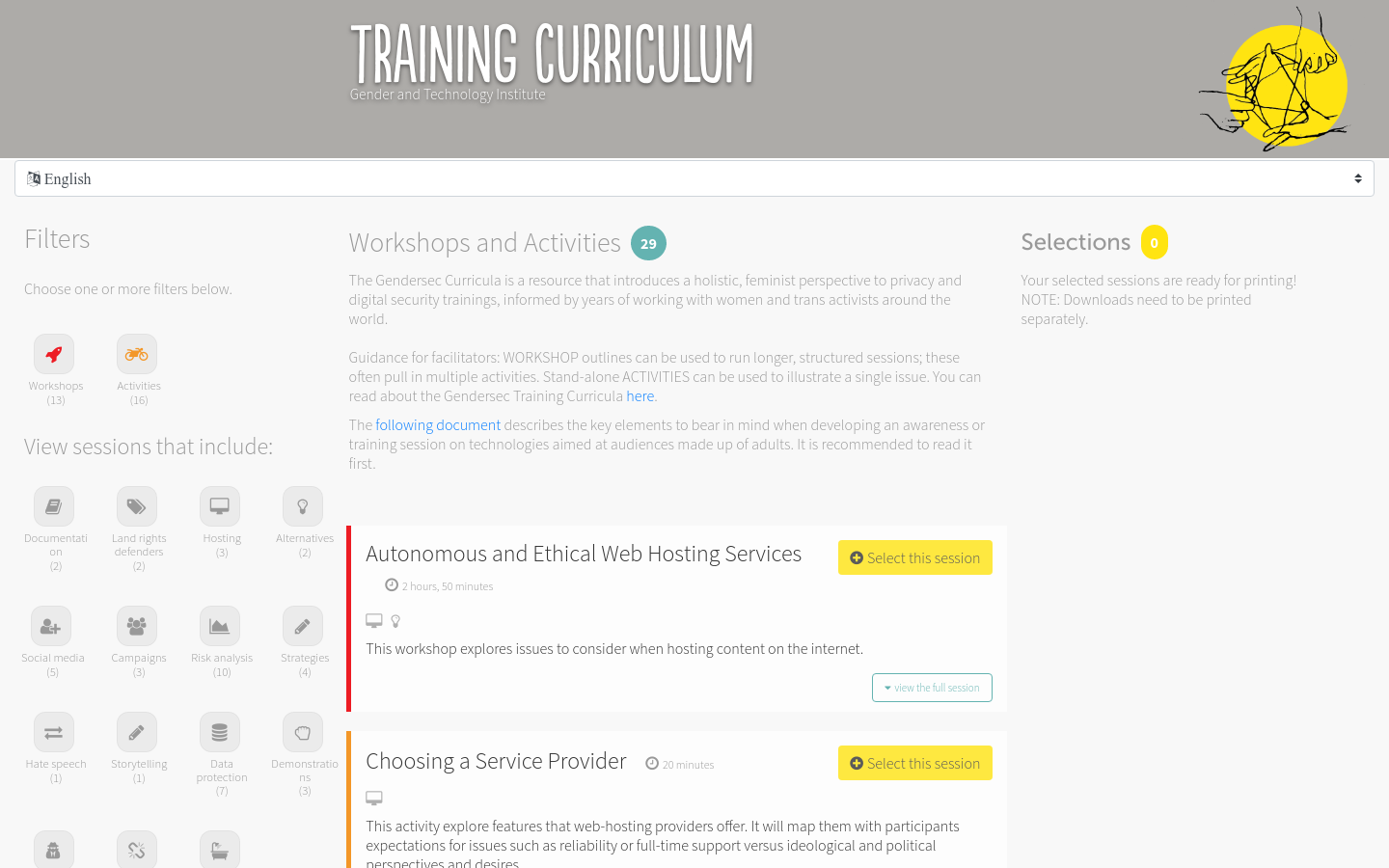
In partnerships with local and international organisations, each GTI has further developed specific facilitation methodologies and training contents addressing the risks, attacks and contexts faced by activist women in the region.
Since 2014 we have been running a series of training events called the "Gender and Technology Institutes" (GTI), which were oriented towards women activists, women human rights defenders and LGBTIQ, and have taken place around the world in Germany, Nicaragua, Ecuador, Spain, Panama, Skri Lanka, Malaysia, Mexico and Uruguay. In partnerships with local and international organisations, each GTI has further developed specific facilitation methodologies and training contents addressing the risks, attacks and contexts faced by activist women in the region. During these events, we have worked with amazing women and trans people that are land defenders, indigenous leaders, sexual and reproductive rights activists, artivists, privacy advocates, lawyers, journalists and human rights defenders. The methodological framework for the GTI is based on gender and social justice with a feminist perspective, incorporating established methods such as the shaping of safe spaces, understanding of one's privileges and intersectionality, paying attention to power and inequitable relationships, enabling self and collective care and creating nurturing and inclusive processes for reflection, exchanges and learning. In this session we are going to talk about the framework behind the institutes and how it created a space for a growing community of digital security trainers that approach technology and security from a unique & feminist perspective. We will present the training curricula based on the insights and conversations that grew out of this series of encounters, and the work of over 50 great facilitators and curricula developers engaged in using, developing and training others in a reflective and empowering use of Information and Communication Technologies. The Gendersec Curricula is a resource that introduces a holistic, feminist perspective to privacy and digital security trainings. Informed by years of working with women and trans activists around the world, this free resource covers over 20 topics such as Hacking Hate Speech, Strategies of Resistance, Creative Uses of Social Media,Technological Sovereignty, Handling Anxiety, Releasing Physical Stress, Information Mapping and Identifying Risks. Trainers can access the workshops and adapt them to their communities to help Women, activists and Human Rights Defenders to protect themselves from online and offline threats.
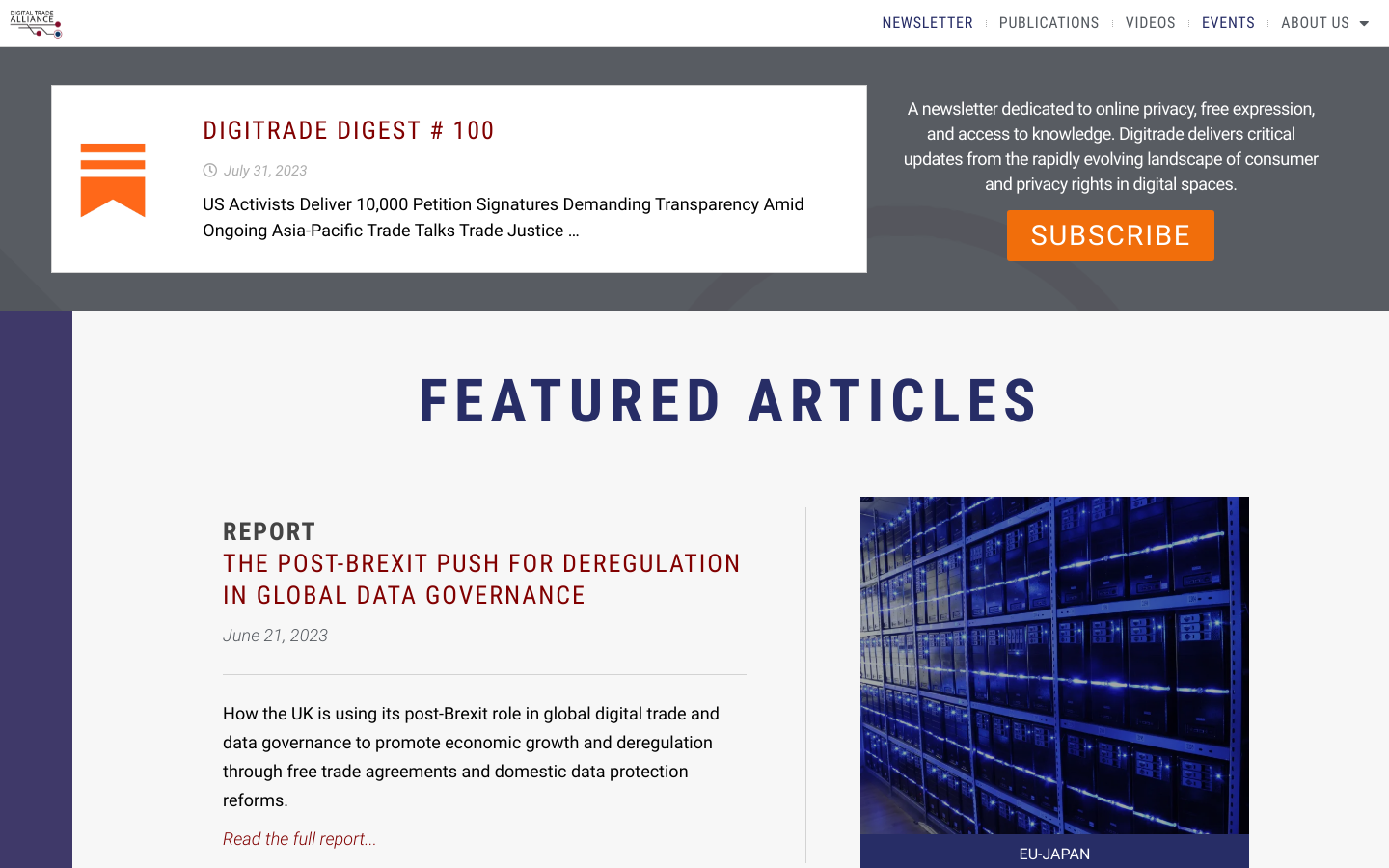
The Digital Trade Alliance is a collaborative effort of digital rights and consumer groups assembled in 2018. The Alliance model provides effective advice and expertise to us in order to structure the transnational debate on digital trade.
Bookshare makes reading easier. People with dyslexia, blindness, cerebral palsy, and other reading barriers can customize their experience to suit their learning style and find virtually any book they need for school, work, or the joy of reading.
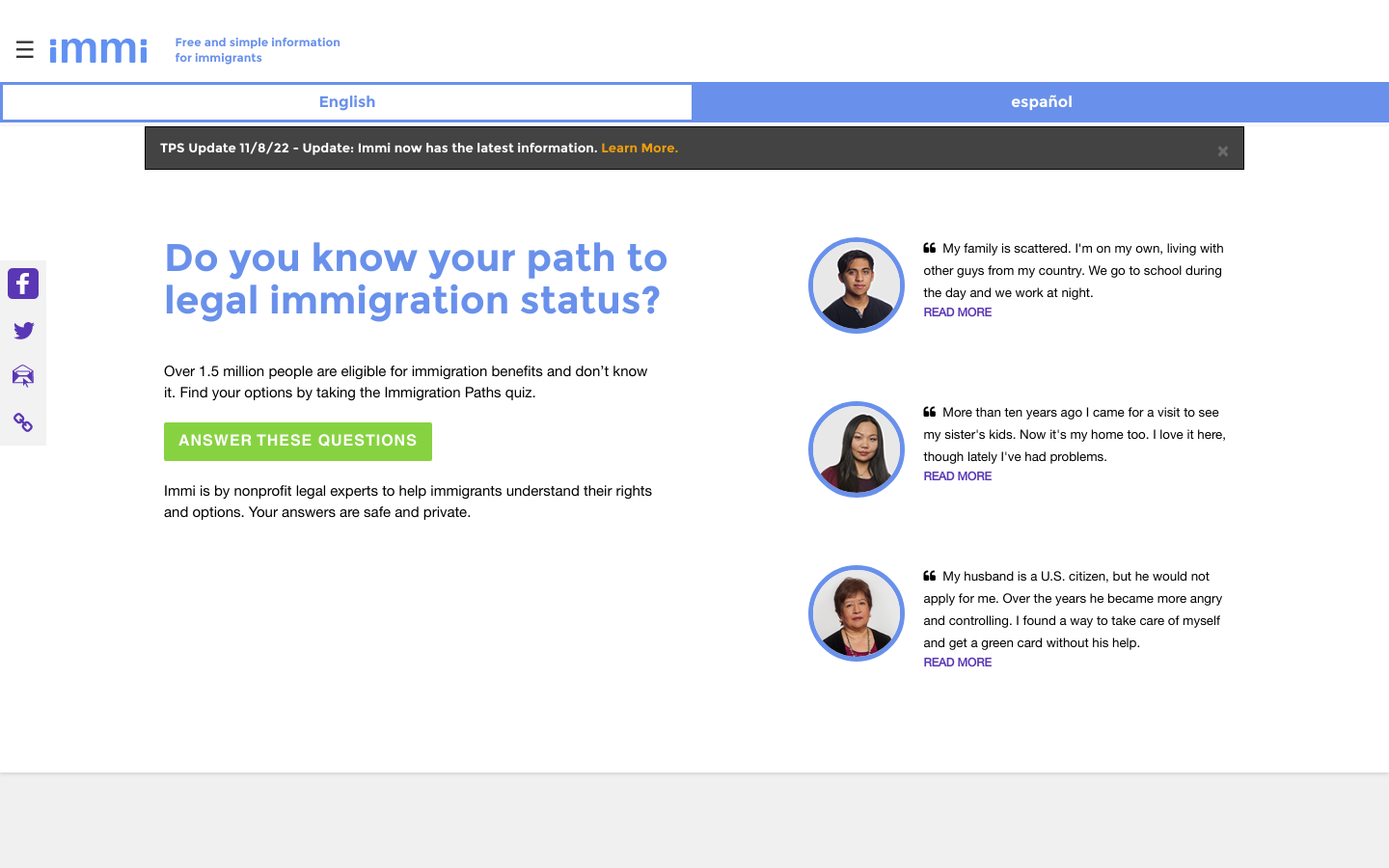
Immi helps immigrants understand their rights and options during the immigration process. The website’s guided process helps users determine their path to legal immigration, and offers a list of organisations and self-help resources.
A commitment to make digital technologies work for, not against, democracy and human rights. It underlines the joint responsibility of governments, multilateral organizations, civil society, and technology companies to develop and use digital technologies to the benefit of democracy and human rights.