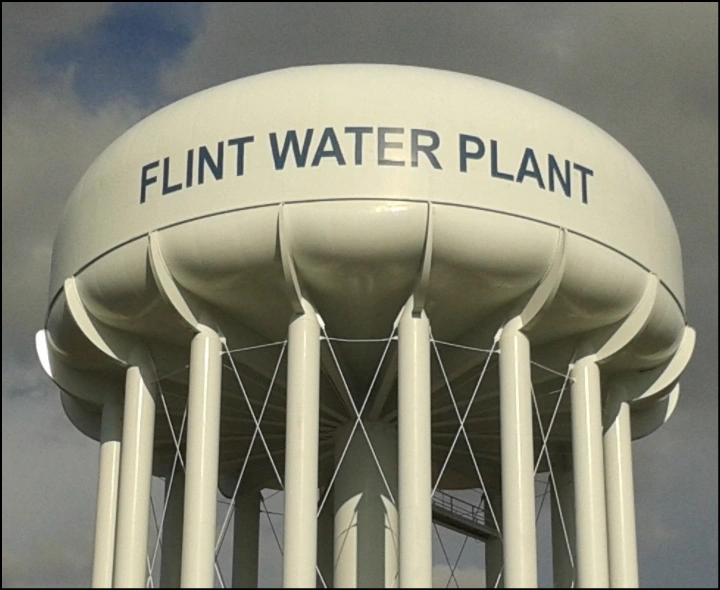
This training offers firsthand insight into the Flint Water Crisis—translating its failures into actionable, experience-based instruction to help regulators and public water system operators strengthen drinking water safety, public health protections, and infrastructure resilience.
**Description:**
The [Flint Drinking Water Training](https://ephillc.com/flint-drinking-water-training/) (FDWT)[ ](https://ephillc.com/flint-drinking-water-training/)is a specialized **online capacity-building training program** for **federal and state governments**, local governments, public water systems, and regulatory professionals. Developed and led by **Anthony Ross**, former EPA Flint Emergency Coordinator and founder of **[Environmental & Public Health International](https://ephillc.com/)**, this training offers firsthand insight into the Flint Water Crisis—translating its failures into actionable, experience-based instruction to help **regulators and public water system operators** strengthen drinking water safety, public health protections, and [infrastructure resilience](https://ephillc.com/lead-service-line-replacements/).
FDWT helps participants detect early-warning signs of problems, reinforce Safe Drinking Water Act (SDWA) compliance, and implement safeguards that protect public health. While this is a paid training, it is tailored for mission-aligned institutions and agencies committed to proactive, practical leadership in public water system management—incorporating lessons learned from the Flint Water Crisis.
Attendance is intentionally limited to ensure a highly engaging and interactive learning experience.
**Key Features:**
- Led by Anthony Ross, EPA’s Flint Emergency Coordinator during the water crisis
- Emphasizes real-world strategies to prevent systemic public water system failures
- Covers lead contamination, corrosion control, public water system governance, and regulatory response
- Discusses the Legionnaires’ Disease outbreak and its implications
- Encourages community-centered, prevention-first approaches to drinking water safety
- Aligns with federal goals to improve drinking water quality and long-term infrastructure investment
- Delivered fully online with live instruction and opportunities for engagement
**What You Will Learn:**
- How to recognize the failure points that triggered the Flint Water Crisis
- How to detect early-warning signs of problems before they escalate
- How to strengthen system resilience and prevent public health emergencies
- How to improve coordination across government agencies
- How to apply Flint-informed insights to strengthen day-to-day operations
**Ideal Participants:**
- Safe Drinking Water Act (SDWA) regulators and program staff
- Public Water System operators and technical specialists
- Local, state, and federal government officials
- Emergency managers and infrastructure planners
- Environmental and public health professionals
**Related Materials:**
- _[Flint Water Crisis: Lessons Learned](https://ephillc.com/flint-water-crisis-lessons-training/)_[ Training Brochure](https://ephillc.com/flint-water-crisis-lessons-training/)
- _[Flint Water Crisis: From Crisis to Recovery](https://ephillc.com/flint-water-crisis-recovery-training/)_[ Training Brochure](https://ephillc.com/flint-water-crisis-recovery-training/)
- [Lead Service Line Replacement Cost Calculator (LSLRCC)](https://ephillc.com/lead-service-line-replacement-cost-calculator/)
The International Telecommunication Union (ITU)-led multi-stakeholder initiative on Open-Source Generative AI for Public Services aims to develop an end-to-end, open-source implementation framework that enables public sector stakeholders to easily build and deploy their own GenAI solutions using modular, open-source software blueprints.
Five in-house teams of product managers, designers, engineers, researchers and data experts are being stood up and embedded directly with agencies to build digital tools.
New York City Hall, City Hall Park, New York, NY, USA
Parliamentary Network Africa (PNAfrica) is a convenor and connector of civil society parliamentary monitoring organizations and journalists towards promoting Open Parliaments across Africa.
GE185-7537 BOHYE ROAD (ECOWAS HIGHWAY), NEW ASHONGMAN ESTATE, ACCRA GHANA