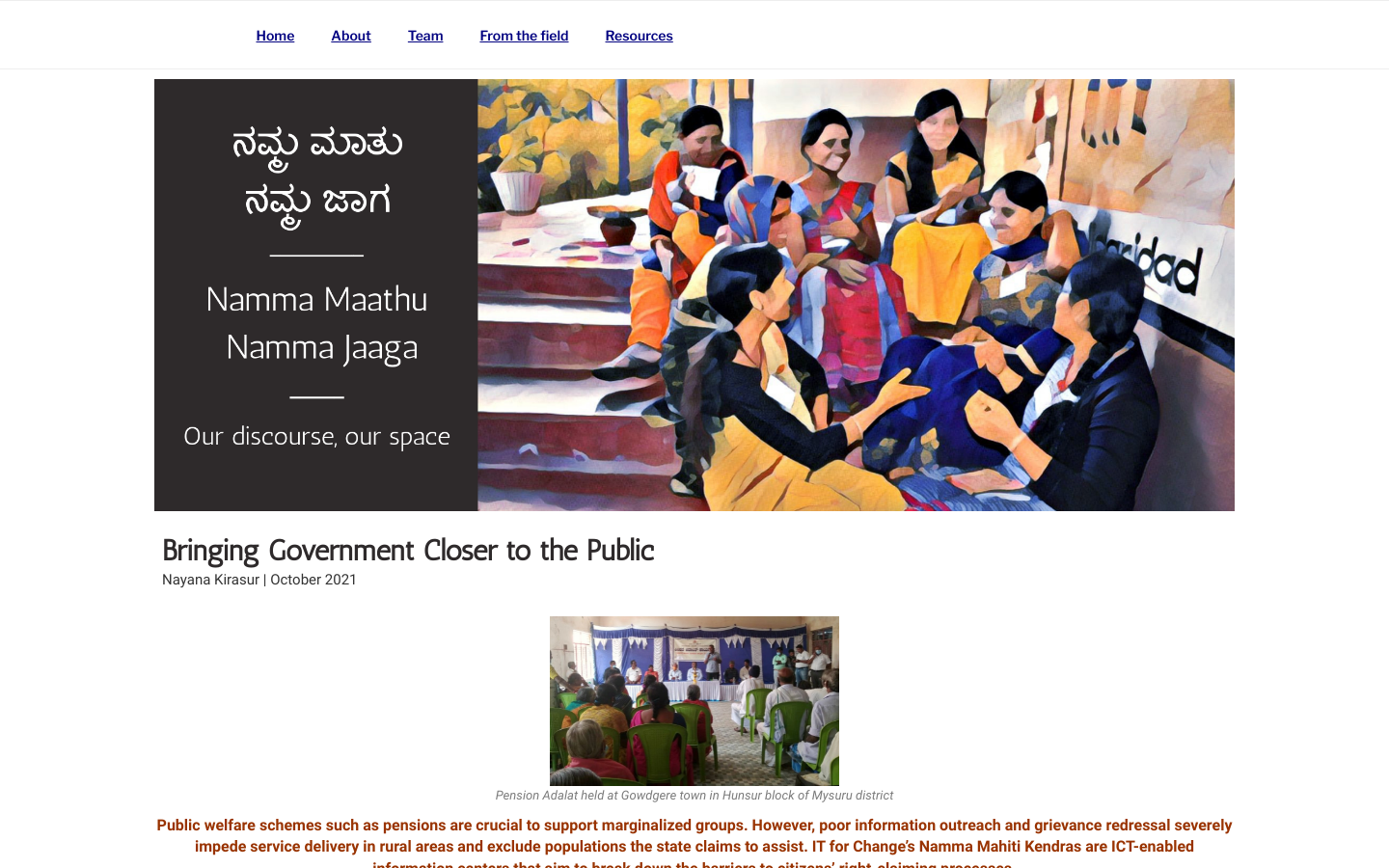
Namma Mahiti Kendras
IT for Change’s Namma Mahiti Kendras are ICT-enabled information centers that aim to break down the barriers to citizens’ right-claiming processes.
Bangalore
place-based

Free, open-source platform that gives homeless outreach workers real-time shelter bed availability and lets them hold a bed in three taps.
Includes a zero-PII referral design for domestic violence shelters. Built for communities that can't afford commercial software. Finding A Bed Tonight began in February 2026, built during a period of unemployment by a software engineer in rural North Carolina who couldn't find a free, open-source platform solving a specific problem: outreach workers spending critical minutes, sometimes hours, on phone calls to find an available shelter bed for someone ready to accept help. It's built for coordinators and outreach workers in communities that can't afford commercial shelter software and shouldn't have to. A December 2024 audit by the LA City Controller found 1 in 4 city-funded shelter beds went unused while thousands waited. This was not because beds didn't exist, but because providers had no reliable way to know which beds were available. FABT addresses that gap directly. The platform provides real-time shelter bed availability, lets outreach workers hold a bed in three taps, and includes a zero-PII referral architecture for domestic violence shelters. The system stores no client name or address. FABT is designed around VAWA and FVPSA privacy principles. It works offline, queuing holds automatically and replaying when connectivity returns. It is free to use, free to host, Apache 2.0 licensed, and live at findabed.org. The platform is currently seeking its first pilot community in North Carolina. People can help by deploying it in their community, contributing to the codebase at github.com/ccradle/finding-a-bed-tonight, or connecting the project with homeless services coordinators, CoC administrators, or researchers working in shelter system data.
Corey Cradle
IT for Change’s Namma Mahiti Kendras are ICT-enabled information centers that aim to break down the barriers to citizens’ right-claiming processes.
Crisis Text Line is the free, 24/7, confidential text message service for people in crisis. Text HOME to 741741 in the United States.
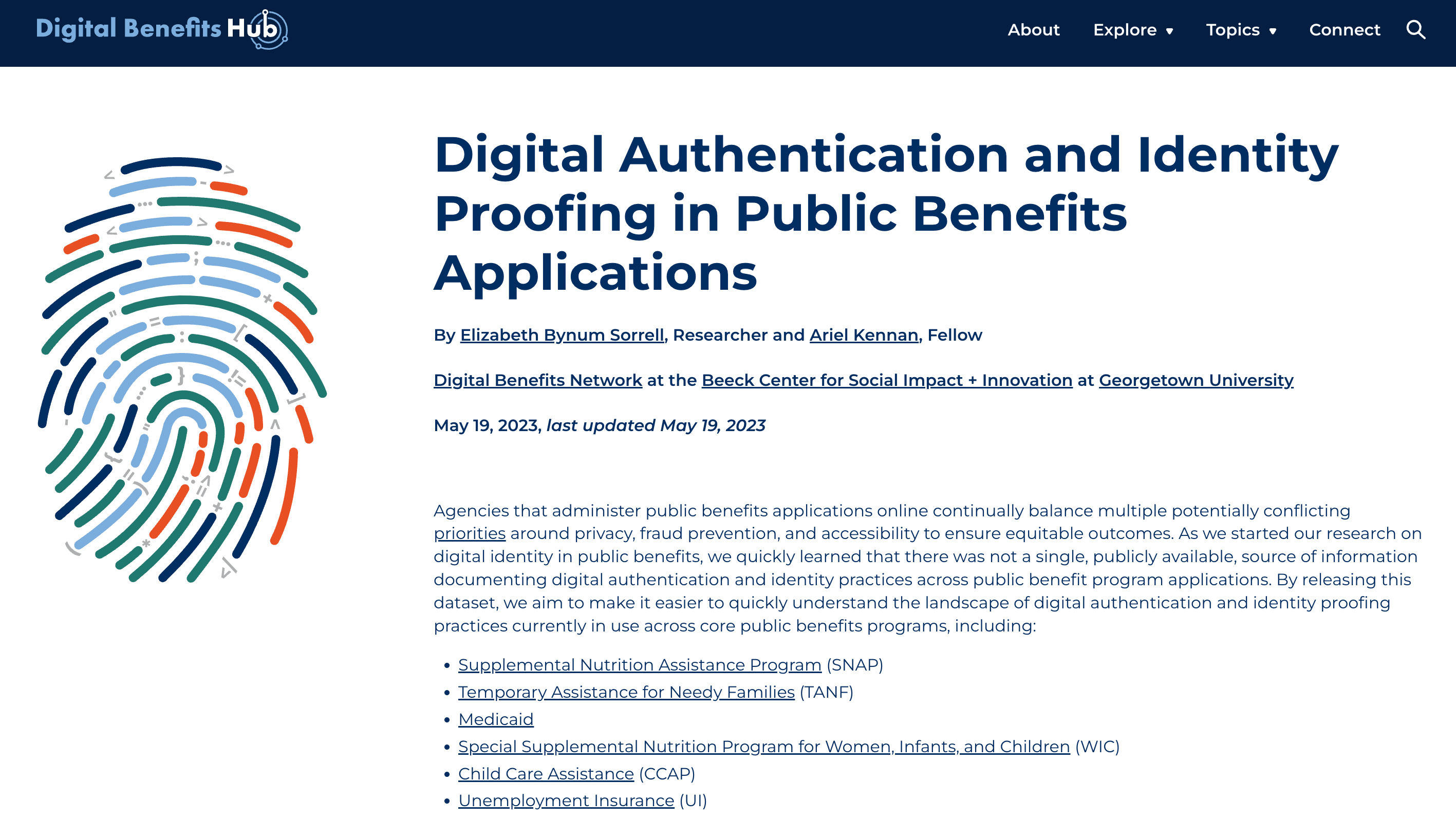
Created and published by the Digital Benefits Network, this open dataset and analysis documents identity proofing and authentication practices in online public benefits applications across the US, contributing to field-wide understanding about the digital identity landscape in public benefits, an important issue for equitable benefits access.
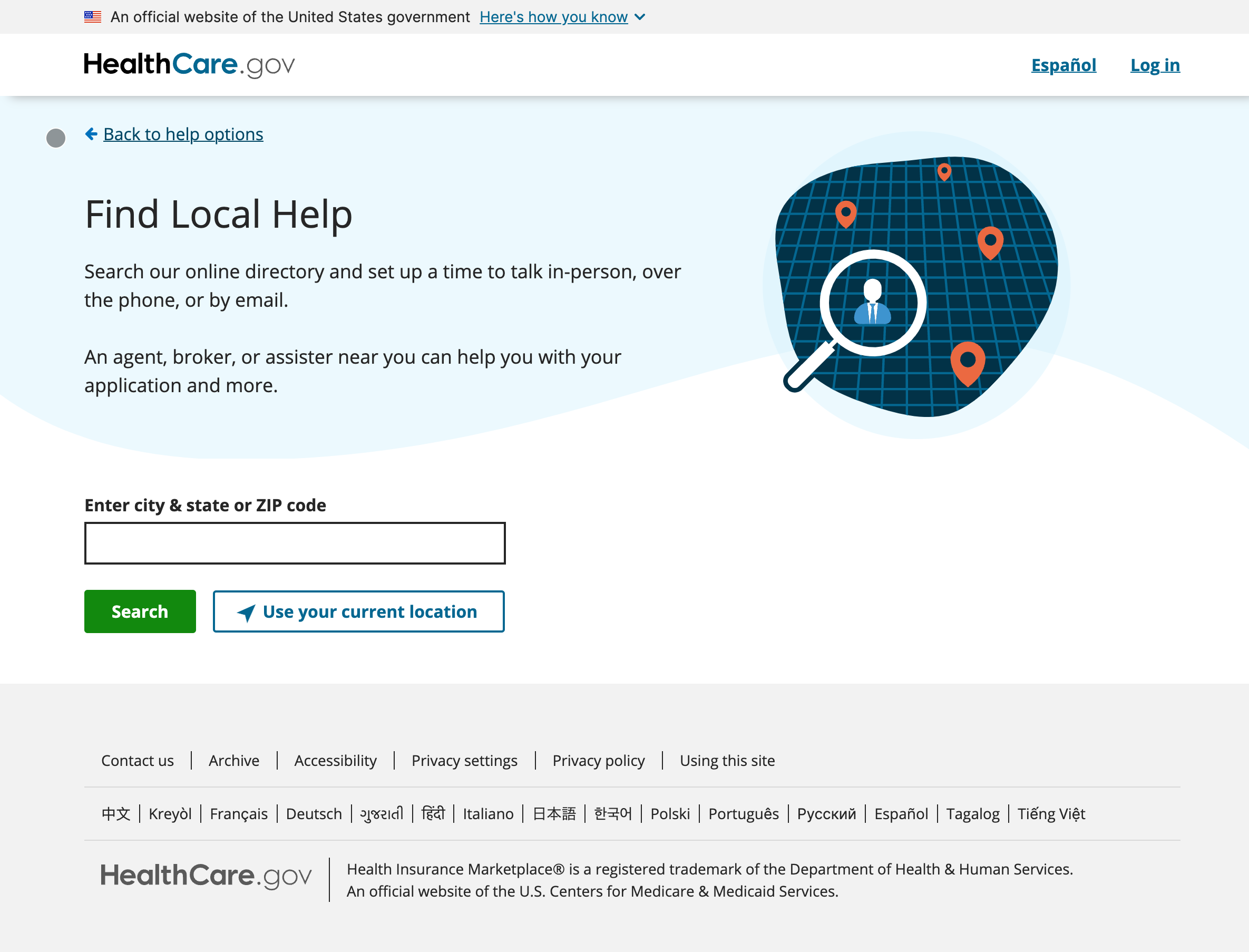
"Find Local Help is a tool from CMS, which runs HealthCare.gov, that connects people to in-person, one-on-one help signing up for health insurance. Users can enter their location and get a list of local experts who can help them complete the process for free." - Ad Hoc
