Algorithmic Transparency Institute
The Algorithmic Transparency Institute builds technology, gathers data, and generates insights to support research, journalism, and advocacy organizations.
Washington, DC

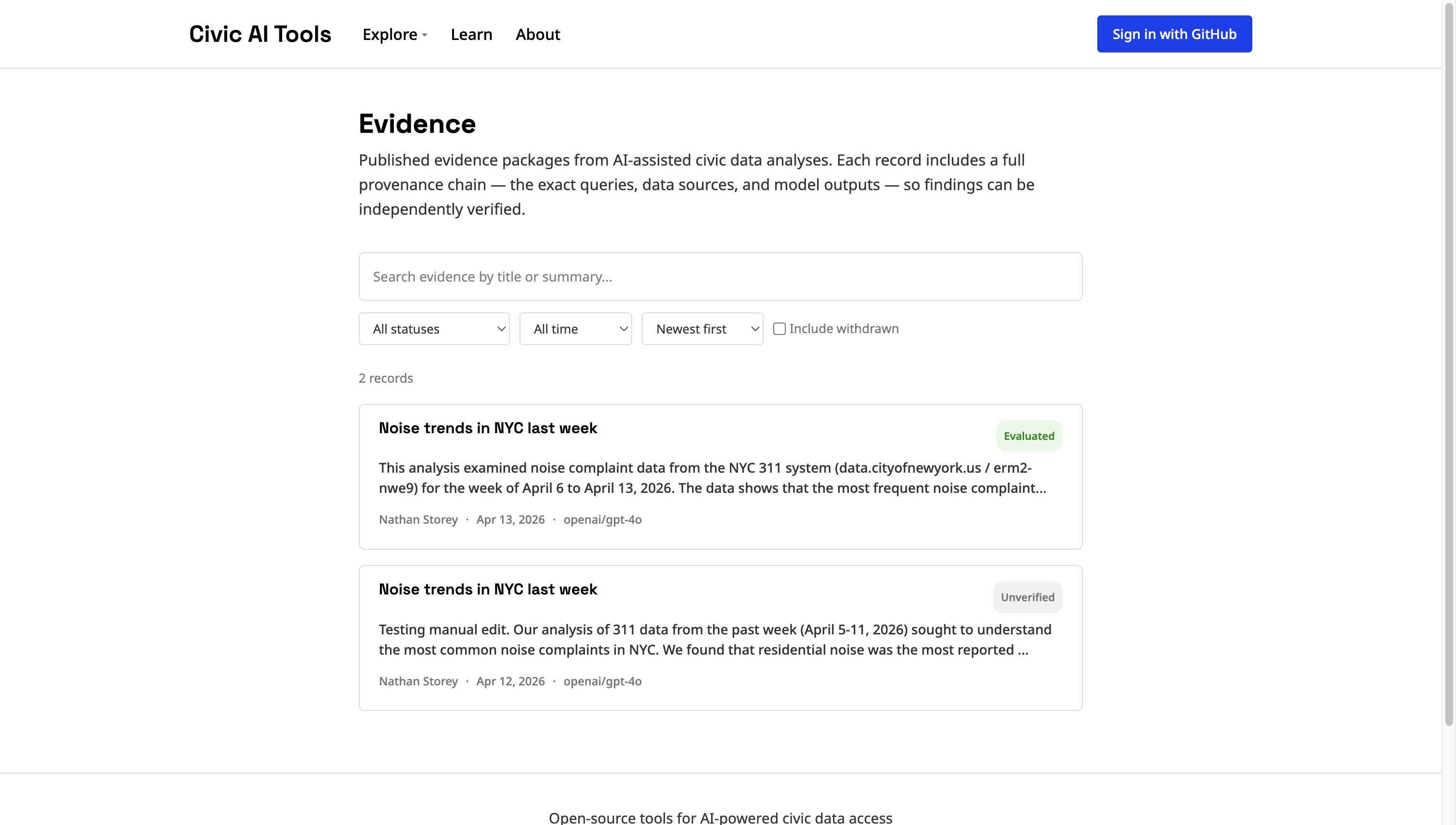
What if every AI analysis of public data came with a verifiable evidence record?
When you run an analysis of government open data, you can now publish it as a citable evidence package at a stable URL. Each package includes a full provenance chain including the exact prompt, which model ran, the data queries that were executed, and the source portal so anyone can trace how a conclusion was reached. The evidence page also includes a downloadable provenance graph in PROV-O, a W3C standard for representing how data was derived. This means the record isn't locked into one platform - it's structured, portable, and machine-readable. There's also an adversarial evaluation feature. Anyone can bring their own API key and have an independent LLM evaluate the analysis against a 6-criterion rubric covering data accuracy, bias detection, and methodological rigor. The evaluation gets attached to the evidence record as an attestation. One design choice I'm especially interested in feedback on: prompt visibility. You can publish the full text of your question (full transparency) or just a cryptographic hash (verifiable but private). A researcher replicating a study needs to see everything. A journalist investigating housing data might not want to reveal their angle. Same tool, both needs. This builds on the Civic AI Tools MCP server, which connects AI assistants to 559+ Socrata-based government open data portals (hoping to add CKAN and others soon!). The analysis layer was already working. This adds a trust layer on top of it so findings can be cited, challenged, and verified.
The Algorithmic Transparency Institute builds technology, gathers data, and generates insights to support research, journalism, and advocacy organizations.
A framework to assess automated decision systems and to ensure public accountability
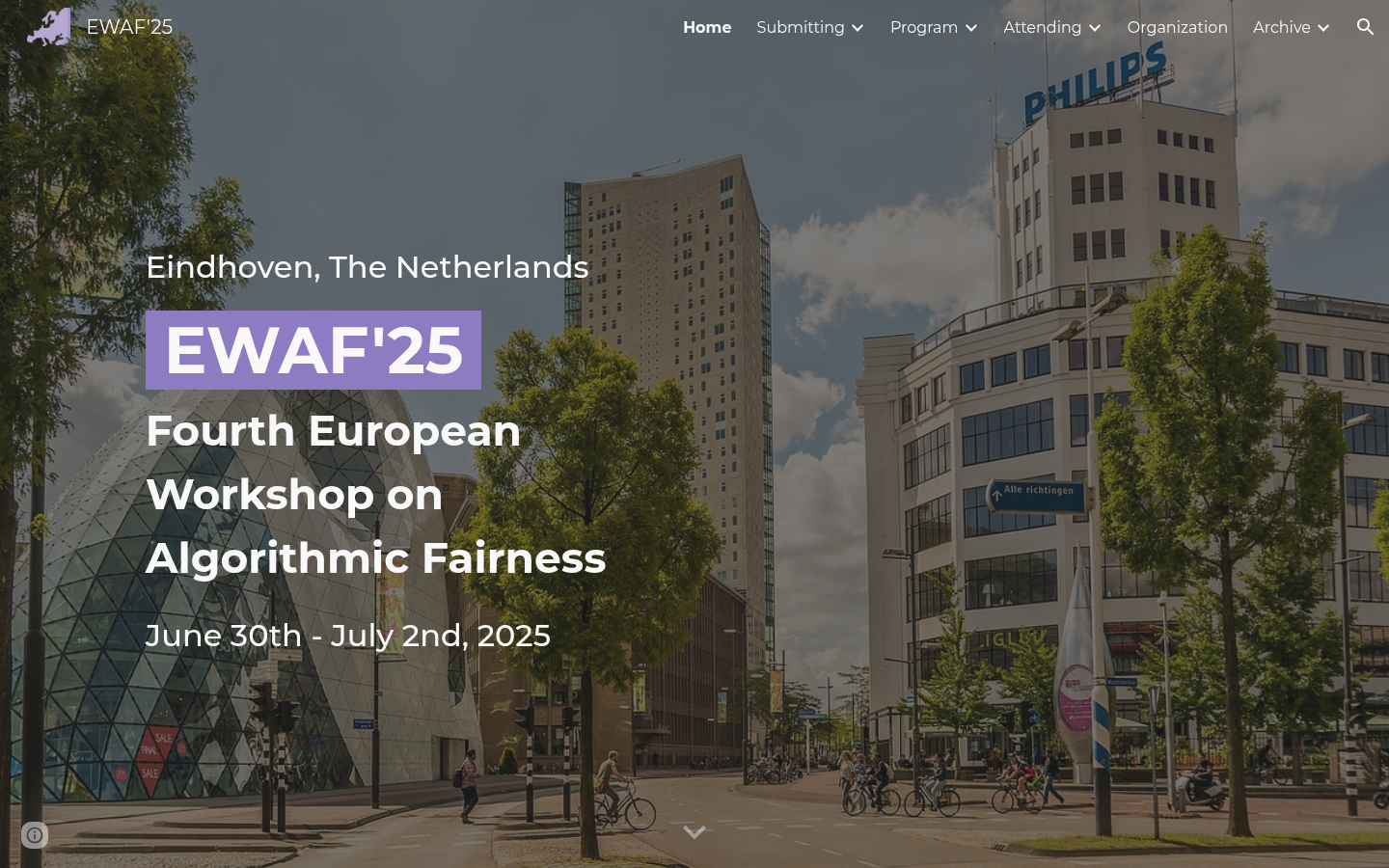
A 3-day interdisciplinary workshop bringing together researchers in algorithmic fairness.