The Democratic Principles for an Open Internet have been primarily designed for citizens and civil society organizations in fragile and emerging democracies, who are new to the digital rights space, are beginning to engage more regularly online, and who may be more likely to encounter deliberate internet disruptions as a result of government interference.
These principles are a grassroots effort to adapt the Internet Rights & Principles Coalition's 10 Internet Rights and Principles from a democratic lens to empower and improve the digital rights literacy of activists and civil society organizations in the Global South.
We hope this guide will help activists working for democracy in an internet age and connect them in global peer networks to exchange best practices. The guide also serves as an advocacy tool that organizations can utilize in pushing governments, the private sector, and civil society to adhere to universal human rights through open internet principles and standards.
The Digital Trade Alliance is a collaborative effort of digital rights and consumer groups assembled in 2018. The Alliance model provides effective advice and expertise to us in order to structure the transnational debate on digital trade.
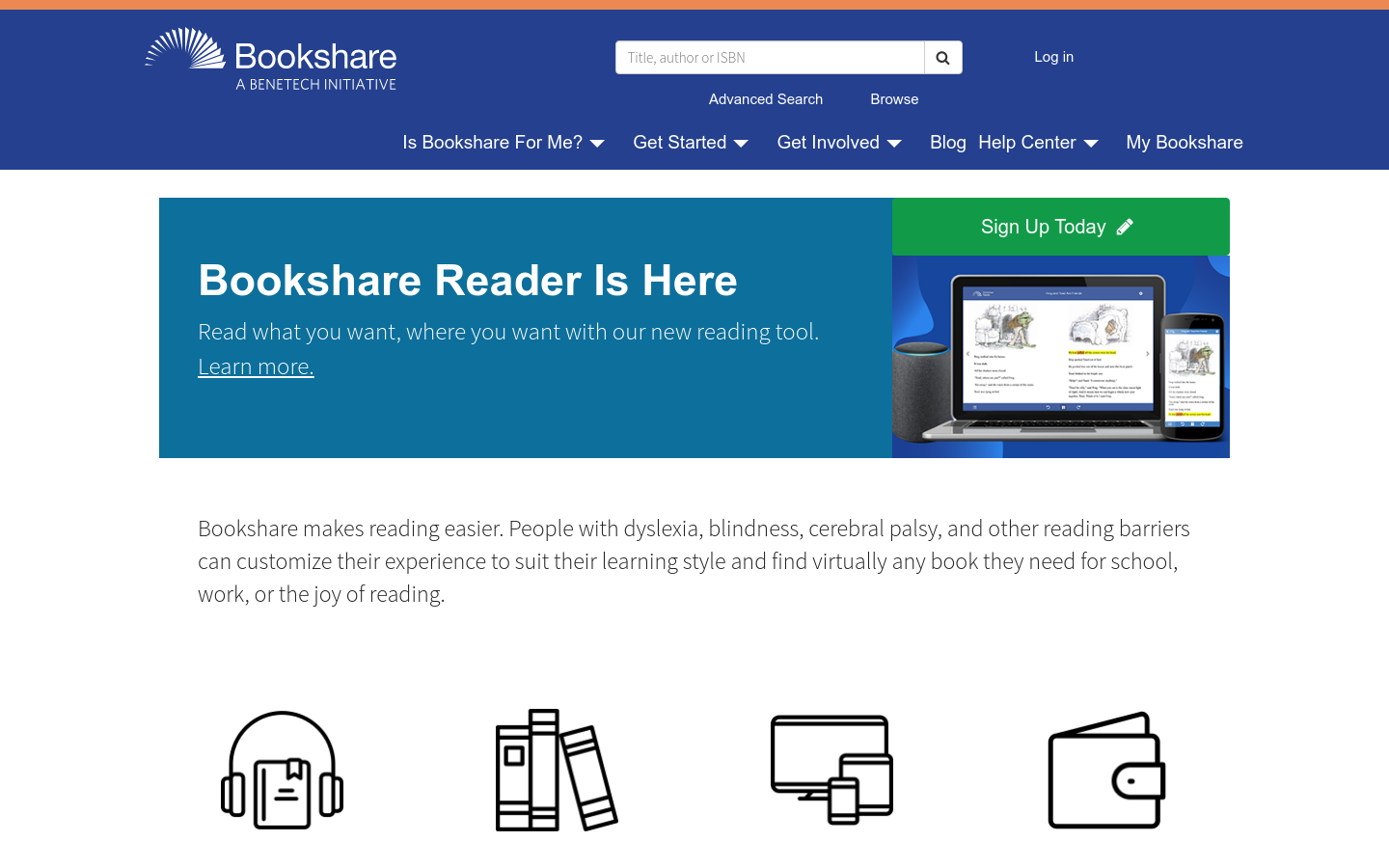
Bookshare makes reading easier. People with dyslexia, blindness, cerebral palsy, and other reading barriers can customize their experience to suit their learning style and find virtually any book they need for school, work, or the joy of reading.
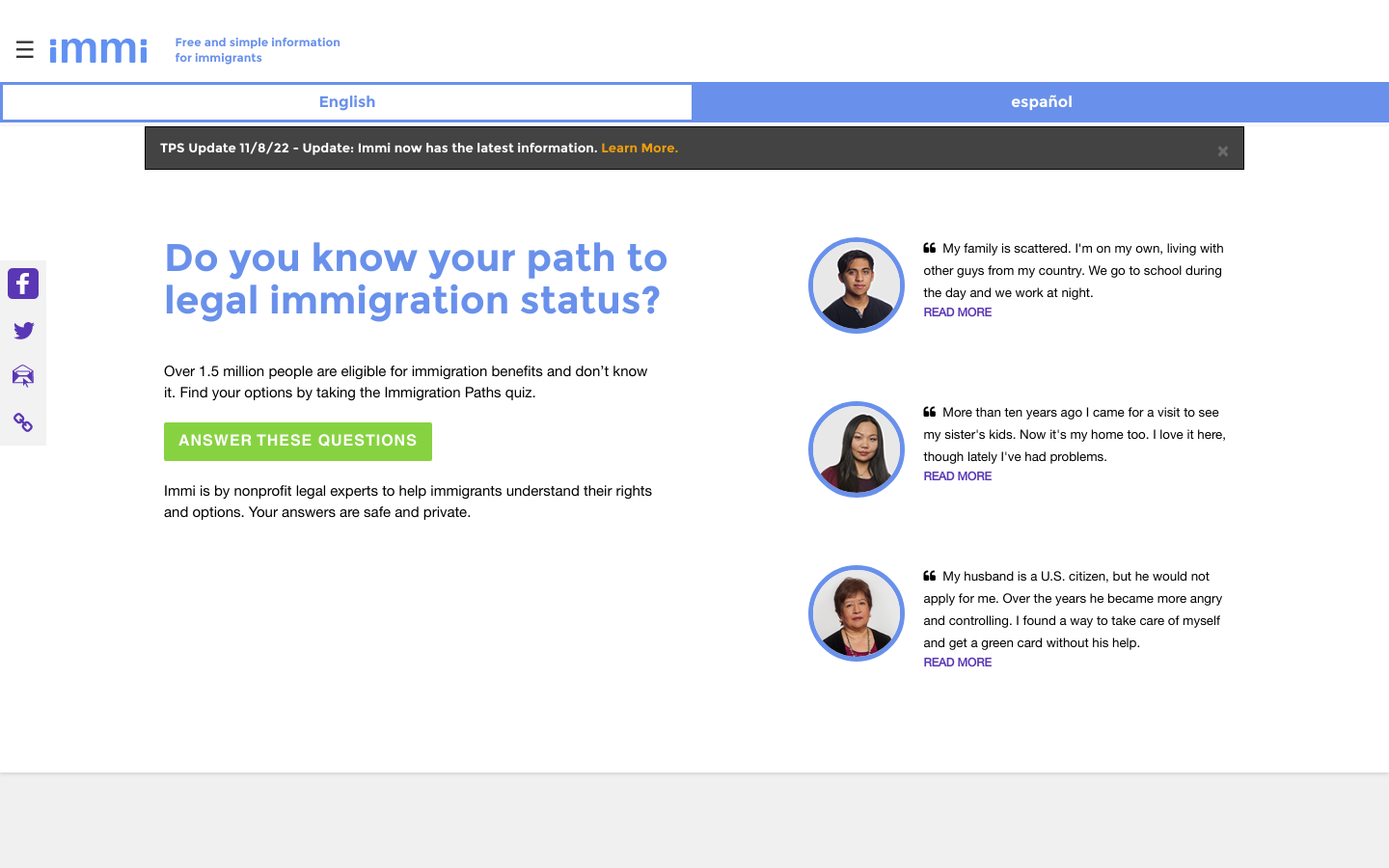
Immi helps immigrants understand their rights and options during the immigration process. The website’s guided process helps users determine their path to legal immigration, and offers a list of organisations and self-help resources.
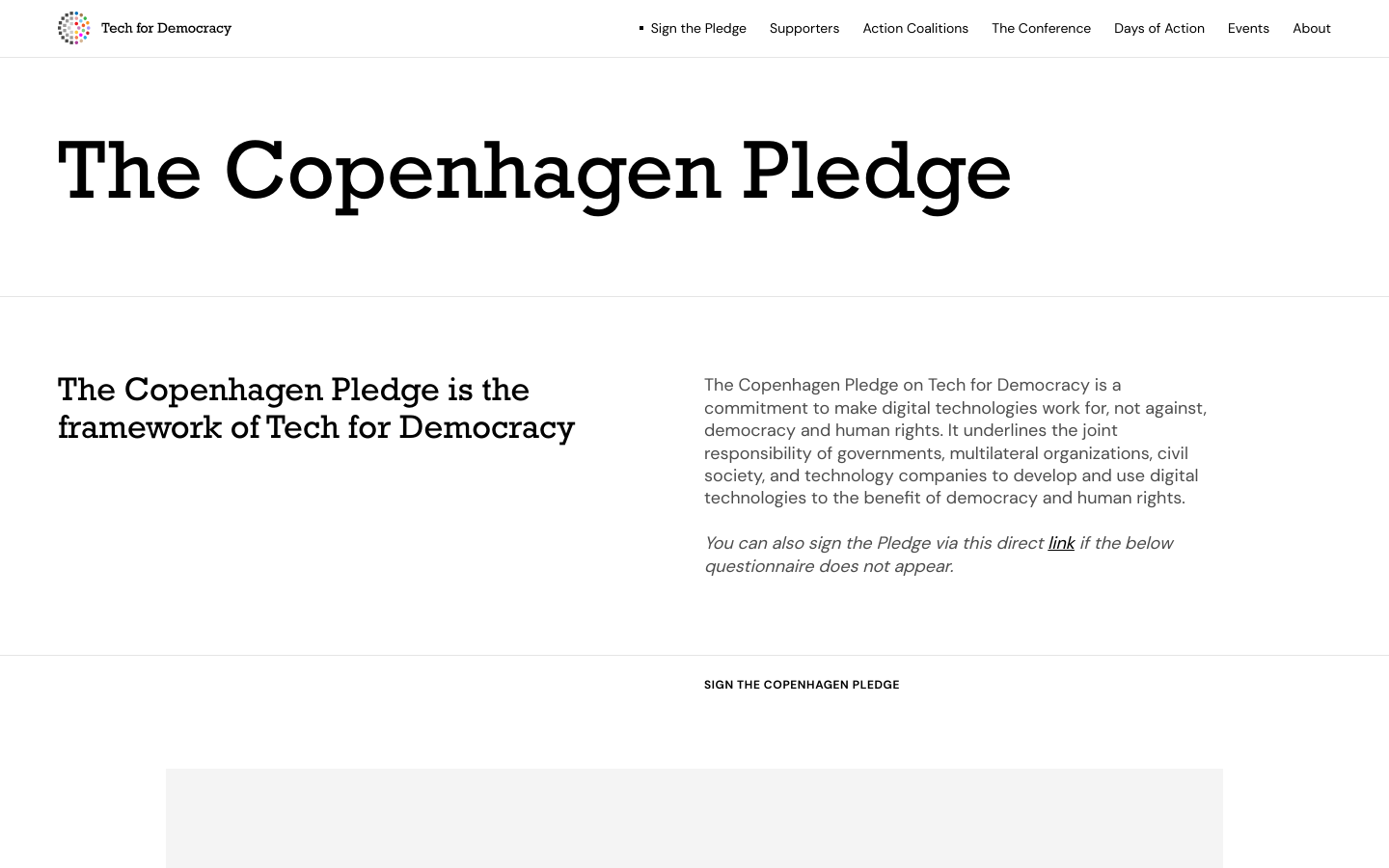
A commitment to make digital technologies work for, not against, democracy and human rights. It underlines the joint responsibility of governments, multilateral organizations, civil society, and technology companies to develop and use digital technologies to the benefit of democracy and human rights.