SSRC Media Well
Disinformation, misinformation, and “fake news” are longstanding phenomena that, in the wake of the digital revolution, have become newly politicized and consequential. SSRC's research on the topic.
Brooklyn, NY

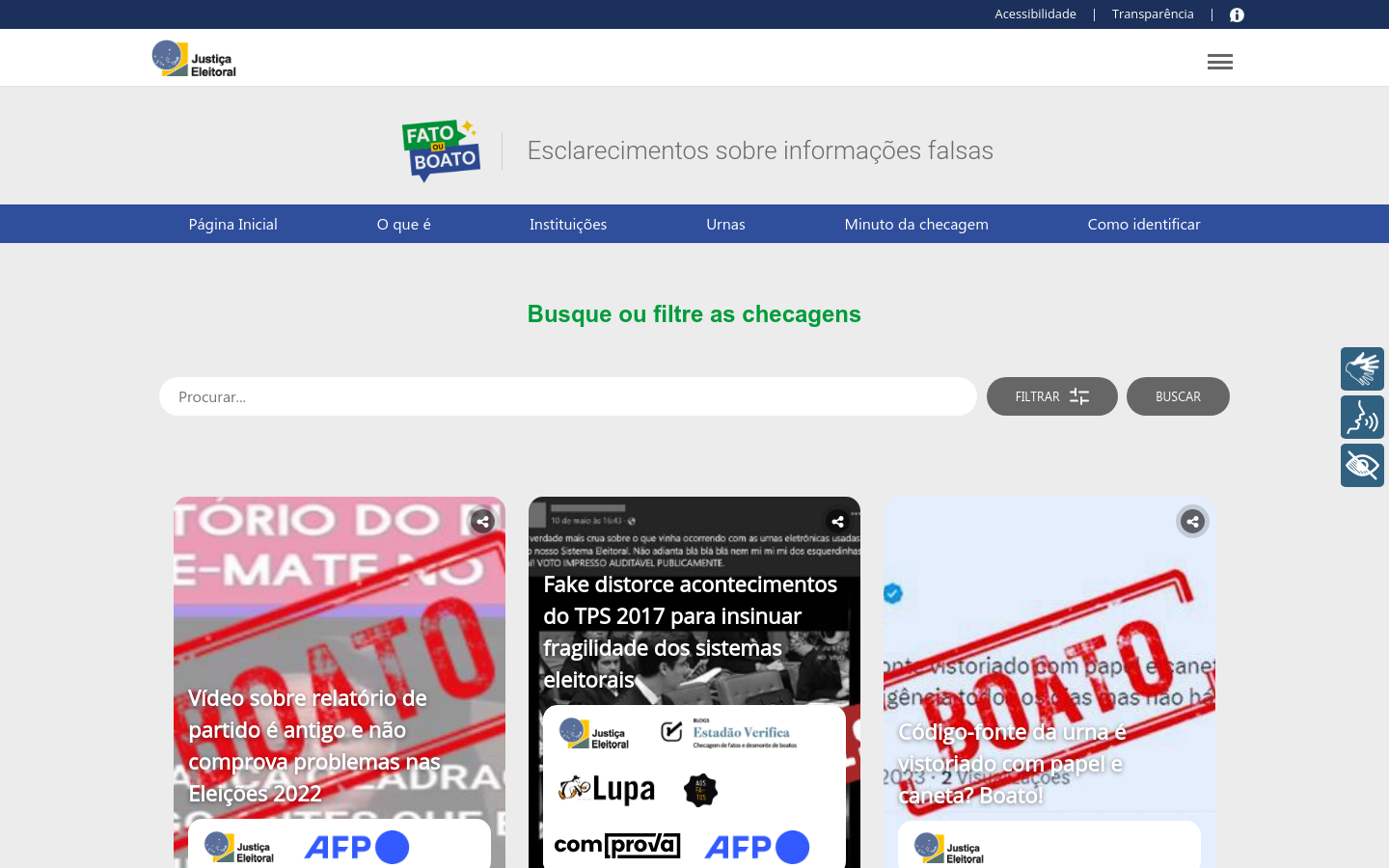
TSE coordinated a fact-checking coalition, comprising nine renowned fact-checking organizations from the media, named “Coalizão para Checagem – Eleições 2020” (Fact-Checking Coalition – 2020 Elections).
The Coalition’s purpose was to verify the factual accuracy of information, news, and stories targeting the electoral process. It encompassed the work of around 100 individuals, including journalists from the fact-checking agencies and officers from the Superior Electoral Court and the 27 state-level EMBs (Regional Electoral Courts). The creation of a WhatsApp group allowed for the rapid and effective communication between agencies and members of the EMB. TSE designed a webpage (“Fato ou Boato”, that is, Fact or Rumor) that collected all the outputs from the Coalition. All information could be assessed by voters with “zero rating” of mobile data, due to TSE’s partnership with mobile carriers and telecom companies. The “Fato ou Boato” page recorded more than 300,000 hits during the 2020 electoral period.
Disinformation, misinformation, and “fake news” are longstanding phenomena that, in the wake of the digital revolution, have become newly politicized and consequential. SSRC's research on the topic.
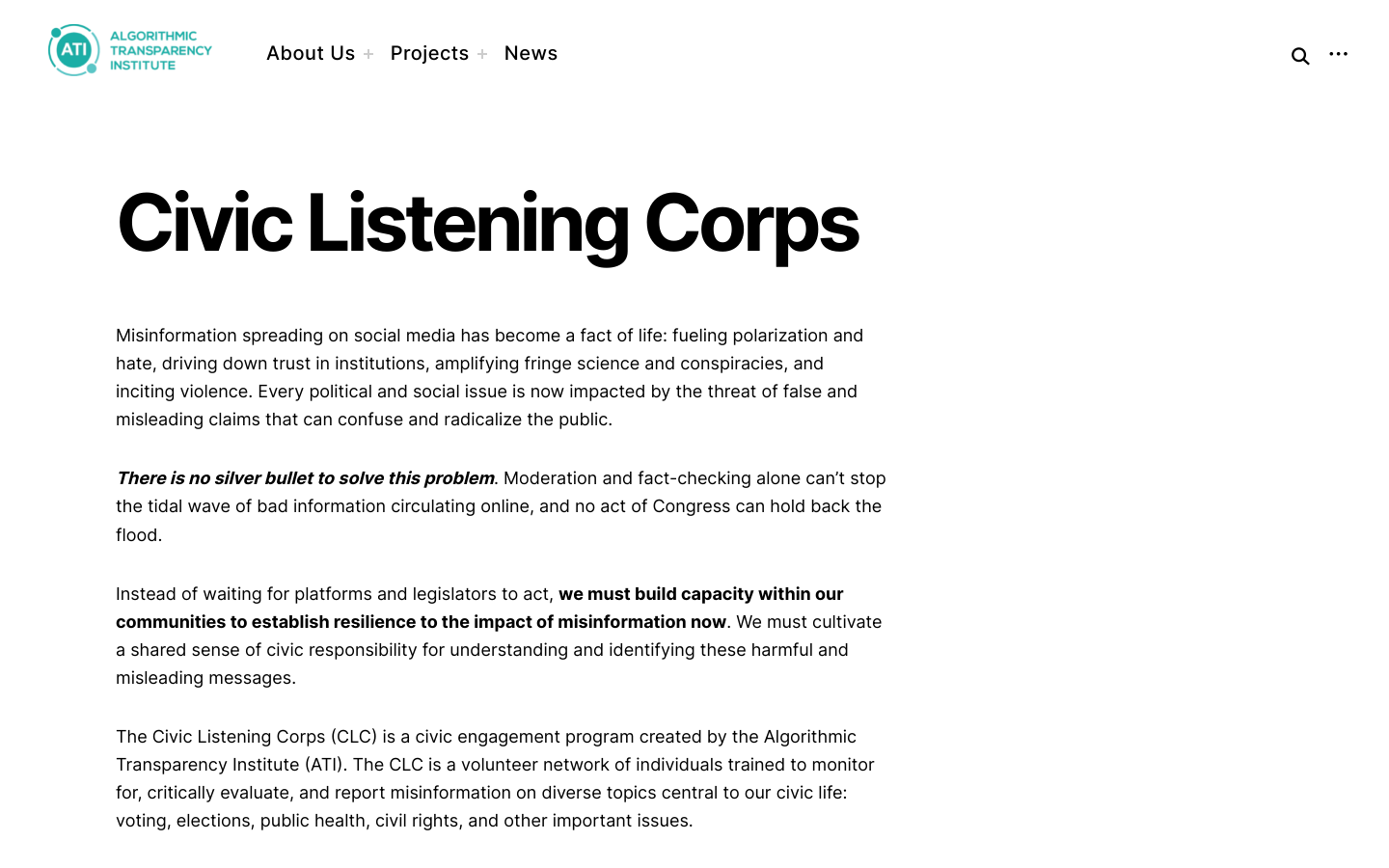
The CLC is a volunteer network of individuals trained to monitor for, critically evaluate, and report misinformation on diverse topics central to our civic life: voting, elections, public health, civil rights, and other important issues.

A collection of easy to use resources for identifying misinformation and its psychological tricks
For this first phase of our program, WhatsApp is commissioning a competitive set of awards to researchers interested in exploring issues that are related to misinformation on WhatsApp.